
-
Read 894
-
0
-
Part 44
Completed, First published Mar 02, 2026
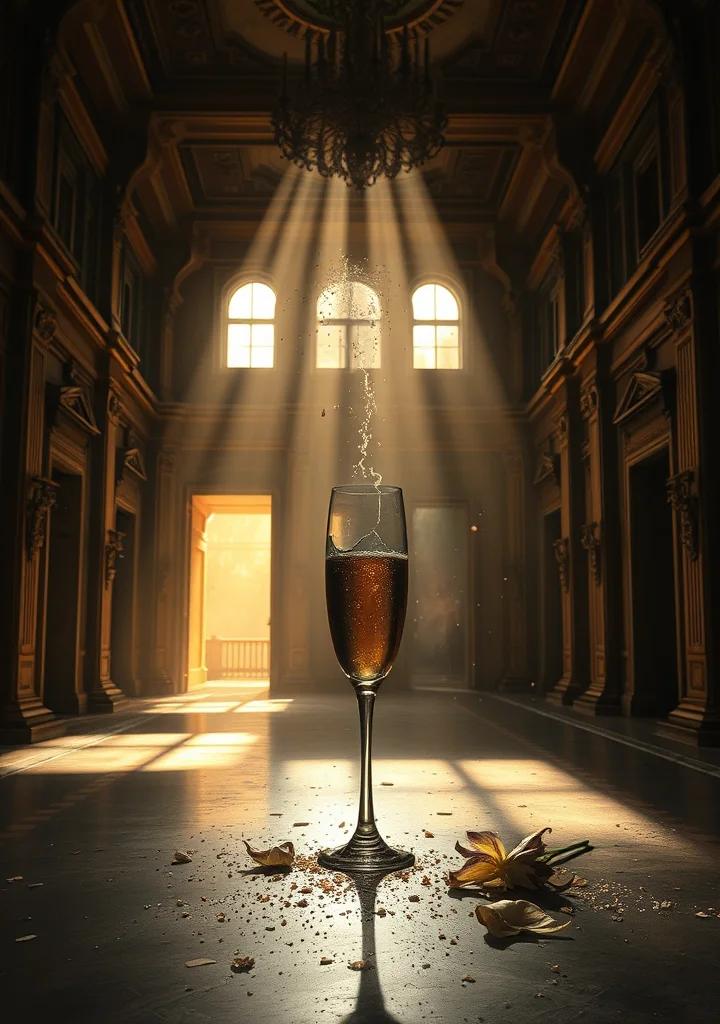
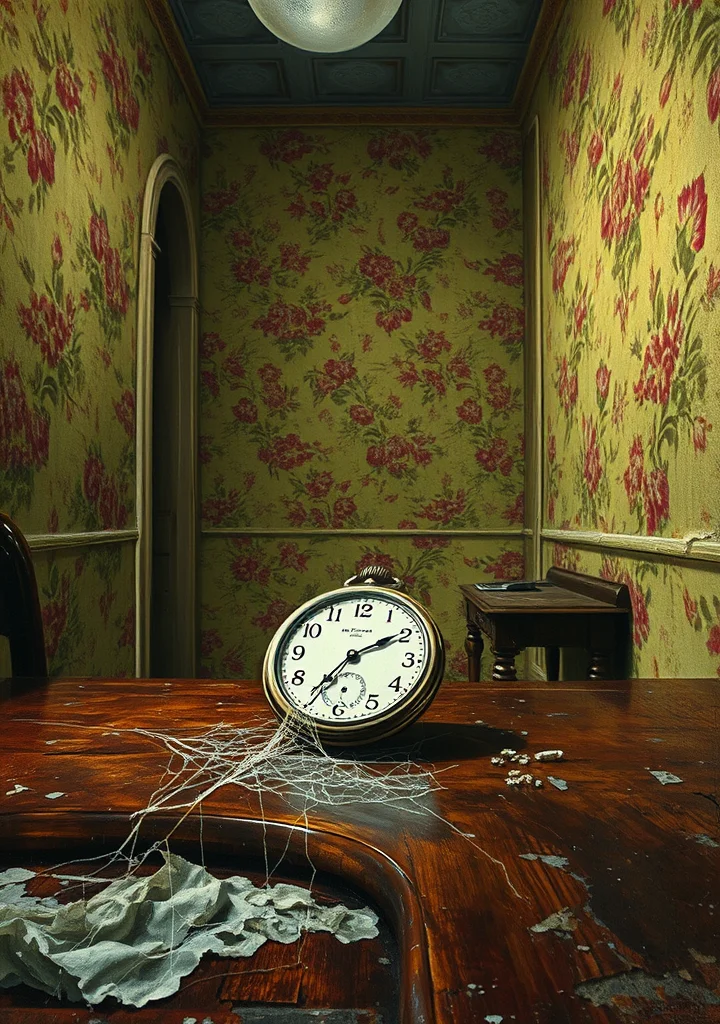
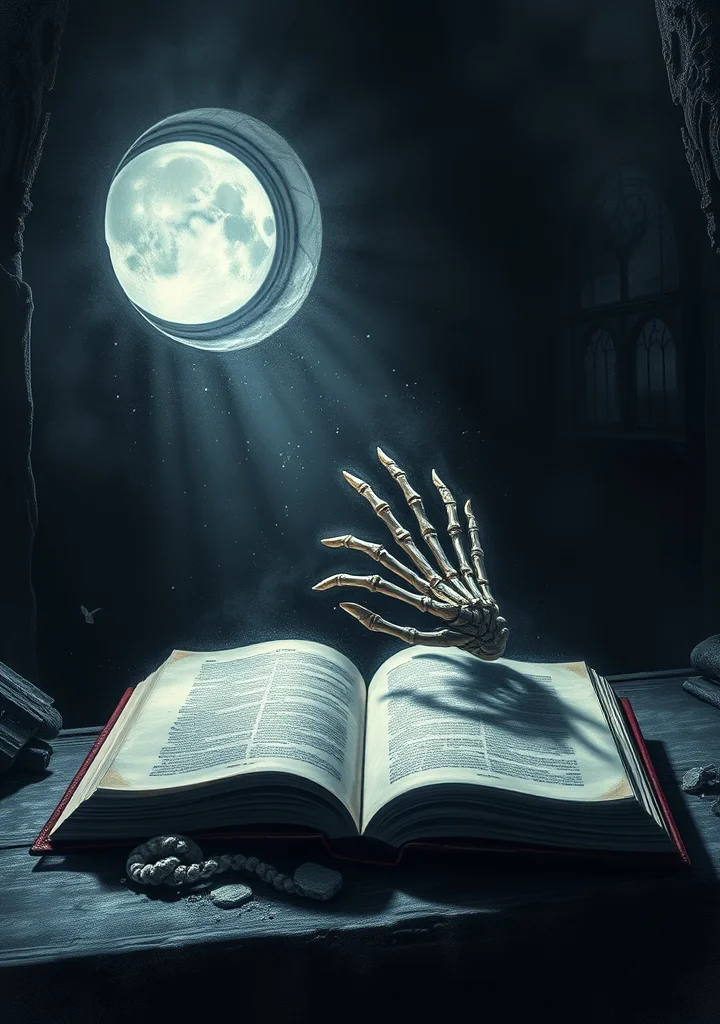
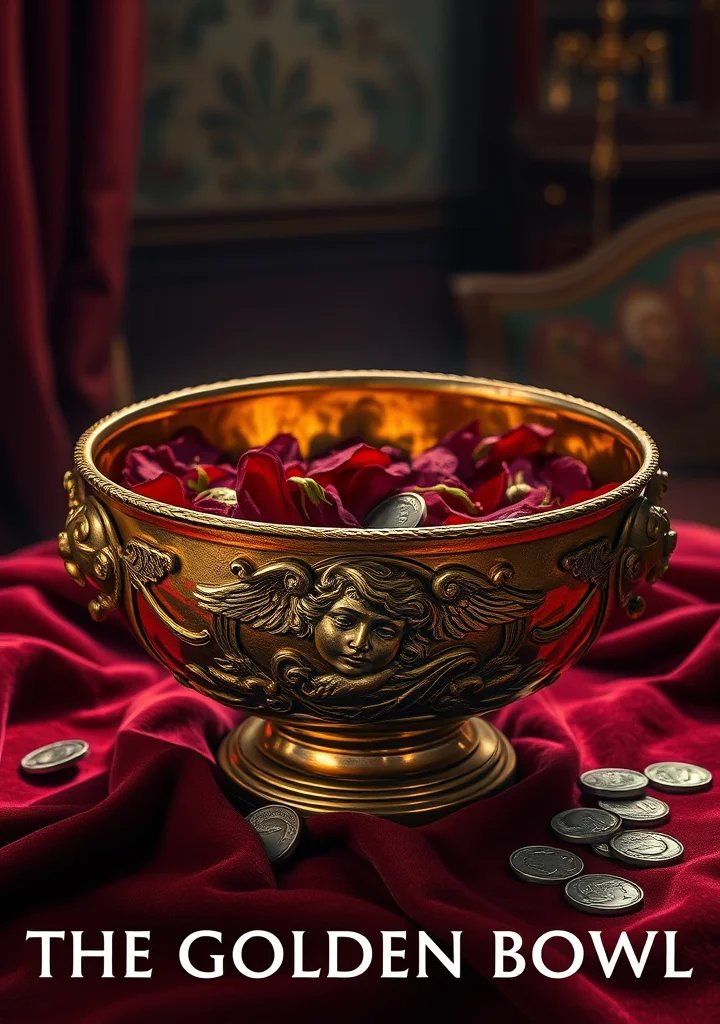
A creeping dread clings to the polished surfaces of this narrative, a chill seeping from the opulent interiors of New York society. The story unfolds not as a rush of events, but as a slow, deliberate poisoning of the soul, mirroring the obsessive gleam of the eponymous bowl. A widow’s haunted possession—a vessel of tarnished faith and fractured devotion—becomes the silent crucible for a husband’s tormented desire.
The air is thick with unspoken anxieties, the weight of inherited wealth, and the suffocating formality of a world built on appearances. Every glance exchanged, every carefully chosen phrase, is laced with a brittle tension that threatens to shatter the fragile composure of the characters. A spectral presence, born of religious fervor and suffocated longing, haunts the periphery, manifesting not in outright horror, but in the suffocating weight of unconfessed truths.
The novel descends into a claustrophobic examination of spiritual decay, a descent into the shadowed corners of conscience where the gilded cage of possession becomes a prison of the spirit. The narrative is less a story told than a fever dream witnessed, a suffocating atmosphere of guilt and obsession slowly tightening its hold, leaving the reader gasping for breath amidst the suffocating beauty of its gilded decay. A darkness blooms within the heart of innocence, and the golden bowl, once a symbol of grace, becomes a vessel for the rot.
Copyright: Public Domain
This license allows anyone to use your story for any purpose, including printing, selling, or adapting it into a film freely.
This license allows anyone to use your story for any purpose, including printing, selling, or adapting it into a film freely.
Chapter List
-
« The Golden Bowl »📖 Continue Reading
-
« The Golden Bowl »
-
« I »
-
« II »
-
« III »
-
« IV »
-
« V »
-
« VI »
-
« VII »
-
« VIII »
-
« IX »
-
« X »
-
« XI »
-
« XII »
-
« XIII »
-
« XIV »
-
« XV »
-
« XVI »
-
« XVII »
-
« XVIII »
-
« XIX »
-
« XX »
-
« XXI »
-
« XXII »
-
« XXIII »
-
« XXIV »
-
« XXV »
-
« XXVI »
-
« XXVII »
-
« XXVIII »
-
« XXIX »
-
« XXX »
-
« XXXI »
-
« XXXII »
-
« XXXIII »
-
« XXXIV »
-
« XXXV »
-
« XXXVI »
-
« XXXVII »
-
« XXXVIII »
-
« XXXIX »
-
« XL »
-
« XLI »
-
« XLII »
44
-
« The Golden Bowl »
-
« The Golden Bowl »
-
« I »
-
« II »
-
« III »
-
« IV »
-
« V »
-
« VI »
-
« VII »
-
« VIII »
-
« IX »
-
« X »
-
« XI »
-
« XII »
-
« XIII »
-
« XIV »
-
« XV »
-
« XVI »
-
« XVII »
-
« XVIII »
-
« XIX »
-
« XX »
-
« XXI »
-
« XXII »
-
« XXIII »
-
« XXIV »
-
« XXV »
-
« XXVI »
-
« XXVII »
-
« XXVIII »
-
« XXIX »
-
« XXX »
-
« XXXI »
-
« XXXII »
-
« XXXIII »
-
« XXXIV »
-
« XXXV »
-
« XXXVI »
-
« XXXVII »
-
« XXXVIII »
-
« XXXIX »
-
« XL »
-
« XLI »
-
« XLII »
More like this