
-
Read 627
-
0
-
Part 40
Completed, First published Mar 02, 2026
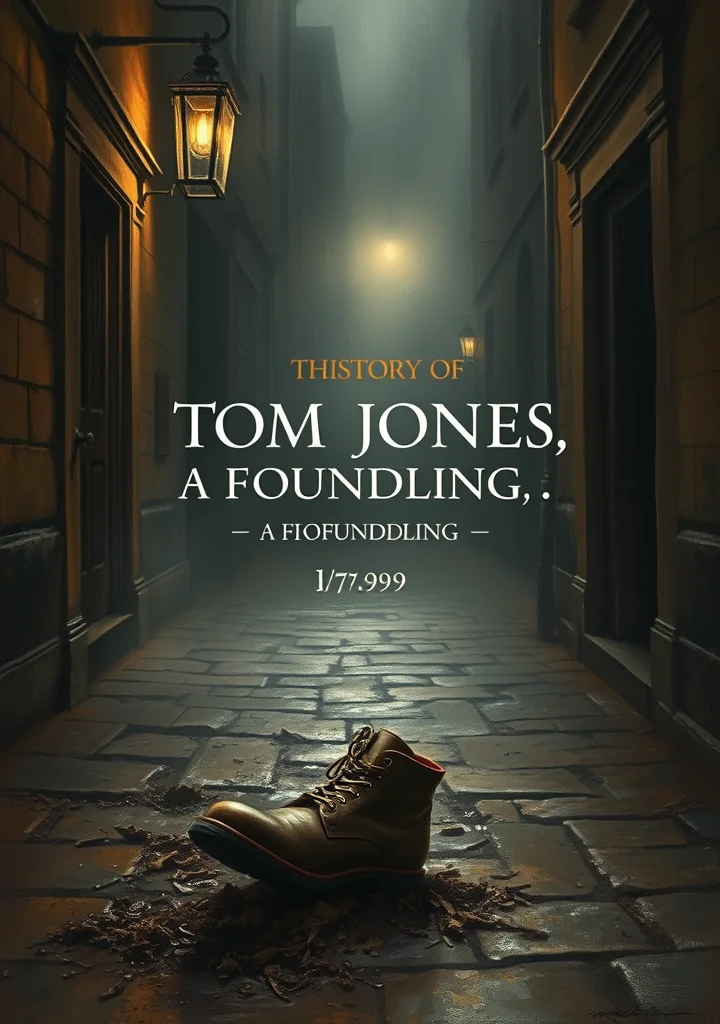
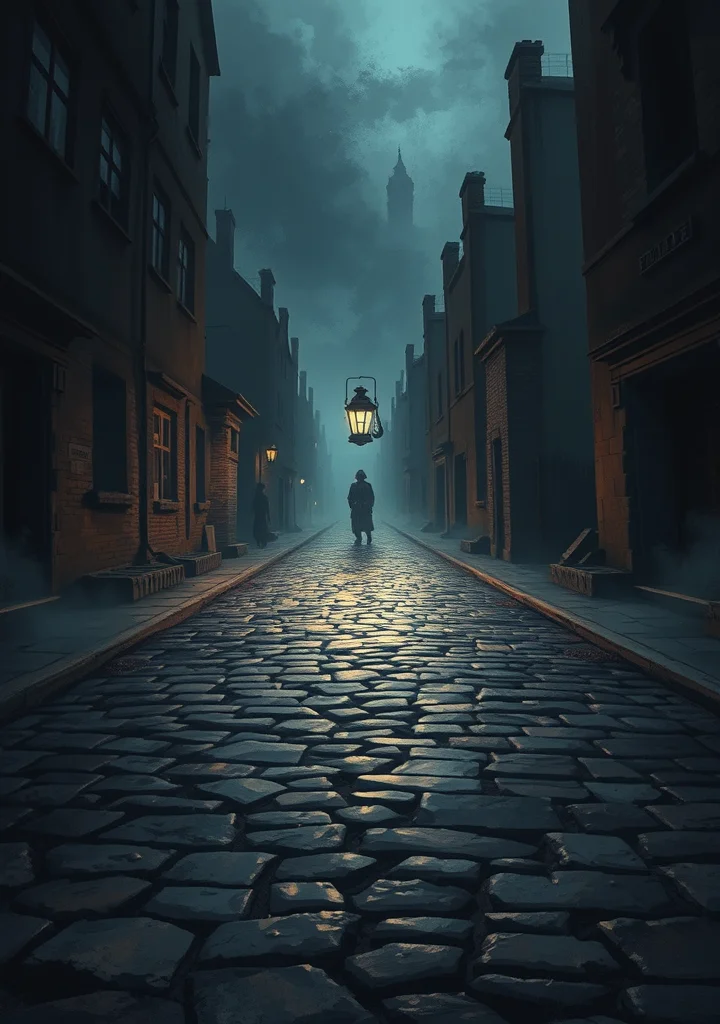
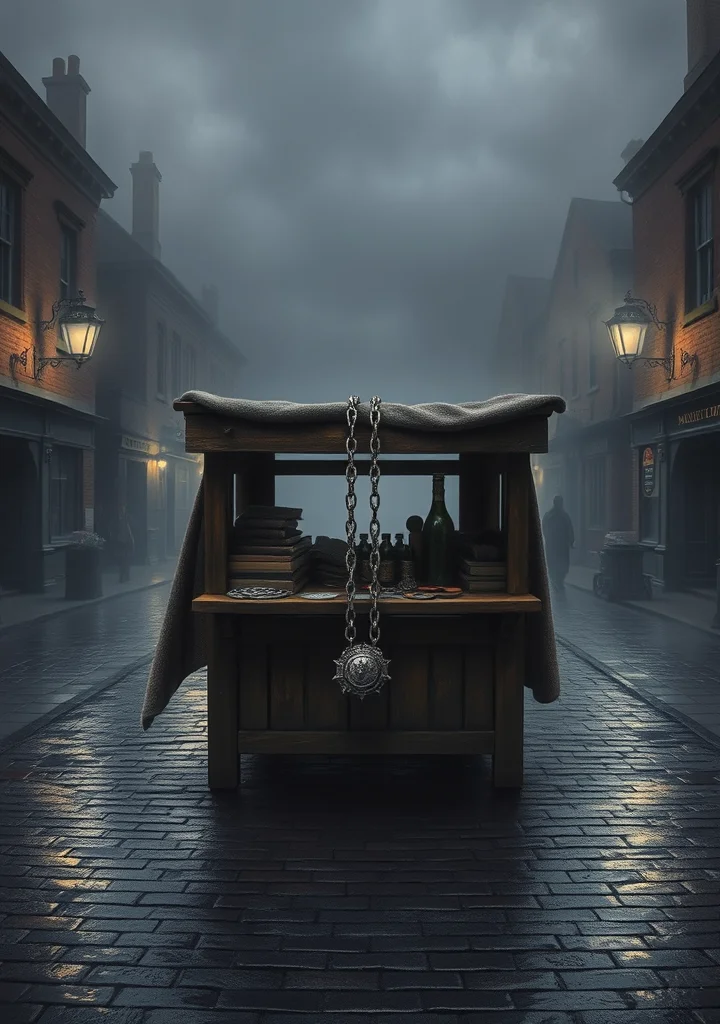
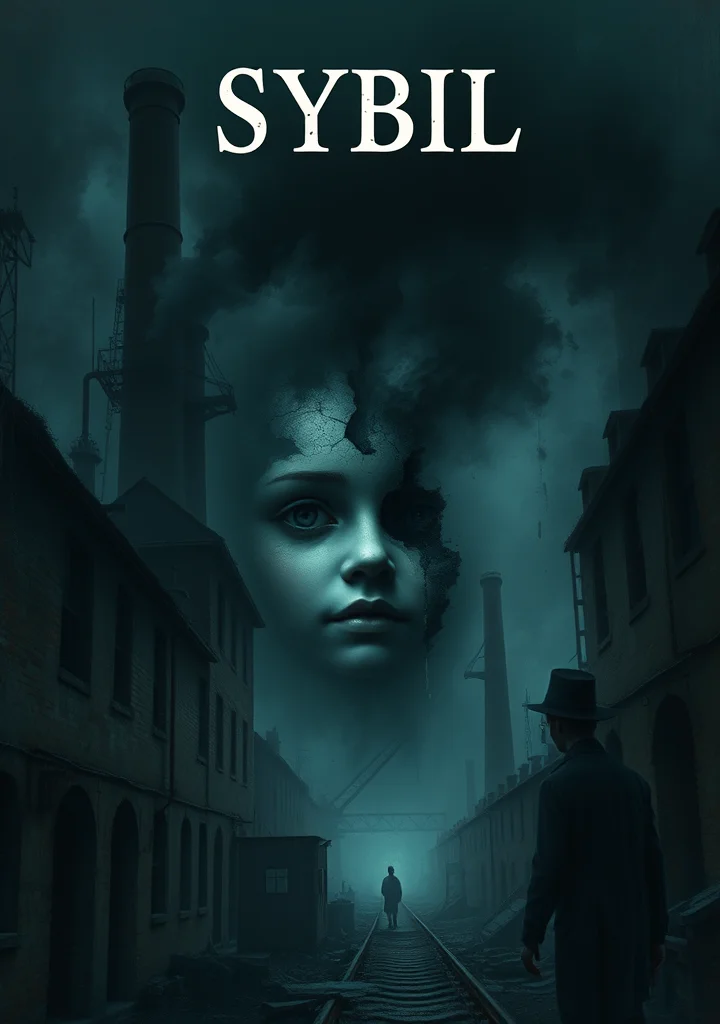
A creeping fog clings to the cobbled streets of London, mirroring the suffocating weight of fate. Within shadowed palaces and grimy alleyways, two boys—born worlds apart yet mirroring in face—exchange destinies under the pallid gaze of a dying king. The air thickens with the scent of decay, of ambition masked by piety, and the chilling whispers of court intrigue. As the prince tastes the brutal hunger of poverty, and the pauper drowns in gilded cages, a creeping dread settles over the city. Each stolen glance, each whispered secret, unravels a tapestry woven with stolen identities and the desperate yearning for a life not their own. The very stones of Westminster seem to weep with the loneliness of stolen crowns, while shadows lengthen, obscuring the lines between royalty and ruin, innocence and corruption. A suffocating sense of predetermination hangs in the air—a prophecy unfolding in the cold, unforgiving embrace of a kingdom teetering on the brink of darkness. The story breathes with the damp chill of forgotten crypts, echoing with the phantom cries of those lost to power’s ravenous hunger.
Copyright: Public Domain
This license allows anyone to use your story for any purpose, including printing, selling, or adapting it into a film freely.
This license allows anyone to use your story for any purpose, including printing, selling, or adapting it into a film freely.
Chapter List
-
« The Prince and the Pauper »📖 Continue Reading
-
« Chapter_3 »
-
« Chapter_4 »
-
« Chapter_5 »
-
« The Prince and the Pauper »
-
« I »
-
« II »
-
« III »
-
« IV »
-
« V »
-
« VI »
-
« VII »
-
« VIII »
-
« IX »
-
« X »
-
« XI »
-
« XII »
-
« XIII »
-
« XIV »
-
« XV »
-
« XVI »
-
« XVII »
-
« XVIII »
-
« XIX »
-
« XX »
-
« XXI »
-
« XXII »
-
« XXIII »
-
« XXIV »
-
« XXV »
-
« XXVI »
-
« XXVII »
-
« XXVIII »
-
« XXIX »
-
« XXX »
-
« XXXI »
-
« XXXII »
-
« XXXIII »
-
« Conclusion »
-
« General Note »
40
-
« The Prince and the Pauper »
-
« Chapter_3 »
-
« Chapter_4 »
-
« Chapter_5 »
-
« The Prince and the Pauper »
-
« I »
-
« II »
-
« III »
-
« IV »
-
« V »
-
« VI »
-
« VII »
-
« VIII »
-
« IX »
-
« X »
-
« XI »
-
« XII »
-
« XIII »
-
« XIV »
-
« XV »
-
« XVI »
-
« XVII »
-
« XVIII »
-
« XIX »
-
« XX »
-
« XXI »
-
« XXII »
-
« XXIII »
-
« XXIV »
-
« XXV »
-
« XXVI »
-
« XXVII »
-
« XXVIII »
-
« XXIX »
-
« XXX »
-
« XXXI »
-
« XXXII »
-
« XXXIII »
-
« Conclusion »
-
« General Note »
More like this