
Pericles
  • 145
  • 0
  • 34
  • Reads 145
  • 0
  • Part 34
Completed, First published Mar 02, 2026

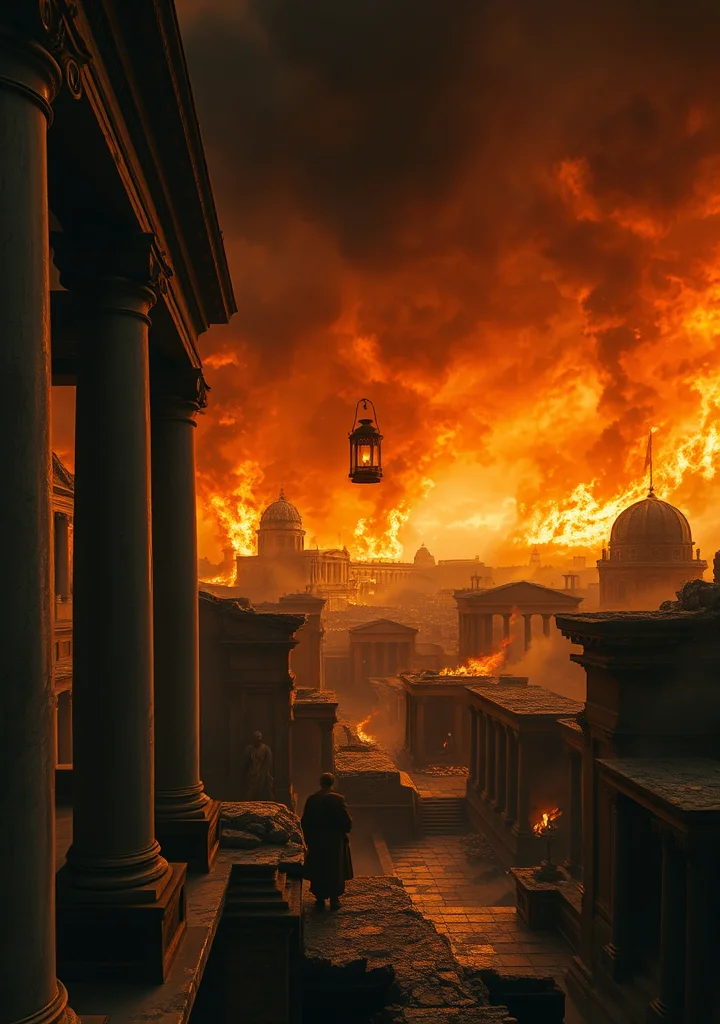
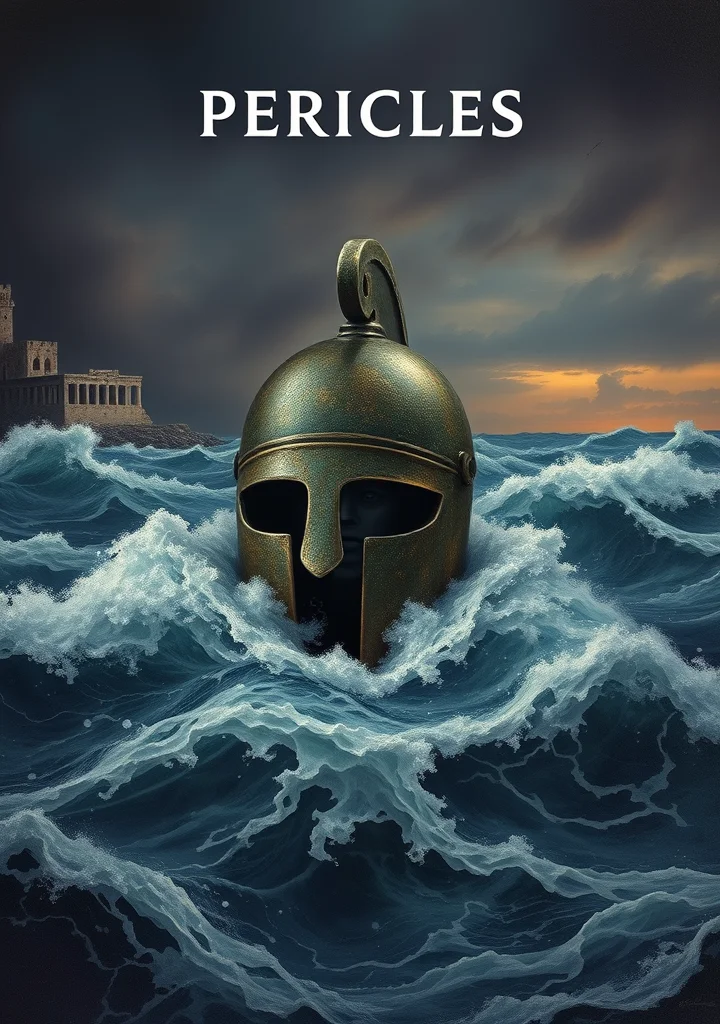
A brine-soaked grief clings to the crumbling stones of ancient ports. Pericles, adrift on a storm-lashed fate, is haunted by echoes of loss—a wife believed drowned, a daughter lost to shadowed commerce. The air tastes of salt and decay, thick with the whispers of forgotten gods and the gnawing hunger of the sea. His journey is not one of conquest, but of unraveling; a slow descent into a labyrinth of mistaken identities and spectral visitations. Each port he finds is draped in a melancholic twilight, where shadowed figures bargain in hushed tones and the very timbers of ships weep with the weight of untold stories. The play unfolds not in vibrant courts, but in the echoing chambers of memory, where the line between the living and the drowned blurs. A sense of creeping dread permeates every act, a sense that even deliverance is merely another wave in a perpetual, mournful tide. The very stars above seem to watch with a cold, indifferent pity as Pericles navigates a world where fortune is a fickle mistress and hope itself is a fragile, waterlogged bloom.
Copyright: Public Domain
This license allows anyone to use your story for any purpose, including printing, selling, or adapting it into a film freely.
Recommended for you
12 Part
A creeping dread clings to the Scottish Highlands, a suffocating weight born not of stone and shadow, but of ambition and icy calculation. Buchan doesn’t offer roaring castles or spectral apparitions, but a far more insidious haunting – the slow, deliberate erosion of a man’s soul within the brutal architecture of his own making. The estate of Aird’s Glen isn’t merely a house, but a fortress of will, built upon a foundation of stolen secrets and shadowed deeds. The air within its walls is thick with the scent of peat smoke and the ghosts of fortunes won and lives broken. It’s a place where the very landscape seems to conspire to conceal, and the silence holds a tremor of violence barely contained. Every polished surface, every perfectly aligned stone, reflects a ruthlessness that chills the bone. The narrative doesn’t rush towards a climax, but coils like a viper in the darkness, tightening with each whispered conversation, each carefully placed rumour. The true horror isn’t what is *in* the Powerhouse, but what it *becomes* – a monument to the terrifying elegance of a man who dares to play God amongst the heather and the rain. The oppressive isolation isn't merely geographical, but a suffocating imprisonment within a mind determined to conquer not just land, but the very spirit of the glen itself. It’s a story where the landscape itself is a witness to sin, and the wind carries the lament of those consumed by its ambition.
10 Part
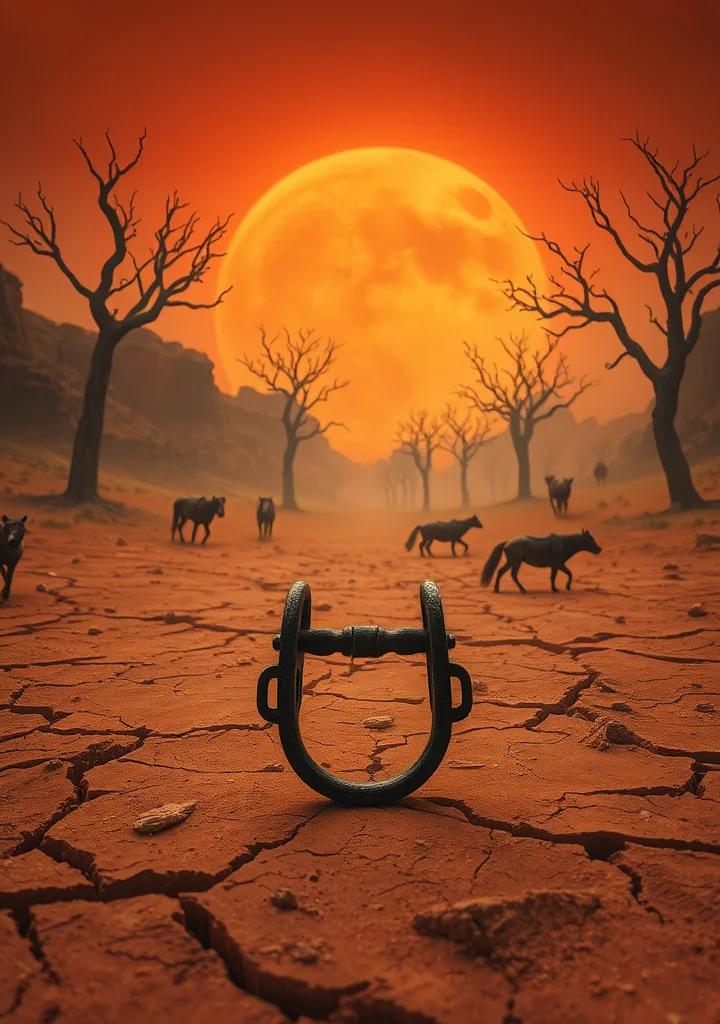
The air hangs thick with dust and the scent of decay, clinging to the crumbling adobe walls of the hacienda like a shroud. Beyond Thirty isn’t merely a place, but a threshold—a descent into a sun-bleached nightmare where the desert breathes secrets into the bones of the dead. Old Man Cregar, a spectral figure draped in shadows and regret, guards this desolate stretch of land with a fanatic’s zeal. He’s a shepherd of ghosts, they say, and his eyes hold the vacant stare of a man who’s stared too long into the abyss. The narrative unravels with the slow, agonizing crawl of a scorpion across sun-baked earth. Each chapter is a layer peeled back from a rot-ridden core, revealing a history of violence and avarice buried beneath the shifting sands. The land itself seems to conspire against sanity, warping the sun-scorched minds of men into instruments of cruelty. Whispers follow you in the canyons, shadows dance with the skeletons of forgotten dreams, and the very stones seem to weep with the memory of unspeakable acts. There’s a pervasive sense of being watched, of something ancient and predatory circling just beyond the periphery of vision. The sun bleeds across the horizon like a fresh wound, staining the landscape with a feverish crimson hue. It’s a place where madness blooms like a desert flower, beautiful and deadly, and where the boundaries between the living and the damned blur into a single, suffocating breath. The story isn’t about *reaching* Beyond Thirty; it’s about what Beyond Thirty does to you. It unravels, it consumes, it leaves only bleached bones and a hollow echo in the vast, unforgiving emptiness.
44 Part
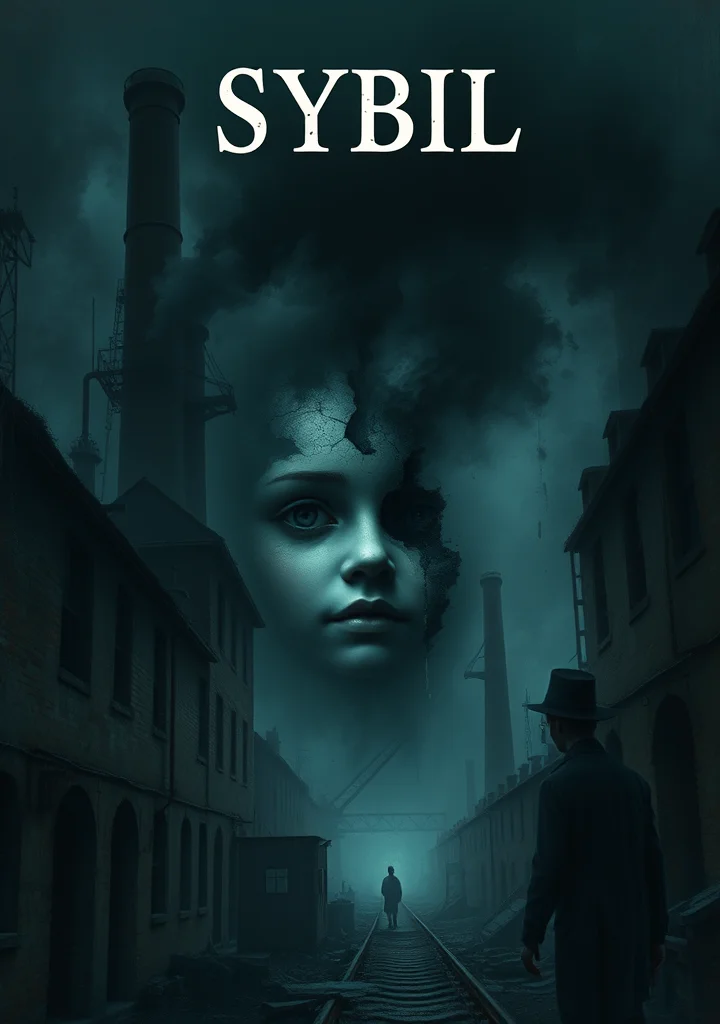
A pall of perpetual grey descends upon the cobbled streets of Villette, mirroring the stifled grief that clings to Lucy Snowe like a shroud. This is not a tale of grand passions, but of a woman’s soul meticulously constructed within the confines of a foreign city, a fortress built against loneliness and the phantom ache of a lost past. The narrative unfolds in shadowed classrooms and the hushed reverence of a Protestant chapel, steeped in a melancholic stillness that breeds secrets. Every glance, every shared breath, is measured, weighed down by an unspoken tension that coils within the very walls of the pensionnat. A city of locked rooms and watchful eyes, Villette breathes with the scent of damp stone and decaying lace. The air is thick with the unspoken desires of its inhabitants, their suppressed longings echoing in the corridors. A spectral presence haunts the periphery—the ghostly figure of a doctor, a feverish delirium, and the chilling weight of a past trauma that threatens to unravel Lucy’s carefully ordered existence. Here, beneath the oppressive weight of convention, a fragile bloom of self-possession takes root, blossoming amidst the decay. But even in this quiet flowering, a sense of dread lingers—a premonition of a final, devastating reckoning where the boundaries between reality and illusion blur, leaving Lucy suspended between salvation and utter dissolution, forever marked by the shadows of Villette. The city itself becomes a character, breathing with a suffocating intensity, a prison of the heart veiled in perpetual twilight.