
Sartor Resartus
  • 171
  • 0
  • 41
  • Reads 171
  • 0
  • Part 41
Completed, First published Mar 02, 2026

A fever-dream stitched from rags and ruin, *Sartor Resartus* breathes within a London choked by industrial soot and spectral anxieties. The narrative unravels not as story, but as a decaying garment – the tailoring of a madman, Dippet, whose world is undone thread by thread. His 'King of Clothes' philosophy is a delirium, a descent into the chambers of the mind where the visible world dissolves into symbolic tatters. The air hangs thick with the stench of decay, both literal and spiritual, mirroring the city’s crumbling foundations. A claustrophobic intensity clings to every chapter, mirroring Dippet’s own unraveling, the prose itself mimicking the tearing of fabric, the fraying of sanity. The novel is less read than *experienced*, a hallucinatory procession through a decaying interior landscape where the boundaries between madness, revelation, and the suffocating weight of modern existence blur into a single, suffocating grey. Shadows lengthen and twist, not from external darkness, but from the hollowed-out spaces within the self, echoing in the echoing streets of a metropolis drowning in its own waste. It is a descent into the labyrinth of the soul, where hope is a discarded button and the only escape is through the unraveling.
Copyright: Public Domain
This license allows anyone to use your story for any purpose, including printing, selling, or adapting it into a film freely.
Recommended for you
12 Part
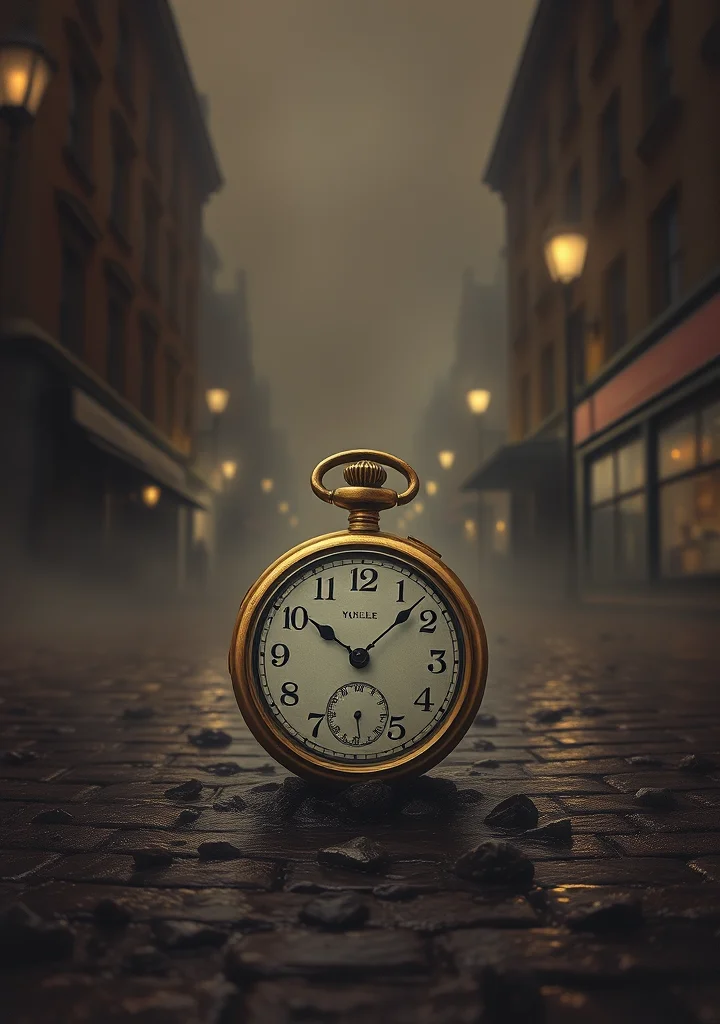
Dust motes dance in the perpetual twilight of the Leblanc estate, a crumbling manor where shadows cling to velvet draperies like mourners. Within its suffocating embrace, a lineage steeped in melancholic ritual unravels with each chime of the ancestral clock—a morbid heartbeat marking eight generations consumed by a singular, insidious obsession. The narrative bleeds into the very stone of the house, a slow corruption mirroring the decline of the family’s sanity. Each stroke of the clock doesn't measure time, but the fracturing of a soul, the unraveling of a legacy built on stolen breaths and whispered bargains with the encroaching darkness. A suffocating atmosphere of decay permeates every page, thick with the scent of wormwood and regret. The story unfolds through fragmented letters, fevered diary entries, and the increasingly erratic pronouncements of a caretaker haunted by echoes of the past. The estate itself becomes a character—a labyrinth of forgotten chambers and corridors where the air hangs heavy with unspoken horrors. The reader is drawn not towards resolution, but towards a descent into the heart of a madness that breeds in isolation, where the only true company is the relentless ticking of the clock and the chilling realization that the estate doesn't merely *contain* its ghosts—it *creates* them. The prose is a tapestry of dread, woven with the delicate threads of a family slowly dissolving into the very fabric of the house, swallowed by the echoes of eight strokes that herald not the hour, but oblivion.

113 Part
Dust motes dance in the perpetual twilight of Gandersheim Abbey, where the echoes of chanted prayers cling to stone walls thick with centuries of silence. Within its shadowed scriptorium, a young novice, shadowed by visions and whispers, begins to transcribe the plays—not for performance, but for penance. Each line penned, each character sketched, bleeds into the fabric of her waking nightmares, mirroring the fractured history of the convent itself. The dramas are not tales of saints and salvation, but fractured accounts of forgotten queens, possessed by ambition and regret, their stories woven with the scent of damp earth and the taste of iron. The plays are not merely written, they *are* summoned—drawn from the decaying memories of the women who preceded her, each performance a spectral re-enactment within the novice’s mind. A creeping dread descends as she discovers the plays aren’t merely records of past performances, but keys to unlocking something far older, something tethered to the very foundations of the abbey. The lines blur between script and reality, between the living and the dead, until the novice finds herself not writing the plays, but *becoming* them, consumed by the echoing cries of queens dethroned and gods betrayed. The abbey itself breathes with a cold hunger, a silent audience to the unfolding horror as the novice’s hand trembles with the weight of forgotten sins and the chilling truth that the plays are not a lament for the past, but a prophecy of what is to come.
30 Part
A creeping dread clings to the damp stone of Blackwood Manor, where whispers of a forgotten inheritance and a family fractured by shadow weave through the halls. The narrative unfolds not as a grand spectacle, but as a slow unraveling, a descent into the suffocating secrets held within a provincial life. Old man Harwood, a man of routine and quiet despair, finds himself unwillingly entangled in the affairs of others—a vanished solicitor, a resentful ward, and a legacy stained with avarice. The air is thick with the scent of decaying roses and unshed tears. Each chapter feels like a turning of a key in a rusted lock, revealing another shadowed alcove in the manor’s heart. It isn't the horror of what *happens*, but the suffocating weight of what is *known*—the stifled resentments, the furtive glances, the unspoken accusations that fester within the household. The story is told in fragments, overheard conversations and half-remembered incidents, mirroring the fractured memories of those caught within the manor's orbit. Rain lashes against the windows, mirroring the tempest brewing within Harwood’s breast. The middle of things, he comes to realize, is not a position of neutrality, but a vortex—a point where all the dark currents converge. The ending isn't a resolution, but a settling of dust on the things that were always there, waiting for the shadows to lengthen and claim their due. A quiet, insidious despair permeates the pages, leaving the reader with the chilling sensation of being watched from the darkened corners of Blackwood Manor long after the book is closed.
45 Part
A fog-choked New York winter yields not just snow, but a corpse—a wealthy lawyer found shot dead in his locked study, a single playing card, the queen of spades, resting upon his breast. The chill seeps into the grand brownstone of Leavenworth, a house steeped in secrets and shadowed by a family fractured by greed. A web of suspicion tightens around a cast of unsettlingly polite, yet subtly desperate characters: a grieving, yet strangely composed widow; a nephew burdened by debt and ambition; a stoic, watchful butler whose silence feels like a confession. The investigation unfolds not with brute force, but with a meticulous unraveling of domestic rituals, overheard whispers, and the delicate, deceptive language of inheritance. Every polished surface reflects a hidden motive, every shadowed corner a potential crime. The reader is drawn into a claustrophobic dance of deduction, guided by a shrewd, observant narrator who understands that the most damning evidence is often found not in what is said, but in what is *not*. The air hangs heavy with the scent of lilies and regret, the rhythmic tick of grandfather clocks marking the slow decay of trust. As the snow falls and the city darkens, the true horror isn’t the act of murder itself, but the insidious rot of family obligation and the chilling realization that even the most respectable facades conceal a darkness capable of swallowing a man whole. The Leavenworth Case is a study in how easily a life, and a fortune, can be extinguished within the suffocating elegance of a gilded age.