
The Woodlanders
  • 274
  • 0
  • 49
  • Reads 274
  • 0
  • Part 49
Completed, First published Mar 02, 2026

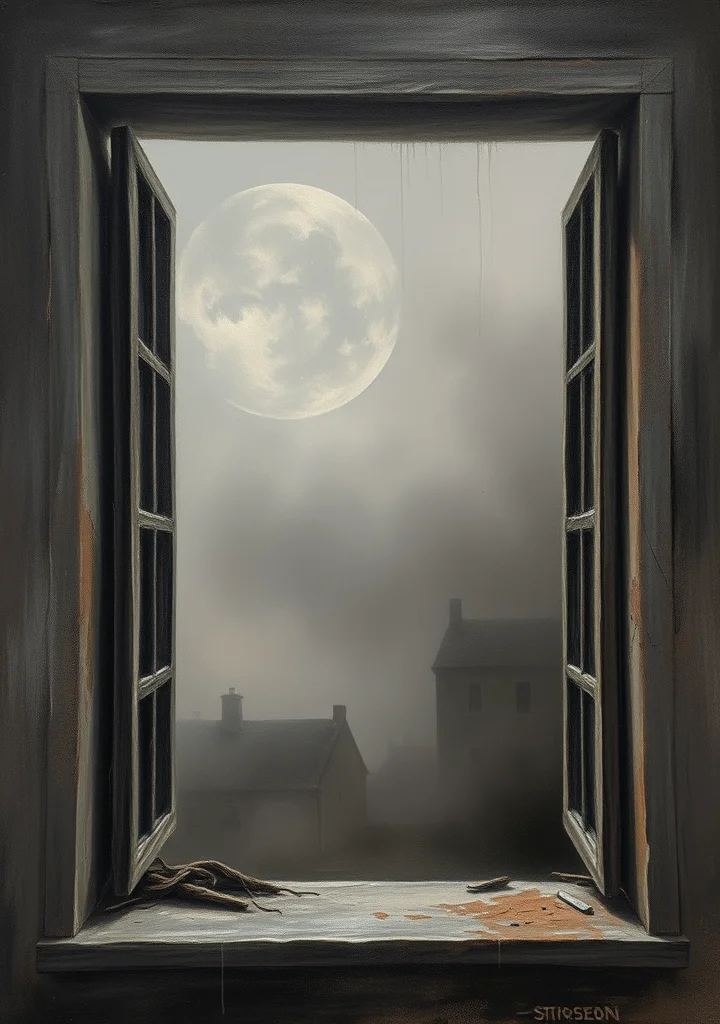
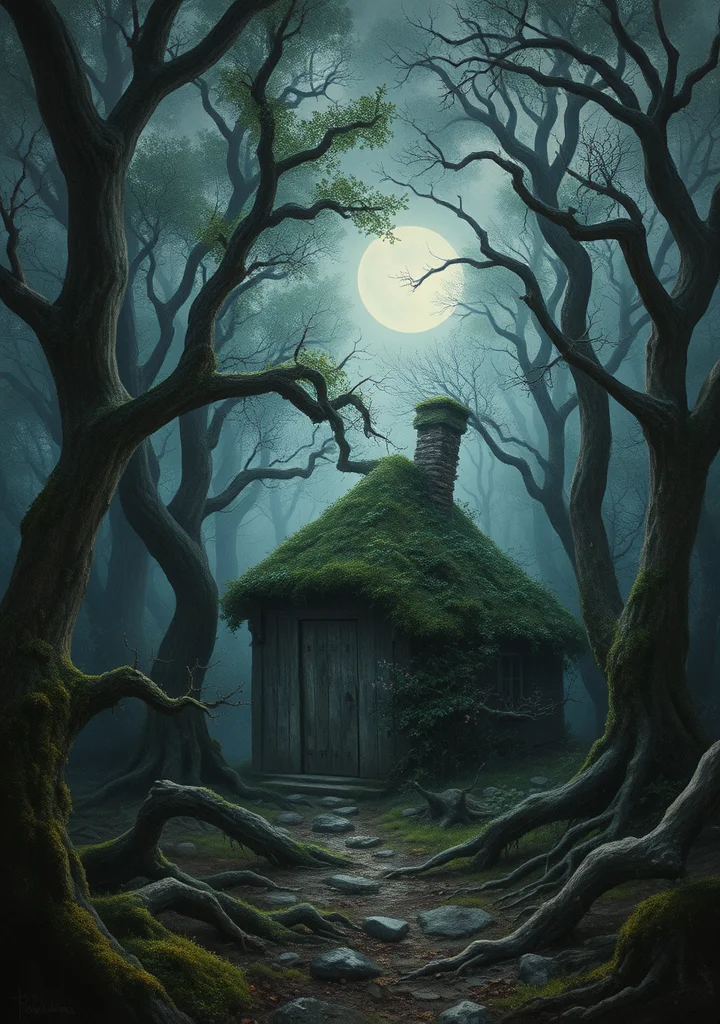
A creeping mist clings to the ancient, gnarled wood, mirroring the secrets held within the hearts of those who dwell amongst its shadowed paths. The novel breathes with the damp earth and the mournful cry of the wind through the pines. It is a story woven from isolation—not of grand castles, but of cottages swallowed by the encroaching forest, of lives tethered to the rhythm of seasons and the whispers of the unseen. A melancholic stillness permeates every chapter, where the boundaries between the natural world and the haunted chambers of the soul blur. Here, love blooms amidst decay, and tragedy is less a singular event than a pervasive rot that consumes hope like moss on weathered stone. The characters are bound to the woodland’s fate, their destinies shadowed by the weight of rural superstition and the inescapable echo of a past that clings to the roots of every tree. It’s a place where the sun barely penetrates, and the darkness yields not to oblivion, but to a lingering, spectral grief. The very air tastes of loss, of promises broken by circumstance, and of the subtle, insidious way the wilderness claims all that remains.
Copyright: Public Domain
This license allows anyone to use your story for any purpose, including printing, selling, or adapting it into a film freely.
Recommended for you
10 Part
A creeping twilight descends upon young Emil Sinclair as he’s drawn into the magnetic orbit of Max Demian, a figure both beautiful and terrifyingly unbound. Hesse’s narrative isn’t merely a coming-of-age, but a descent into shadowed chambers of the self, where inherited morality fractures against the raw stone of instinct. The air thickens with the scent of incense and forbidden knowledge as Sinclair’s world fractures – the rigid structure of his upbringing, the suffocating piety of his mother, all crumble beneath Demian’s gaze. Every encounter is layered with a premonition of doom, a cold wind whistling through the hollows of Sinclair’s nascent soul. The novel breathes with the claustrophobia of a gilded cage, the oppressive weight of societal expectations pressing down like lead. Dreams twist into grotesque allegories, mirroring Sinclair’s inner turmoil with unsettling clarity. Ancient symbols, unearthed from the loam of forgotten myths, become obsessions, fueling a desperate quest for liberation. The narrative is haunted by the specter of a fractured duality, a constant blurring of light and shadow, innocence and corruption. Sinclair’s journey isn’t towards enlightenment, but towards a harrowing reckoning with the darkness within—a darkness that threatens to consume him entirely as he spirals towards the inevitable, brutal severing of ties with the world he once knew. The final revelation is less a triumph, more a chilling echo in the vast, empty cathedral of his own becoming.
54 Part
A creeping dread clings to the shadowed halls of Blackwood Manor, where the legacy of the Ashworths—a family steeped in melancholic piety and stifled ambition—unwinds like a silken noose. The narrative breathes with the damp chill of decaying grandeur, each room a mausoleum of forgotten vows and whispered sins. Old Mr. Ashworth’s failing health isn't merely illness, but a slow erosion of the boundaries between this world and something…else. His daughter, burdened by the weight of expectation and a suppressed, feverish devotion, finds her spirit fracturing alongside his. The story isn't one of outward horror, but a suffocating claustrophobia born of repressed desire and the suffocating weight of religious fervor. A subtle poison seeps through the narrative, laced with the scent of dying lilies and the rustle of unseen presences in the long corridors. The barriers between the Ashworths’ carefully constructed faith and the gnawing darkness within begin to blister and crack. The estate itself is a character—a labyrinth of shadowed alcoves and overgrown gardens where the rot of secrets blooms under a perpetual twilight. The very stones seem to weep with the grief of generations past. The air hangs thick with the anticipation of a reckoning, not of ghouls or specters, but of a soul laid bare, consumed by the flames of its own unfulfilled longings. It’s a story told in the fading light of a dying man’s consciousness, where the boundaries of reality blur with the feverish visions of a desperate heart.

22 Part
A creeping dread settles over London, not of bombs or revolution, but of quiet, insidious doubt. The air hangs thick with fog and the scent of dying gaslight as a new philosophy, a heresy promising liberation through reason alone, worms its way into the hearts of men. It isn’t a rebellion of the poor, but a fracturing within the very foundations of order – a subtle erosion of belief disguised as intellectual progress. The streets themselves seem to conspire in shadow, swallowing the faces of those who dare question the old ways. A growing unease grips the city as the boundaries between sanity and sedition blur, mirroring the labyrinthine alleys where secret meetings ignite. The narrative clings to the periphery of these shadowed gatherings, a sense of impending fracture growing as the story follows men driven to the brink of madness by their own logic. The novel breathes with a sense of claustrophobic dread, a fear that isn't born of the physical but of the soul. The very architecture of London, from the echoing halls of Parliament to the grimy pubs, becomes a prison of thought. The creeping darkness isn't merely political, but a spiritual decay – a slow, suffocating suffocation of faith and tradition, leaving in its wake a chilling void where certainty once stood. The whispers of dissent become screams in the dark, and the reader is left to wander among the ruins of a world unraveling not with fire, but with the cold, precise logic of despair.