
Women in Love
  • 558
  • 0
  • 32
  • Reads 558
  • 0
  • Part 32
Completed, First published Mar 02, 2026

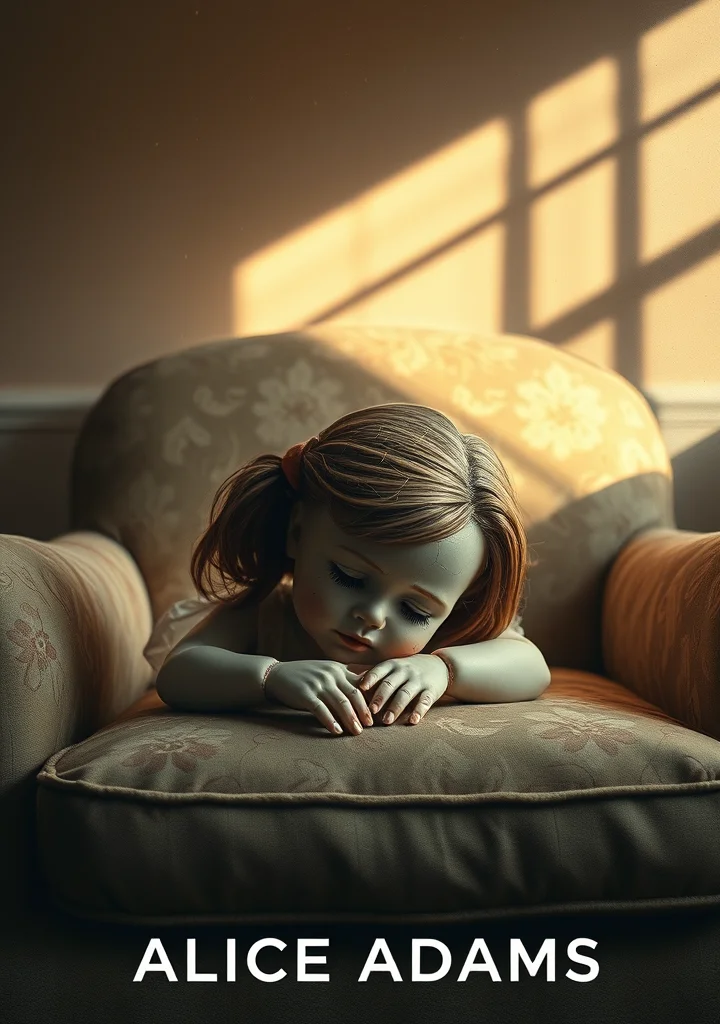
The chill of northern industry clings to every brick and hearthstone. Here, amidst coal dust and the grey decline of provincial lives, two sisters—Birgit, brittle as frost-rimed glass, and Gudrun, burning with a glacial ambition—are drawn into a vortex of possession. Not by the gentle warmth of courtship, but by the raw, elemental hunger of men carved from the same unforgiving landscape: Gerald, the ruinously handsome mining heir, and Michaelis, the subtle, cerebral sculptor. Their encounters aren't stolen glances in sunlit gardens, but brutal wrestlings in darkened stables, the scent of damp wool and iron heavy in the air. It’s a world where tenderness is a calculated surrender, and love, a form of exquisite domination. The forests surrounding their lives become shadowed arenas for ritualistic hunts, mirroring the savage claiming of one soul by another. A creeping dread permeates the narrative. Not of ghosts or ghouls, but of something far more insidious: the suffocating weight of need. The houses themselves seem to exhale a history of stifled desires, their rooms echoing with the unspoken pacts forged in the heat of obsession. The very earth underfoot feels ancient, complicit in the brutal blooming of a love that is both ecstasy and asphyxiation. It is a darkness that consumes not with fire, but with a slow, icy erosion of the self, leaving only the hollow shell of a willing captive.
Copyright: Public Domain
This license allows anyone to use your story for any purpose, including printing, selling, or adapting it into a film freely.
Recommended for you
90 Part
A creeping dread clings to the shadowed corners of Evelina’s world, a world meticulously observed yet perpetually on the verge of unraveling. The narrative unfolds like a slow poison, tracing the delicate bloom of a young woman navigating a society steeped in brittle politeness and concealed malice. Every stolen glance, every misinterpreted gesture, breeds a suffocating anxiety, mirrored in the claustrophobic interiors of ballrooms and drawing-rooms. A constant, low-humming tension permeates the story—not of overt horror, but of a suffocating fear of exposure, of social ruin, of the precariousness of female dependence. The author doesn’t reveal monsters in darkness, but excavates the predatory instincts lurking *within* the light. Evelina’s own innocence, while presented as virtue, becomes a fragile shield against the predatory gazes of men who orbit her with a calculating hunger. The prose itself is a delicate, almost feverish accounting of minute social anxieties. The reader is drawn into a suffocating awareness of every averted gaze, every stifled sigh, every carefully worded phrase—each a potential snare in a labyrinth of propriety. The story breathes with the stifled air of a gilded cage, where smiles mask calculation, and every act of kindness feels laced with expectation. A creeping sense of claustrophobia settles over the pages as Evelina’s fragile hope is shadowed by the ever-present threat of social catastrophe. It’s a world where the most insidious terrors are born not from monsters, but from the exquisitely refined cruelty of the human heart.
30 Part
A creeping fog clings to the village of King’s Abbots, mirroring the suffocating secrets held within its shadowed lanes. The late Roger Ackroyd, a man of standing, lies dispatched with a silver dagger in his study – a room thick with the scent of old money and unspoken dread. But the true horror isn’t the act itself, but the confession whispered to a bewildered Dr. Sheppard, a man now bound by a pact of silence, a complicity that chills him to the bone. The house itself breathes with a stifled history, each antique object a witness to the decaying morality of its inhabitants. Whispers follow Sheppard through the darkened hallways, hints of illicit affairs, concealed debts, and the simmering resentments of a household poised on the brink of collapse. Every face observed through the leaded windows is a mask concealing a hidden motive. The investigation is a descent into a labyrinth of deception, where the truth is buried beneath layers of polite society and the weight of unconfessed sins. A sense of decay permeates every interaction, a sense that the very foundations of this idyllic village are riddled with rot. The reader is drawn into the suffocating grip of a narrative where every conversation feels like a carefully constructed lie, and the final revelation will leave a lingering chill long after the last page is turned. The darkness doesn’t come from the crime, but from the monstrous humanity that orchestrated it.