
Poetry
  • 1.2K
  • 0
  • 190
  • Read 1.2K
  • 0
  • Part 190
Completed, First published Mar 02, 2026

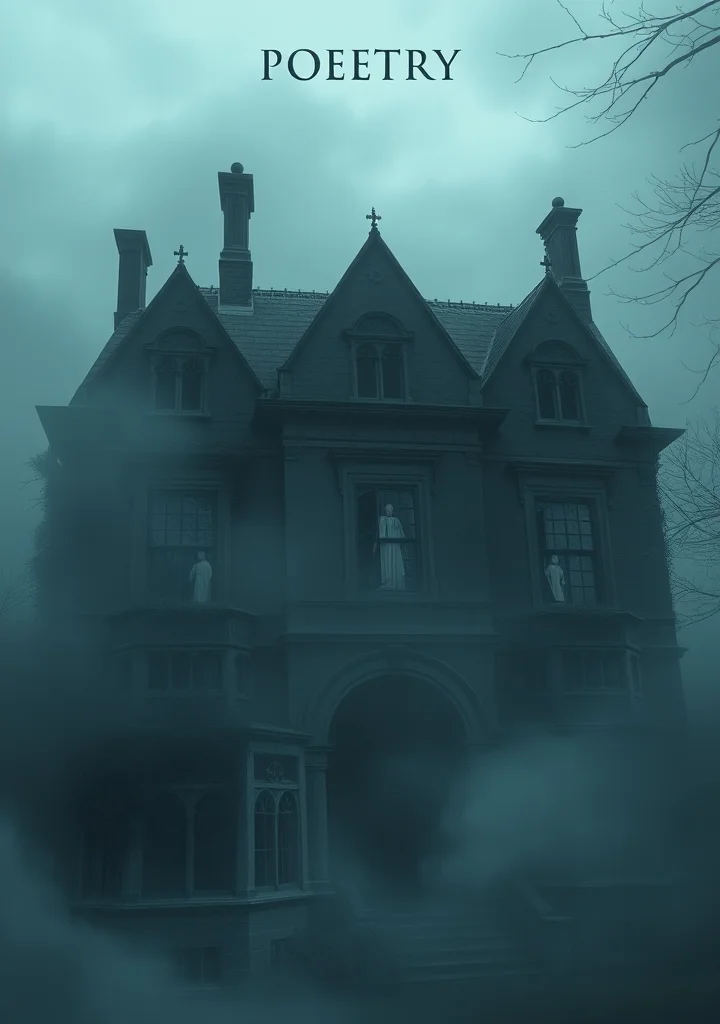
A creeping fog clings to the shadowed corners of the English countryside, mirroring the melancholy that permeates these verses. Arnold doesn't offer grand tales of horror, but a slow unraveling of faith and belonging. Each poem is a crumbling manor house, haunted by the ghosts of lost ideals and the chill of a world grown indifferent. The sea, a vast, grey expanse, whispers of isolation and the futility of human striving. A pervasive sense of decay clings to the language, like damp moss on stone. Here, the darkness isn’t one of monsters, but of a quiet despair – a recognition of the void at the heart of modern life. Sunlight, when it appears, feels not warming, but like a brief, spectral visitation before the encroaching gloom reclaims all. The very air is thick with regret, and the reader is left to wander through echoing chambers of doubt, forever shadowed by the melancholy of a world slipping into twilight. It is a landscape of the soul, where every horizon is veiled in mist and every echo carries the weight of unanswered questions.
Copyright: Public Domain
This license allows anyone to use your story for any purpose, including printing, selling, or adapting it into a film freely.
Recommended for you
13 Part
A creeping fog of moral decay clings to the damp cobblestones of 19th-century Europe, mirroring the rot within Winston Churchill’s protagonist, Marlow. Not a tale of daring exploits, but of insidious compromise, of a man hollowed by the weight of a nation’s secrets. The narrative coils like a serpent in the dim parlors of London and the shadowed cafes of Geneva, each whispered confidence a tightening noose. Marlow isn’t merely tasked with espionage; he’s consumed by it, his very identity dissolving into the guise of another’s ambition. The true horror isn’t the plot itself, but the glacial erosion of the soul. Conrad doesn’t offer spectacle, but a suffocating claustrophobia born of suspicion, the constant awareness of being observed, of being a puppet strung along threads of power. Every encounter is veiled in politeness, yet vibrates with a cold, predatory intent. The prose itself is a deliberate, slow burn, mirroring the deliberate pace of the agent’s infiltration. Expect not grand chases or explosive reveals, but the insidious bloom of disillusionment. The novel’s true darkness isn’t found in what is done, but in the casual, almost clinical acceptance of its necessity. It’s a descent into a world where honour is a currency debased by necessity, and where the very act of witnessing leaves its mark like a brand upon the heart. The air hangs heavy with the scent of stale tobacco and unspoken bargains, a chilling premonition of the century's coming shadows.
9 Part
Dust motes dance in the perpetual twilight of lost kingdoms, clinging to the sweat-stained leather of Quatermain’s journal. These aren’t tales of conquest, but of a creeping dread that leeches from the very stone of forgotten cities. The air hangs thick with the scent of decay and ancient rites, a miasma rising from sepulchers carved into living rock. Each sun-bleached bone whispers of a civilization devoured not by armies, but by something *older*. The landscapes themselves are predators – vast, echoing savannas where the horizon shimmers with mirages of phantom tribes and the bleached skulls of men who dared to listen to the desert’s mournful song. Shadows stretch long and hungry, concealing not merely beasts, but the unraveling sanity of those who gaze too deeply into the abyss of Africa’s heart. There’s a rot that clings to Quatermain’s companions – a subtle corruption of the spirit, a yearning for oblivion amidst the gold and ivory. The true horrors aren’t found in the clash of steel, but in the hollow gaze of men possessed by the whispers of the dead, in the sickening realization that the treasures they seek have been bought with pieces of their own souls. This is a journey not to discovery, but to disintegration, a descent into a darkness where the line between hunter and hunted dissolves into the echoing silence of eternity. The weight of the past isn’t merely history here; it’s a suffocating presence, a tombstone carved over the heart of the living world.
22 Part
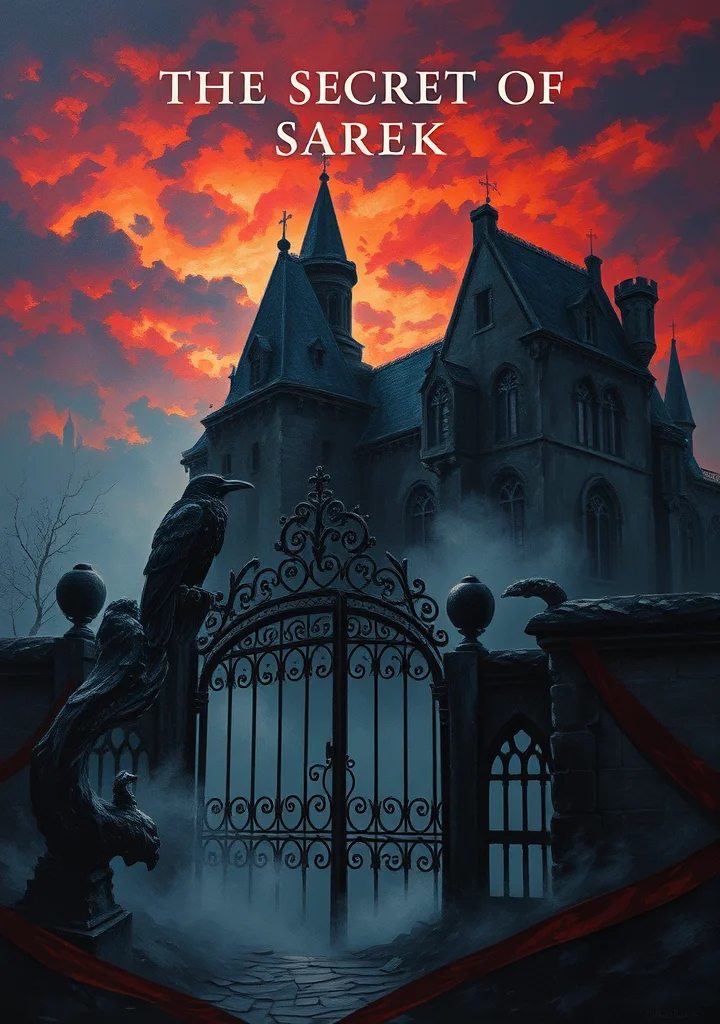
A creeping dread clings to the crumbling chateau of Sarek, a fortress of shadows etched against the bruised twilight of the Ardennes. Within its suffocating stone embrace, generations have vanished, swallowed by whispers of a lineage cursed by a raven’s prophecy. Leblanc weaves a tale steeped in the scent of decay and the chill of ancestral guilt. The narrative unfolds through fragmented journals and desperate letters, each page stained with the ink of obsession and the dust of forgotten rites. Sarek isn't merely a place, but a contagion—a slow erosion of sanity born from the weight of secrets buried in its peat-blackened foundations. The estate’s sole heir, a man haunted by visions mirroring his ancestors' fates, unravels a history woven from illicit love, blasphemous bargains struck with the forest’s ancient entities, and the agonizing price of immortality. The air itself seems to conspire against the living, thick with the rustle of unseen presences and the echoing cries of those claimed by Sarek’s insatiable hunger. Every room breathes with the ghosts of its past, and the labyrinthine corridors offer not escape, but a deeper descent into the heart of a darkness that predates the chateau’s very stones. The truth, when it finally claws its way to the surface, is less a revelation than a festering wound—a testament to the monstrous legacy bound to Sarek’s soil, and the insidious corruption that blooms in the silence between breaths.