
Much Ado About Nothing
  • 156
  • 0
  • 25
  • Reads 156
  • 0
  • Part 25
Completed, First published Mar 02, 2026

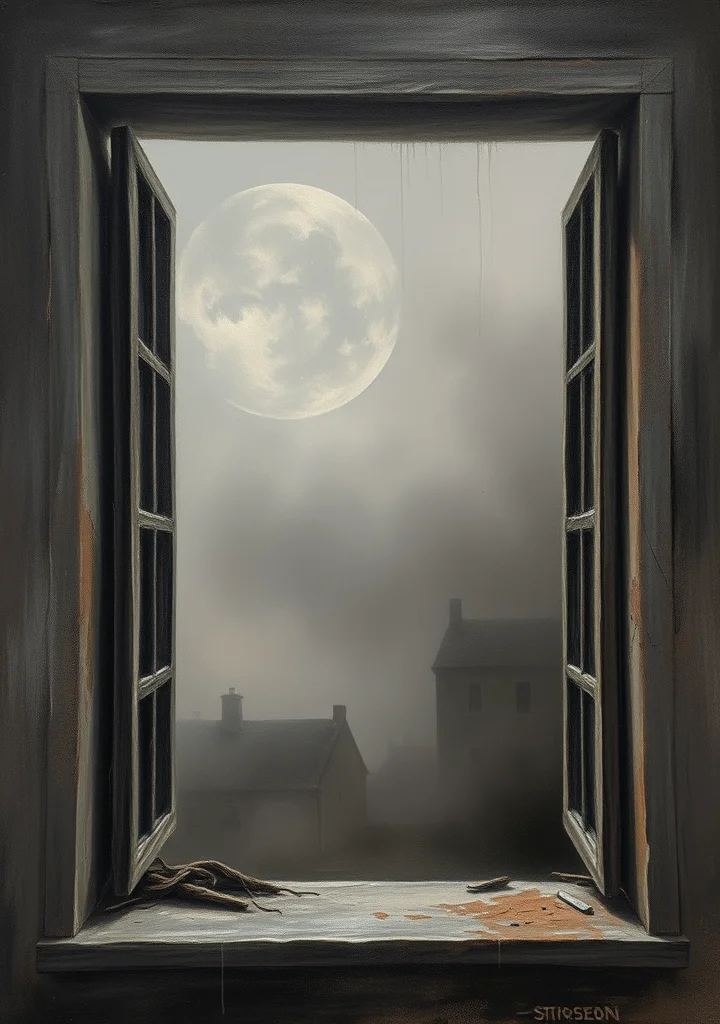
A creeping fog of suspicion clings to Messina, where wit sharpens into malice and love is shadowed by the venom of overheard whispers. The air hangs thick with the scent of jasmine and decay, mirroring the fragile blooms of courtship poisoned by deceit. Beneath the moon’s pale gaze, accusations blossom like thorns, twisting around hearts already bruised by pride. Laughter rings hollow, echoing through shadowed arcades where secrets fester. A masquerade of honor and shame unfolds, each jest a veiled threat, each stolen glance a potential betrayal. The estate itself seems to breathe with the weight of unspoken desires, its stone walls absorbing the rising tide of paranoia. Even the garden, bursting with vibrant roses, feels tainted—a perfumed prison where truth is lost amidst a labyrinth of carefully crafted illusions. The very stones of Messina seem to listen, absorbing the insidious bloom of mistrust, as the night descends and the true darkness takes root. A suffocating elegance, laced with the scent of impending ruin.
Copyright: Public Domain
This license allows anyone to use your story for any purpose, including printing, selling, or adapting it into a film freely.
Recommended for you
6 Part
Dust motes dance in the perpetual twilight of a manor house library, where the very stones seem to weep with the weight of forgotten pedagogies. Locke’s treatise, bound in cracked leather, isn't merely read, it’s *absorbed* by the shadowed corners of the mind. Each proposition, each carefully reasoned argument, feels less like instruction and more like an excavation – uncovering the brittle bones of a child’s soul, laid bare to observation. The air thickens with the scent of beeswax and decaying paper, mirroring the slow rot of innocence as it's dissected into habits and virtues. A chill descends not from the winter winds, but from the chilling logic of a system designed to sculpt a being from clay. The garden, glimpsed through leaded windows, is not a place of growth but of imposed order – clipped hedges mirroring the pruning of unruly thought. One senses, lurking between the lines, the ghost of a tutor’s stern gaze, demanding conformity in the very bloom of youth. The narrative isn't one of malice, but of insidious precision. It’s the sound of a key turning in a locked room—the room of the self—and the realization, creeping like ivy across a crumbling wall, that the very foundations of belief are being meticulously, irrevocably reshaped. The silence within the house isn’t peaceful, but a pregnant stillness—a waiting for the echoes of a will imposed, a spirit molded, and the final, hollow resonance of a mind made obedient.
42 Part
A creeping dread clings to the Irish coast, thick as the bog mire that swallows men whole. Stephens weaves a tale not of heaven or hell, but of the liminal spaces between, where the remnants of ancient, pagan deities bleed into the fractured lives of mortals. The narrative unfolds within a suffocating village steeped in superstition, where whispers of forgotten gods stir in the peat smoke and the sea’s cold breath carries the scent of something older than time. Each character is a fractured vessel—a priest haunted by visions, a woman possessed by a spectral sorrow, a boy touched by the cold hand of the otherworld. Their desires, their failures, their very breaths seem drawn from the decaying grandeur of a lost age. The world isn’t simply haunted; it *is* haunting—a slow rot of the soul mirroring the crumbling stone circles and the drowned chapels swallowed by the relentless tide. The prose itself feels like unearthed bone, brittle and cold, layered with the scent of brine and decay. Stephens doesn’t offer salvation, only a glimpse into the echoing emptiness where the gods once walked, leaving behind only echoes of their power and the lingering stain of their absence. It’s a world where the boundaries between reality and nightmare blur, where every shadow holds a watchful eye, and the very earth seems to breathe with a mournful, forgotten hunger. The air tastes of salt and regret, and the story unfolds like a slow, inexorable drowning in the grey light of a dying world.
59 Part
A creeping fog clings to the ancestral halls of Blandings Castle, not of mist, but of expectation – expectation of scandal, of clandestine engagements, of fortunes lost and won on the whims of porcine deities. The air hangs thick with the scent of prize-winning swine, damp earth, and the simmering discontent of a household teetering on the brink of absurdity. This is a world where shadows stretch long and lean, cast by the imposing figures of Galahad Payn, Lord Blandings, and his perpetually exasperated secretary, Beach. Within this suffocating atmosphere of rural decay, a phantom of indolence drifts: Psmith, a gentleman of exquisite apathy, whose arrival unravels the threads of propriety with a languid smile. He is an observer, a catalyst, a master of the subtly disruptive. His influence seeps into the castle's very stones, stirring up the dust of forgotten grievances and the embers of reckless ambition. The narrative unfolds not as a straightforward progression, but as a slow unraveling – a tapestry of whispered plots, stolen glances, and the unnerving stillness of long afternoons. Every room breathes with the weight of inherited secrets, every garden path conceals a hidden tryst. A sense of looming, mischievous chaos pervades, threatening to engulf the rigid order of Blandings in a tide of good-natured, utterly ruinous delight. The very estate feels haunted by the possibility of a perfectly executed, exquisitely pointless rebellion. It’s a darkness lit by the wry, cynical brilliance of Psmith’s knowing gaze.
15 Part
Dust motes dance in the perpetual twilight of a London nursery, where a carpet woven with ancient symbols stirs to life. Not with thread and dye, but with the embers of forgotten djinn, bound to obey a boy’s whim. A phoenix, magnificent and terrible, unfolds from its crimson threads, a creature of scorching desire and ash-grey regret. The house itself seems to breathe with the bird’s fiery heart, shadows lengthening into monstrous shapes as the carpet’s magic pulls at the seams of reality. The scent of cinnamon and burning feathers clings to the air, thick with whispers of a past where wishes are bought with stolen sunsets. Each flight of the phoenix, each murmured command, unravels another layer of the nursery’s gilded cage, revealing a world both exhilarating and deeply, unnervingly lonely. The very floorboards groan beneath the weight of impossible journeys, echoing with the laughter of children lost in the labyrinth of their own making. A creeping dread settles amongst the velvet curtains and porcelain dolls, a premonition that the power granted is not freely given. The carpet doesn't merely transport; it *remembers*. It holds the echoes of every longing, every secret, every shadowed bargain struck within its weave. And as the phoenix circles higher, the nursery – and the lives bound within it – begin to unravel, consumed by a hunger that stretches beyond the reach of childish dreams. The air itself tastes of smoke and forgotten promises.
32 Part
The salt-laced wind howls through skeletal chaparral, mirroring the desperation clawing at the throats of men adrift in a California bleached bone-white by sun and regret. Edison Marshall doesn’t offer cowboys or gunfights, but a creeping dread born of isolation, of land that swallows men whole and spits out their ghosts to wander the canyons. Here, the ranchers—the “shepherds”—are less masters of cattle than wardens of a crumbling dominion, haunted by the specter of Spanish conquest and the whispers of native spirits driven to madness. Dust devils dance with the memories of slaughtered herds, the phantom cries of women lost to the desert’s embrace. The narrative unfolds as a slow bleed of violence, not from quick draws but from the rot within families fractured by ambition and thirst. Every cracked adobe wall breathes with the weight of inherited sins, every shadow cast by a Joshua tree seems to lengthen into the shape of a noose. The land itself is a character—a vast, indifferent god demanding sacrifice. The men who cling to it, driven by a desperate need to build something lasting from dust and decay, are shadowed by the realization that they are building their tombs, not empires. This isn't a tale of the West won, but of the West *consuming*, leaving only hollowed men and the bleached bones of a kingdom built on sand. The air is thick with the scent of sage and the metallic tang of blood, both old and freshly spilled, clinging to the canyons like a shroud.