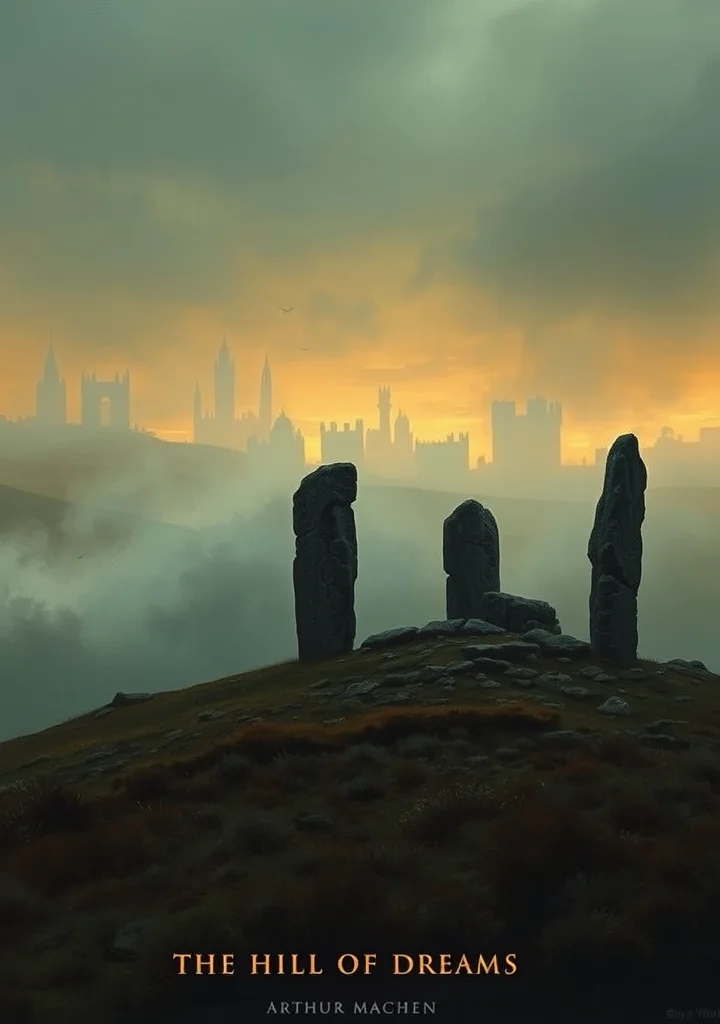

The Hill of Dreams
  • 97
  • 0
  • 10
  • Reads 97
  • 0
  • Part 10
Completed, First published Mar 02, 2026

A creeping dread clings to the Welsh countryside, woven into the very stones of ancient cairns and the shadowed hollows between hills. Machen’s narrative exhales a miasma of forgotten paganisms, a scent of damp earth and decaying ritual clinging to the fringes of Edwardian London. The protagonist, drawn by an obsession with a singular, unsettling vision – a hill crowned with a spectral city – descends into a labyrinth of half-remembered folklore and the feverish delirium of the occult. This is not a tale of monsters, but of the rot within the familiar, the insidious bloom of something *other* pressing against the veil of reason. Each page breathes with the chill of stone circles under a moonless sky, the oppressive weight of landscapes haunted by the ghosts of those who walked before. The city, glimpsed in fractured dreams, is not merely a place, but a wound in the fabric of reality. A suffocating claustrophobia descends as the boundaries between waking and nightmare dissolve, mirroring the protagonist's fracturing sanity. It’s a descent into a wilderness of the mind, where the boundaries of the known world dissolve into the formless, hungry dark. The air tastes of ash and something older, something that sleeps beneath the roots of the dreaming world.
Copyright: Public Domain
This license allows anyone to use your story for any purpose, including printing, selling, or adapting it into a film freely.
Recommended for you
32 Part
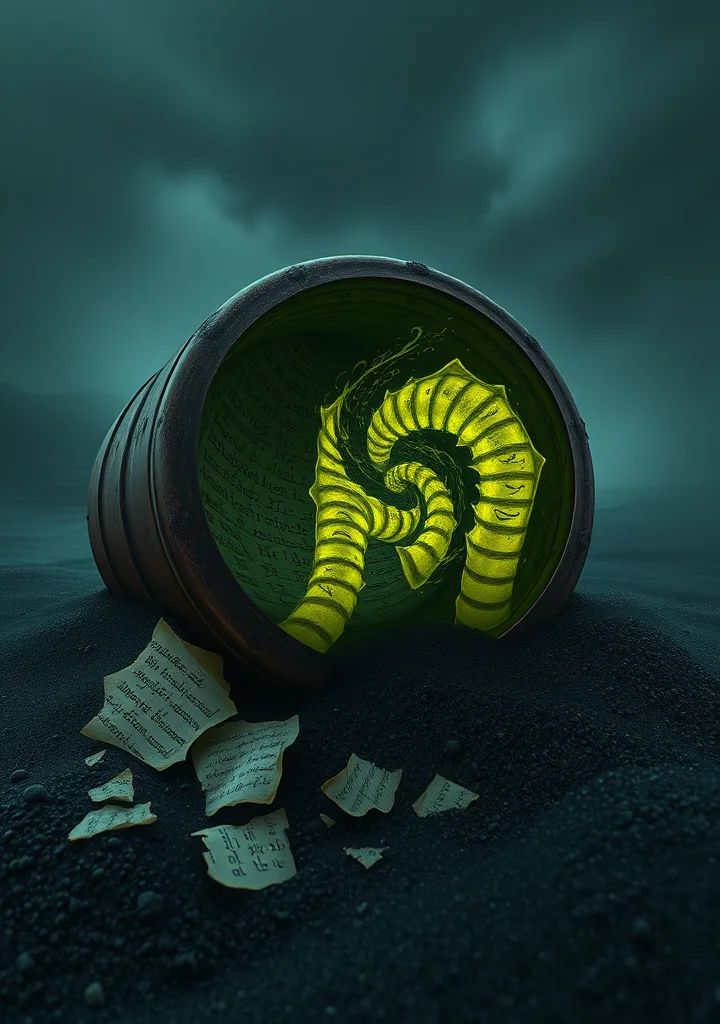
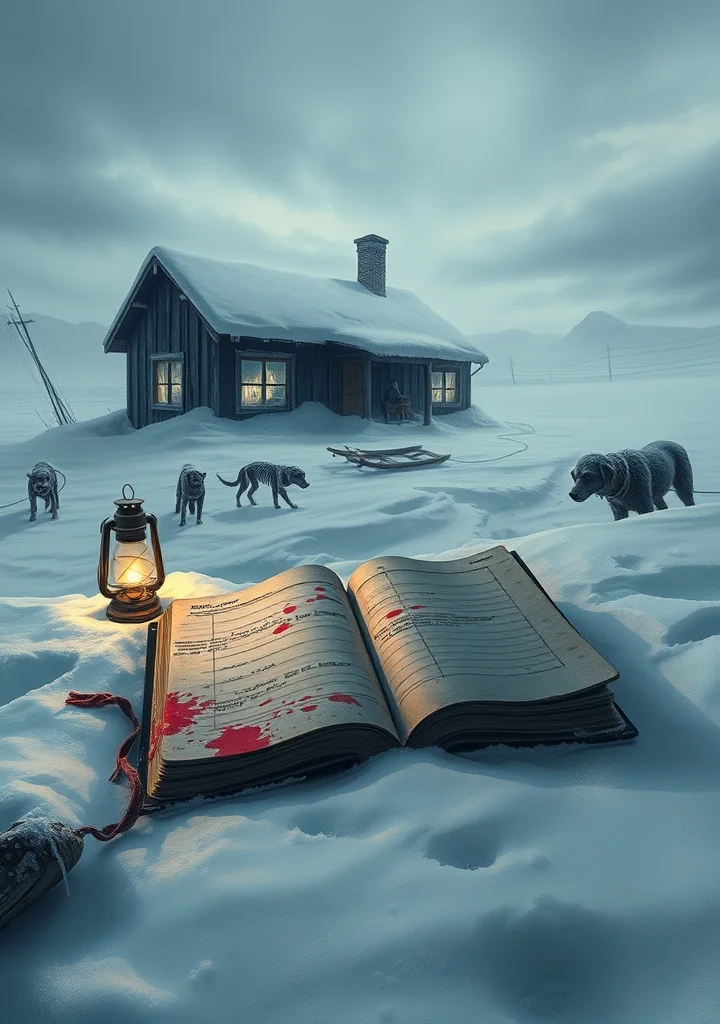
The salt-laced air hangs thick with the scent of decay, mirroring the crumbling timbers of the Nova Scotian fishing village where the tale unfolds. A chilling draught whispers through the narrative, born not of wind, but of the encroaching madness that clings to the manuscript’s pages. It’s a story pulled from the brine-soaked depths of memory, a fragmented confession unearthed within a sealed copper cylinder—a vessel seemingly designed to contain, not preserve, the horror within. The prose itself is feverish, a descent into delirium as the unnamed narrator recounts his journey aboard the *Aurora*, a vessel swallowed by the Arctic’s icy grip. Sunken hulls, phantom ships, and the spectral echoes of a doomed crew bleed into the present, blurring the lines between waking nightmare and frozen reality. A creeping dread permeates every passage, not from monstrous beasts or supernatural horrors, but from the insidious erosion of sanity, the slow unraveling of a man confronted by an impossible truth. The cylinder’s weight, the copper’s cold embrace—these become tangible elements of the narrative’s claustrophobia. The reader is submerged alongside the narrator, adrift on a sea of escalating terror, trapped within a narrative that threatens to consume all reason. It's a story less about what happened, and more about the fracturing of the mind *during* what happened—a descent into the black, echoing void where the Aurora vanished, and something monstrous returned with the thaw. The manuscript doesn’t offer answers, only the chilling certainty that some horrors are best left entombed in the ice, and within the corroded metal of a forgotten cylinder.
27 Part
The Welsh borderlands breathe with a chill older than stone, clinging to the shadowed valleys where the Solent family—a lineage steeped in lunar madness and the scent of peat—holds dominion. This is a land where the wolf howls not just in the wilderness, but within the very blood of men, a primal yearning mirrored in the restless tides of the Solent’s inheritance. A web of obsessions—for the land, for the spectral echoes of ancestors, for the forbidden bloom of passion—tightens around the young, impulsive Robert Solent. He is drawn into a vortex of ancestral dreams and the suffocating weight of his mother’s decaying grandeur. The narrative unravels like a fog-wreathed moor, steeped in the claustrophobic intensity of the Solent household. Every room whispers with the past; every glance carries the weight of inherited madness. The air is thick with the scent of decay, the rustle of secrets in long corridors, and the unnerving stillness of a world where the boundary between the living and the dead is porous, worn thin by generations of ritual and grief. Robert’s awakening is not a blossoming, but an exposure—to the raw, unbridled forces of nature, to the suffocating embrace of his mother’s grief, and to a darkness that stirs within him, mirroring the wild, untamed landscapes he is bound to inherit. The story coils inward, suffocating in its own verdant, shadowed depths, a haunting meditation on the inheritance of obsession and the wolf-hunger that gnaws at the heart of the Solent line.