
-
Read 433
-
0
-
Part 27
Completed, First published Mar 02, 2026
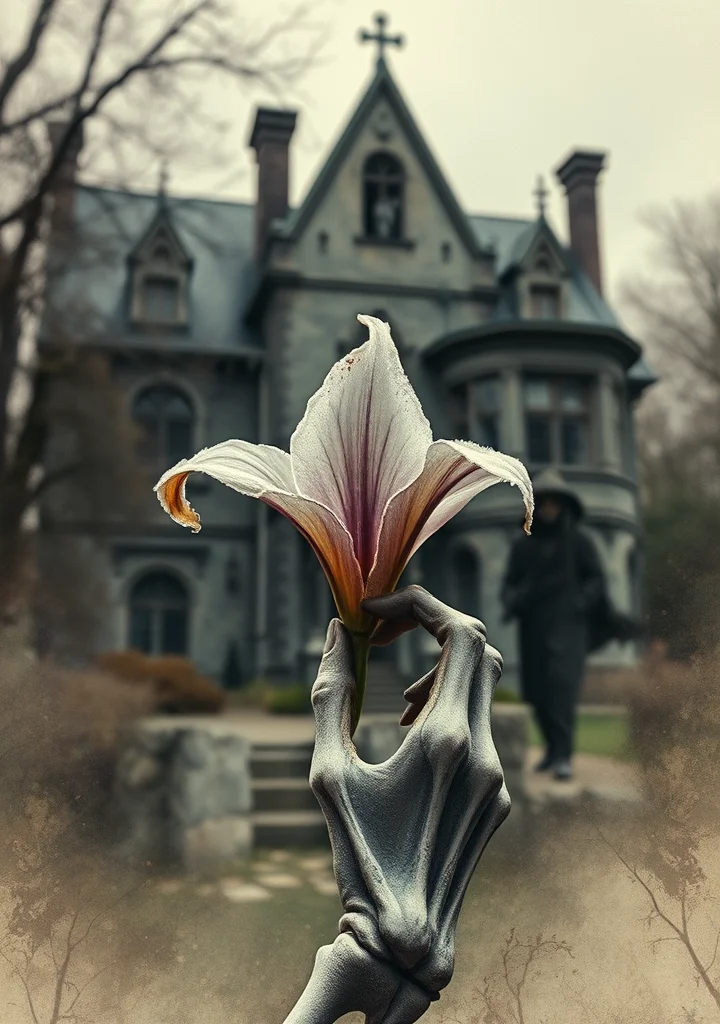
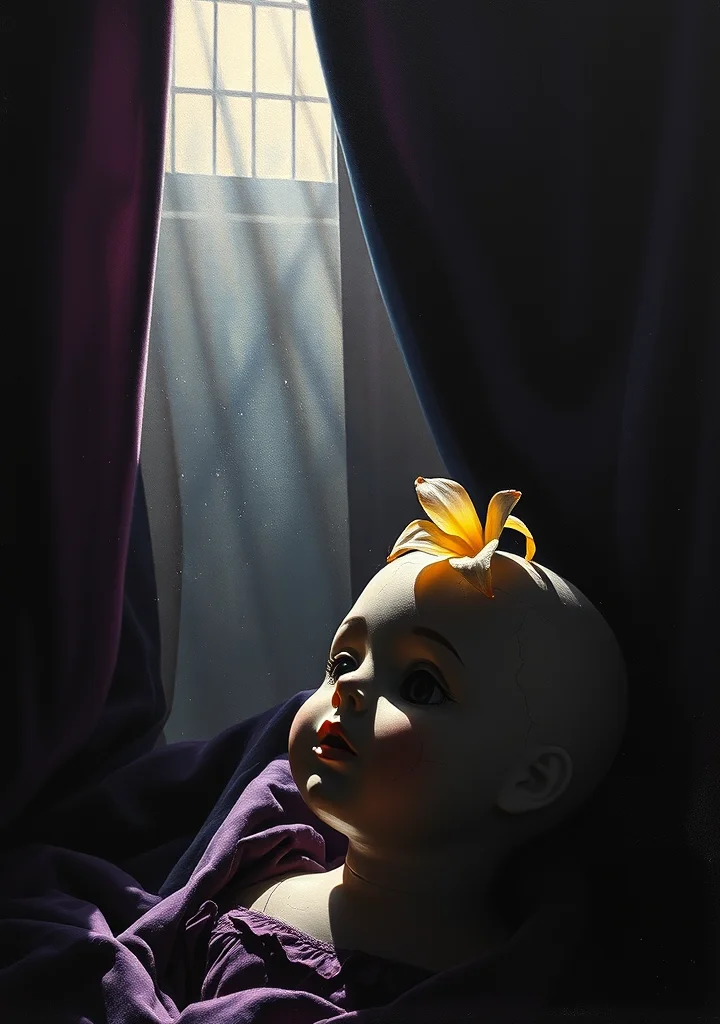
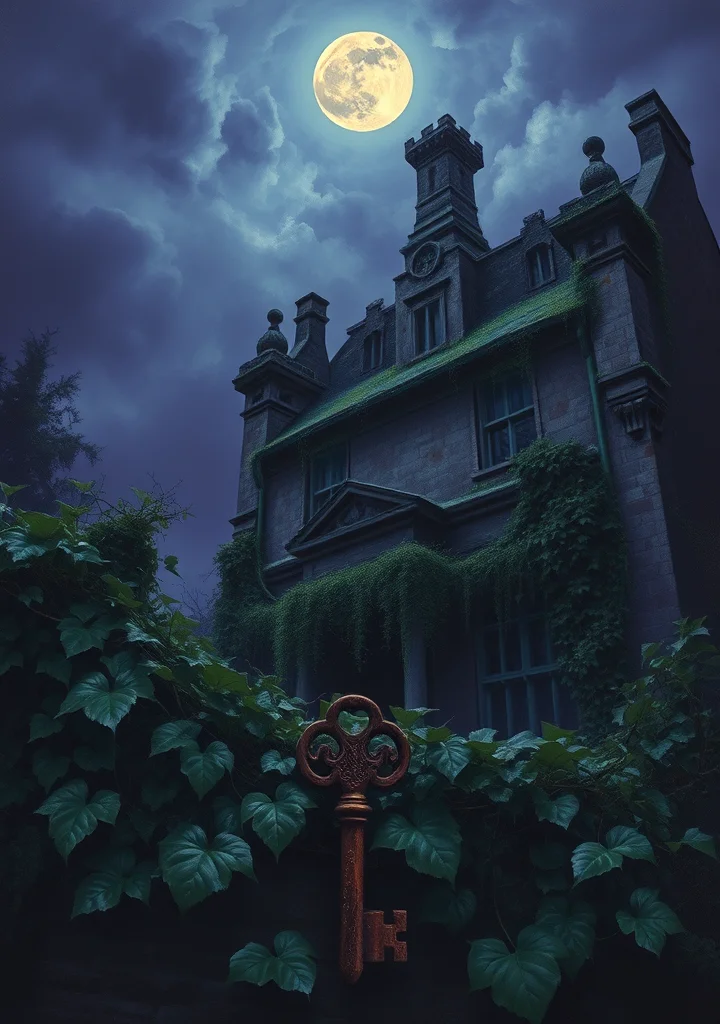
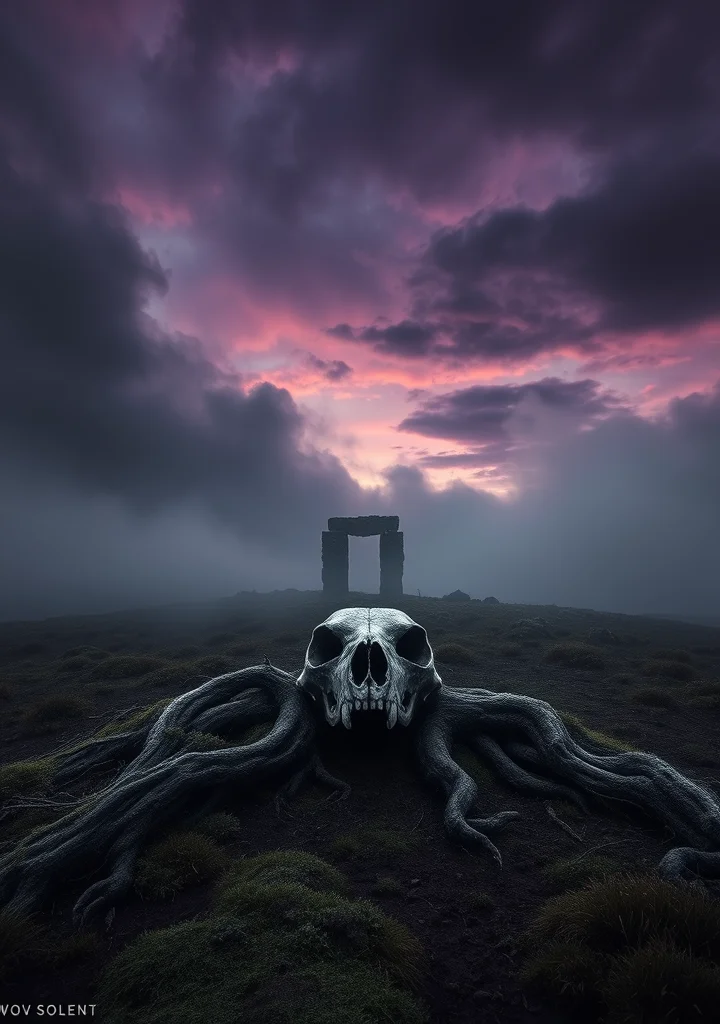
The Welsh borderlands breathe with a chill older than stone, clinging to the shadowed valleys where the Solent family—a lineage steeped in lunar madness and the scent of peat—holds dominion. This is a land where the wolf howls not just in the wilderness, but within the very blood of men, a primal yearning mirrored in the restless tides of the Solent’s inheritance. A web of obsessions—for the land, for the spectral echoes of ancestors, for the forbidden bloom of passion—tightens around the young, impulsive Robert Solent. He is drawn into a vortex of ancestral dreams and the suffocating weight of his mother’s decaying grandeur.
The narrative unravels like a fog-wreathed moor, steeped in the claustrophobic intensity of the Solent household. Every room whispers with the past; every glance carries the weight of inherited madness. The air is thick with the scent of decay, the rustle of secrets in long corridors, and the unnerving stillness of a world where the boundary between the living and the dead is porous, worn thin by generations of ritual and grief. Robert’s awakening is not a blossoming, but an exposure—to the raw, unbridled forces of nature, to the suffocating embrace of his mother’s grief, and to a darkness that stirs within him, mirroring the wild, untamed landscapes he is bound to inherit. The story coils inward, suffocating in its own verdant, shadowed depths, a haunting meditation on the inheritance of obsession and the wolf-hunger that gnaws at the heart of the Solent line.
Copyright: Public Domain
This license allows anyone to use your story for any purpose, including printing, selling, or adapting it into a film freely.
This license allows anyone to use your story for any purpose, including printing, selling, or adapting it into a film freely.
Chapter List
-
« Wolf Solent »📖 Continue Reading
-
« Chapter_3 »
-
« The Face on the Waterloo Steps »
-
« “Christ! I’ve Had a Happy Life!” »
-
« A Dorset Chronicle »
-
« Gerda »
-
« The Blackbird’s Song »
-
« Bar Sinister »
-
« Yellow Bracken »
-
« The Three Peewits »
-
« The Horse-Fair »
-
« Christie »
-
« The Tea-Party »
-
« The Slowworm of Lenty »
-
« Home for Bastards »
-
« Crooked Smoke »
-
« Rounded with a Sleep »
-
« A Game of Bowls »
-
« “This Is Reality” »
-
« The School-Treat »
-
« Wine »
-
« Mr.Malakite at Weymouth »
-
« Slate »
-
« The Quick or the Dead? »
-
« Lenty Pond »
-
« “Forget” »
-
« Ripeness Is All »
27
-
« Wolf Solent »
-
« Chapter_3 »
-
« The Face on the Waterloo Steps »
-
« “Christ! I’ve Had a Happy Life!” »
-
« A Dorset Chronicle »
-
« Gerda »
-
« The Blackbird’s Song »
-
« Bar Sinister »
-
« Yellow Bracken »
-
« The Three Peewits »
-
« The Horse-Fair »
-
« Christie »
-
« The Tea-Party »
-
« The Slowworm of Lenty »
-
« Home for Bastards »
-
« Crooked Smoke »
-
« Rounded with a Sleep »
-
« A Game of Bowls »
-
« “This Is Reality” »
-
« The School-Treat »
-
« Wine »
-
« Mr.Malakite at Weymouth »
-
« Slate »
-
« The Quick or the Dead? »
-
« Lenty Pond »
-
« “Forget” »
-
« Ripeness Is All »
More like this