
-
Read 661
-
0
-
Part 40
Completed, First published Mar 02, 2026
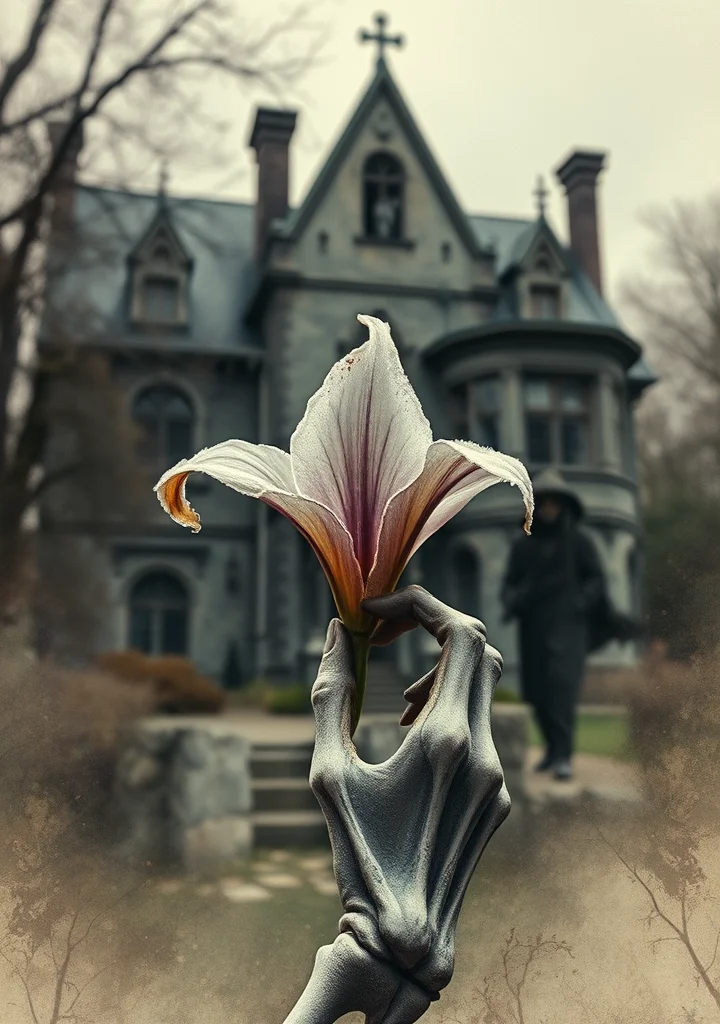
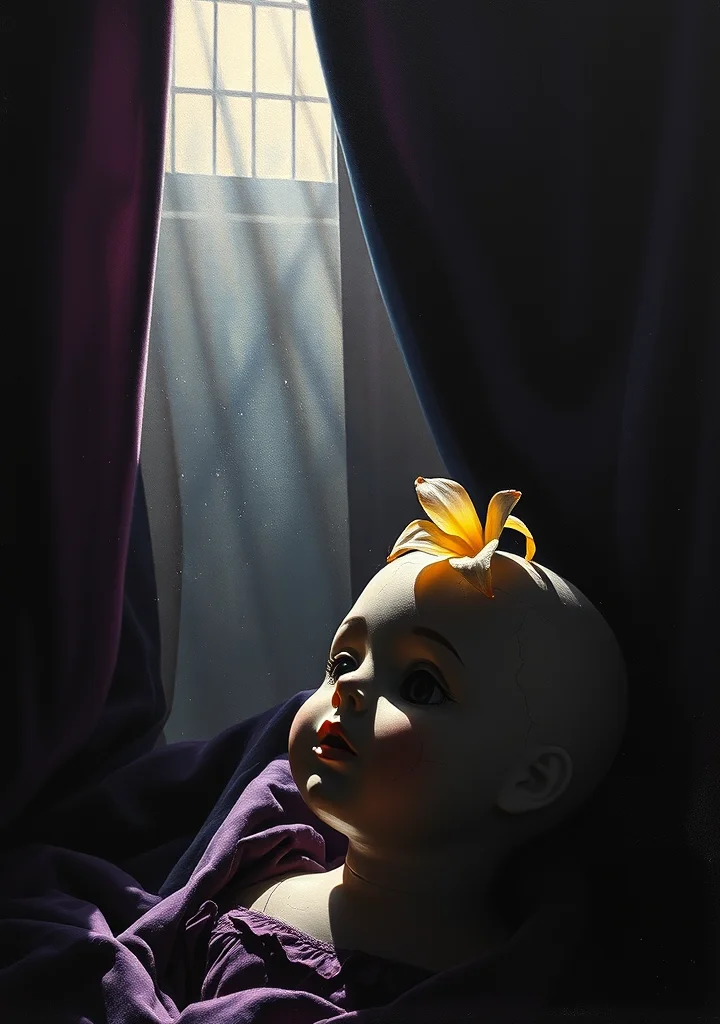
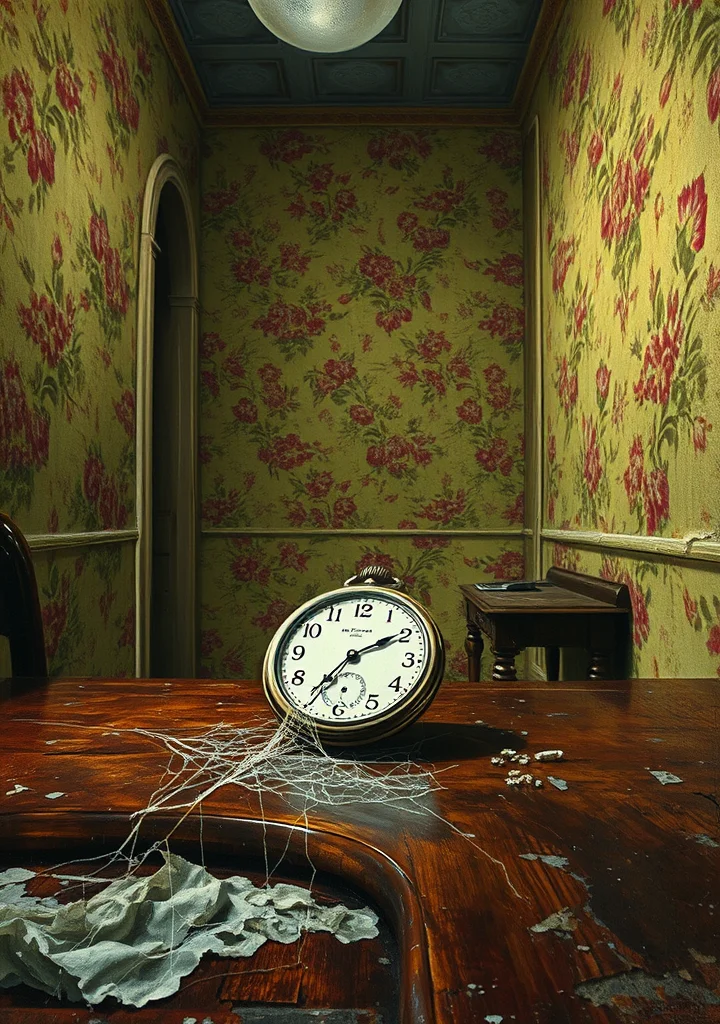
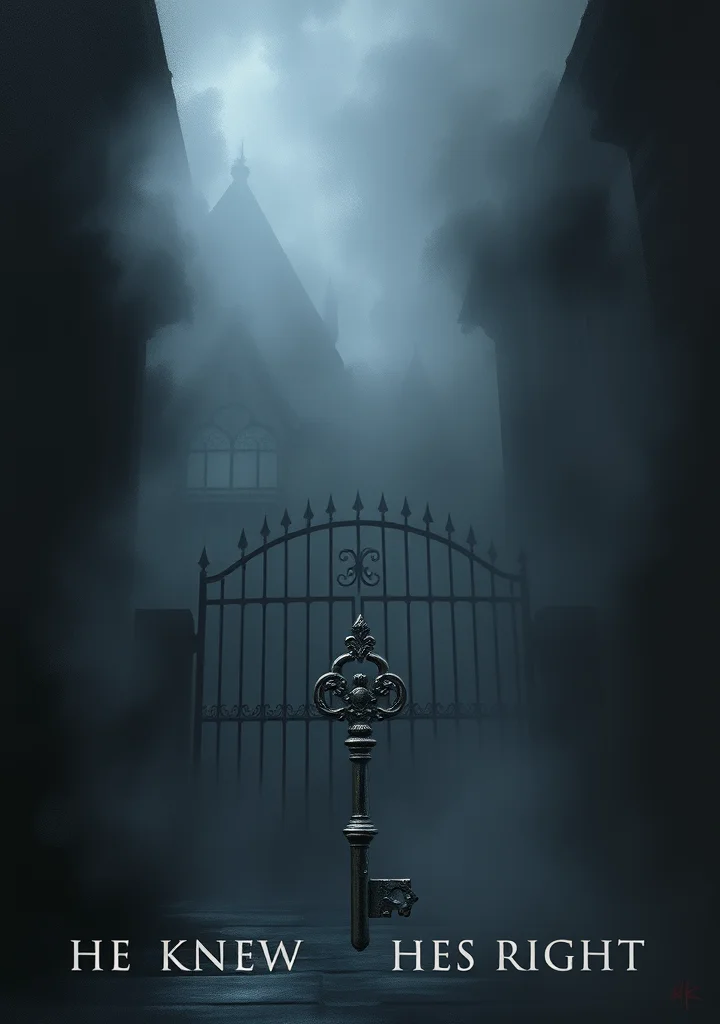
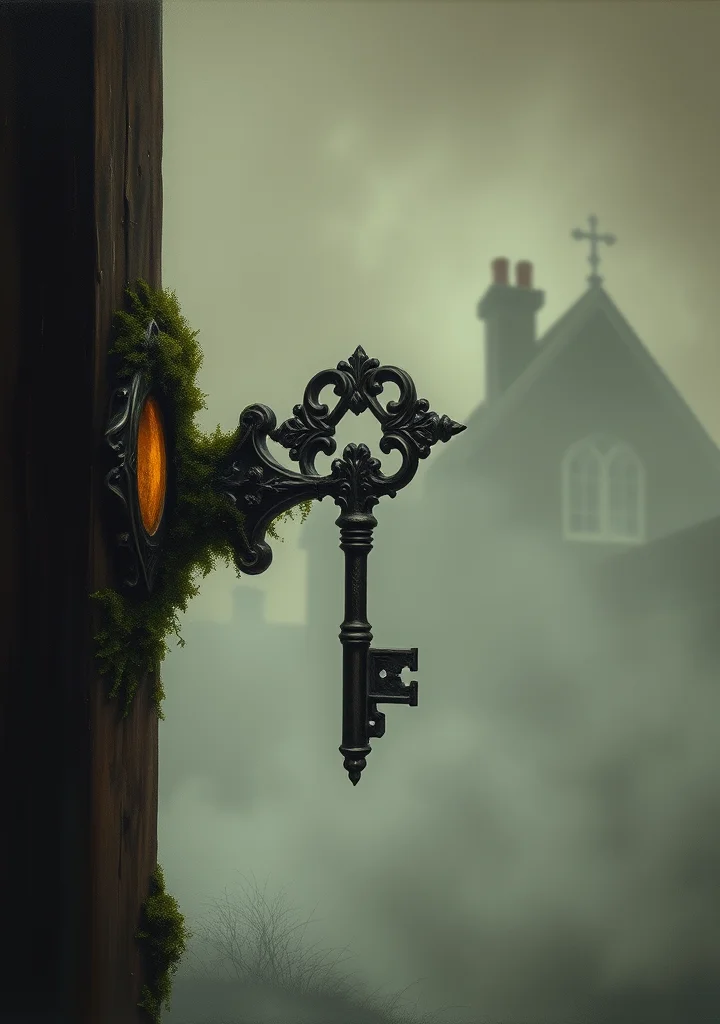
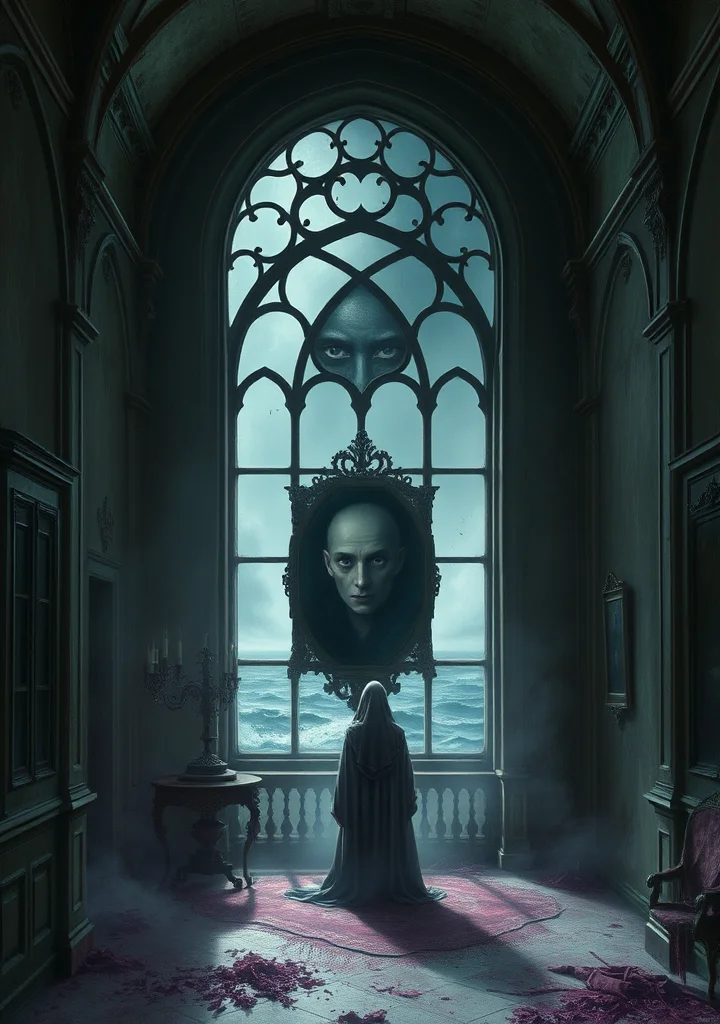
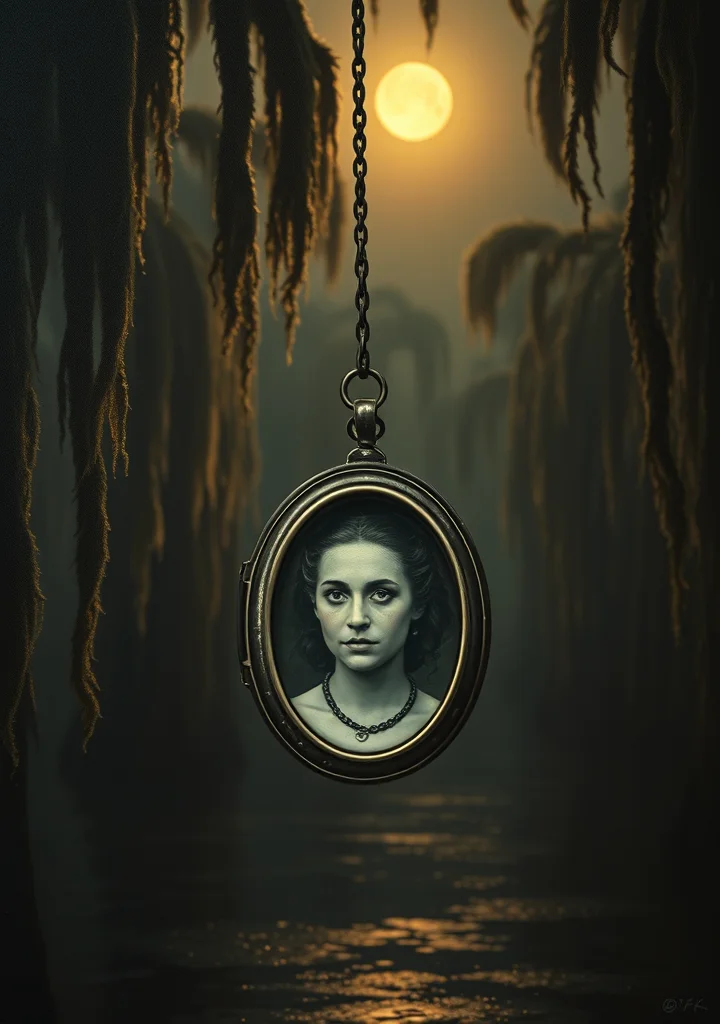
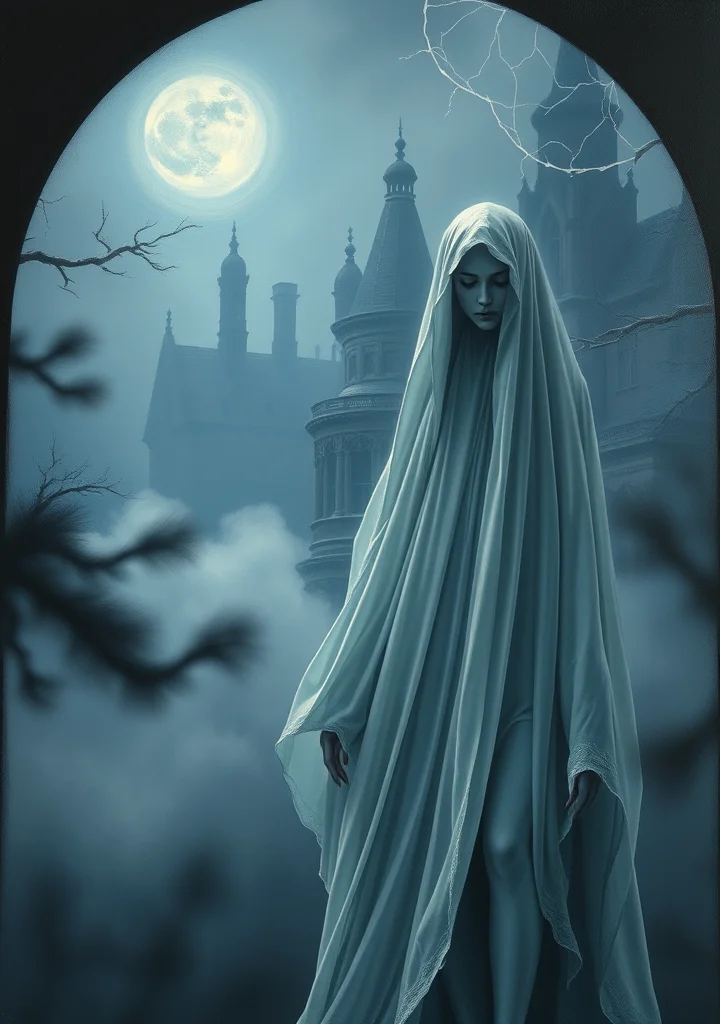
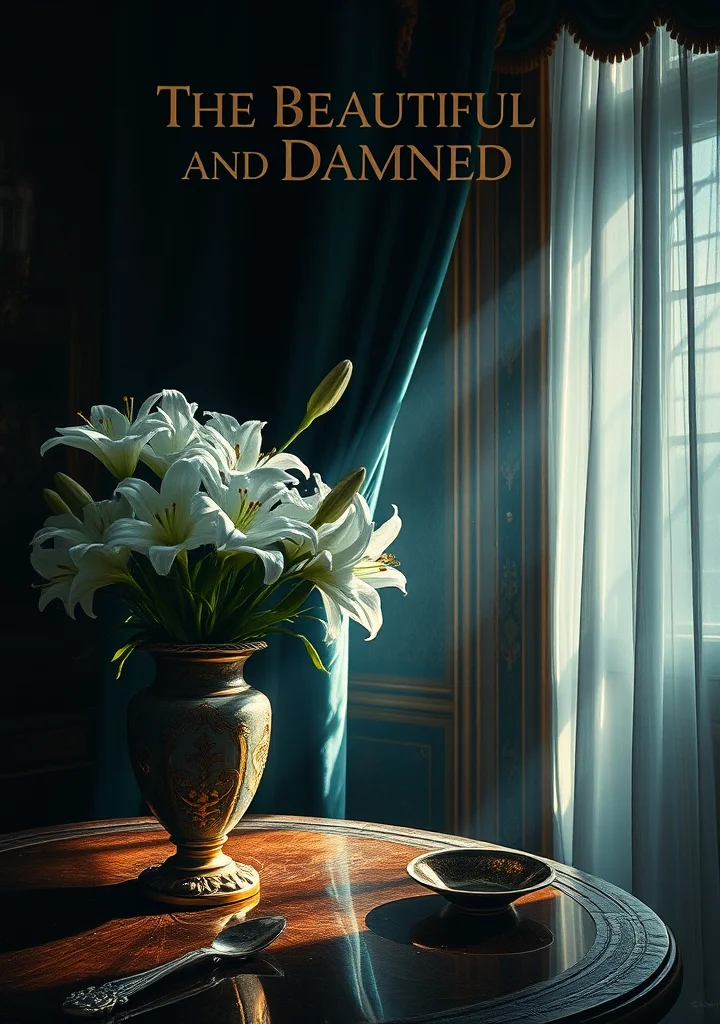
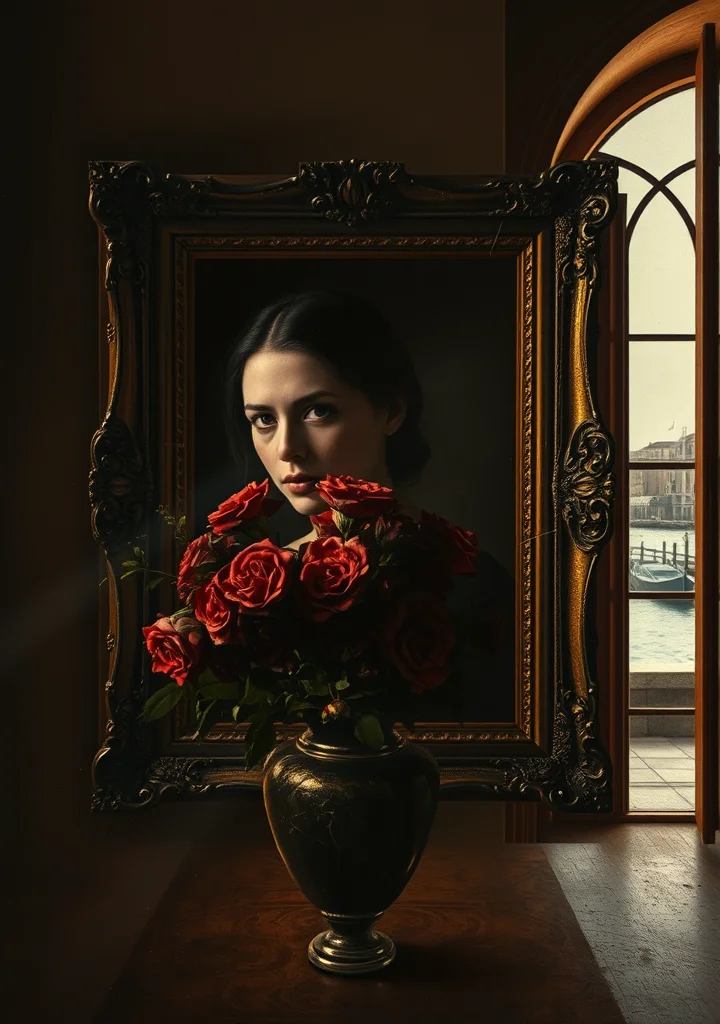
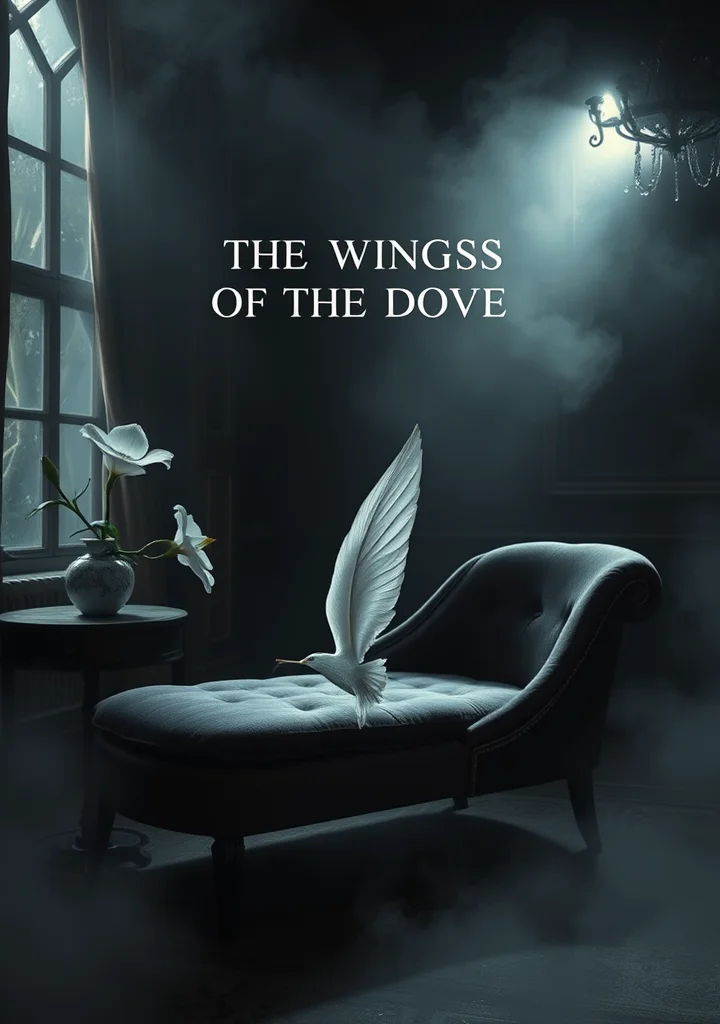
A London fog clings to the consciousness as tightly as the secrets within the Worthingtons’ decaying Mayfair townhouse. This is a story steeped in the sickly sweetness of regret, where shadows lengthen with each whispered confession and the scent of dying lilies hangs heavy in the air. The narrative coils around a dying heiress, Catherine, a creature of fragile beauty and suffocating piety, whose final days become a vortex for the desires and deceits of those orbiting her dwindling flame.
A stifling domesticity breeds a desperate hunger for connection, a yearning masked by polite conversation and shadowed glances. The air vibrates with unacknowledged needs – a crippled barrister's ambition, a lovelorn doctor’s despair, a calculating suitor's cold calculation. Each character is a moth drawn to Catherine’s incandescent, yet fading, light, only to find themselves consumed by the moral rot beneath the polished veneer of their lives.
The story unfolds not as a dramatic rush, but as a slow, suffocating erosion of faith, a descent into the claustrophobia of unspoken desires. The very architecture of the house feels oppressive, mirroring the constraints placed upon these characters by duty, expectation, and the weight of their own concealed longings. It is a haunting portrait of sacrifice and betrayal, where the wings of the dove – a symbol of fragile innocence – are ultimately clipped by the sharp realities of a world defined by its compromises. The narrative breathes with the damp chill of inevitability, leaving the reader immersed in the suffocating stillness of a life quietly extinguished.
Copyright: Public Domain
This license allows anyone to use your story for any purpose, including printing, selling, or adapting it into a film freely.
This license allows anyone to use your story for any purpose, including printing, selling, or adapting it into a film freely.
Chapter List
-
« The Wings of the Dove »📖 Continue Reading
-
« Preface »
-
« The Wings of the Dove »
-
« I »
-
« II »
-
« I »
-
« II »
-
« I »
-
« II »
-
« I »
-
« II »
-
« III »
-
« I »
-
« II »
-
« III »
-
« IV »
-
« V »
-
« VI »
-
« VII »
-
« I »
-
« II »
-
« III »
-
« IV »
-
« V »
-
« I »
-
« II »
-
« III »
-
« IV »
-
« I »
-
« II »
-
« III »
-
« I »
-
« II »
-
« III »
-
« IV »
-
« I »
-
« II »
-
« III »
-
« IV »
-
« V »
40
-
« The Wings of the Dove »
-
« Preface »
-
« The Wings of the Dove »
-
« I »
-
« II »
-
« I »
-
« II »
-
« I »
-
« II »
-
« I »
-
« II »
-
« III »
-
« I »
-
« II »
-
« III »
-
« IV »
-
« V »
-
« VI »
-
« VII »
-
« I »
-
« II »
-
« III »
-
« IV »
-
« V »
-
« I »
-
« II »
-
« III »
-
« IV »
-
« I »
-
« II »
-
« III »
-
« I »
-
« II »
-
« III »
-
« IV »
-
« I »
-
« II »
-
« III »
-
« IV »
-
« V »
More like this