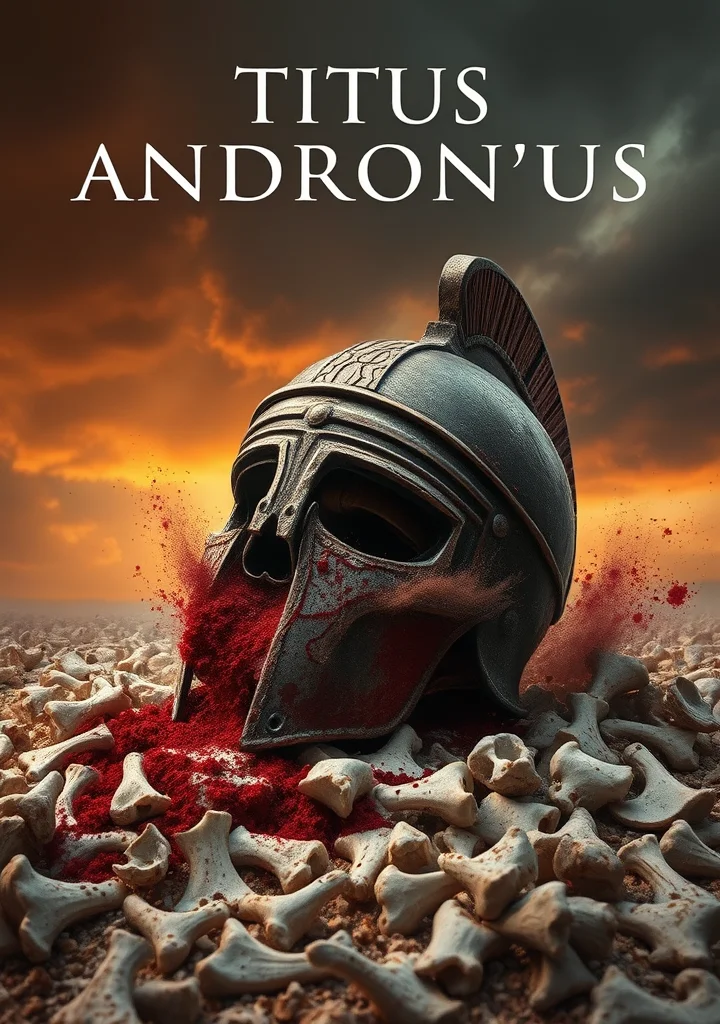

Titus Andronicus
  • 141
  • 0
  • 21
  • Reads 141
  • 0
  • Part 21
Completed, First published Mar 02, 2026

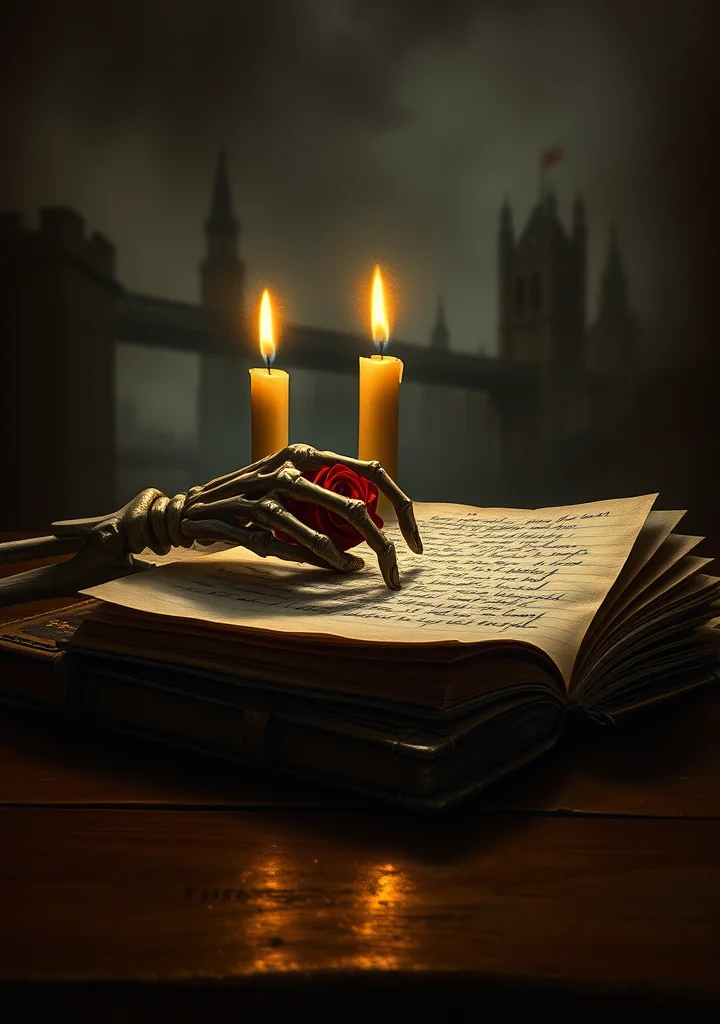
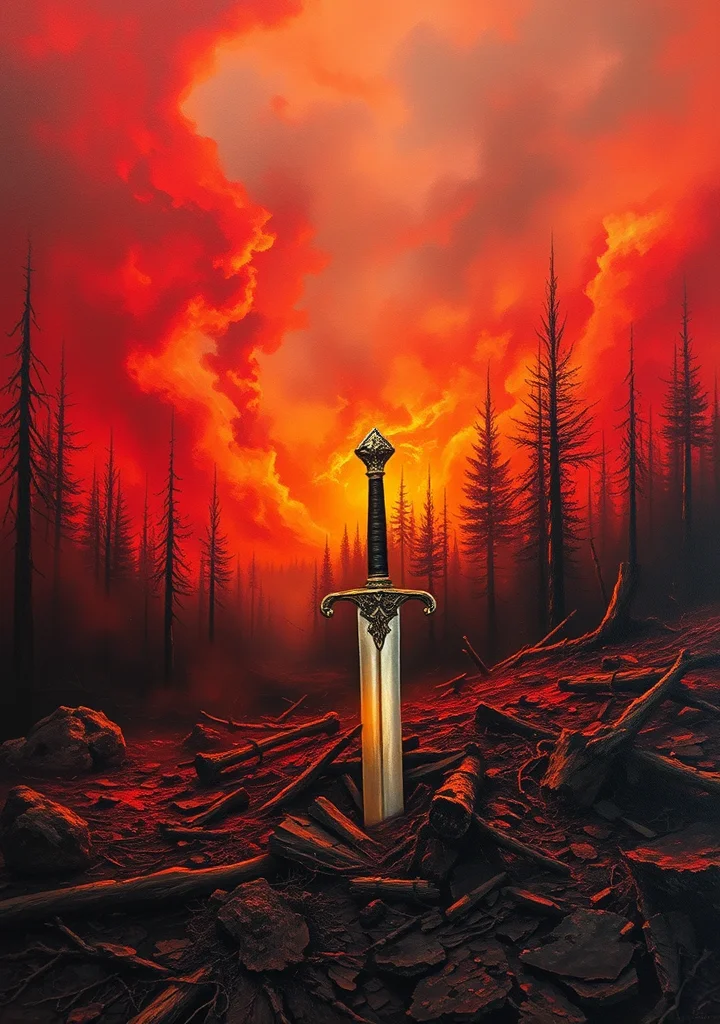
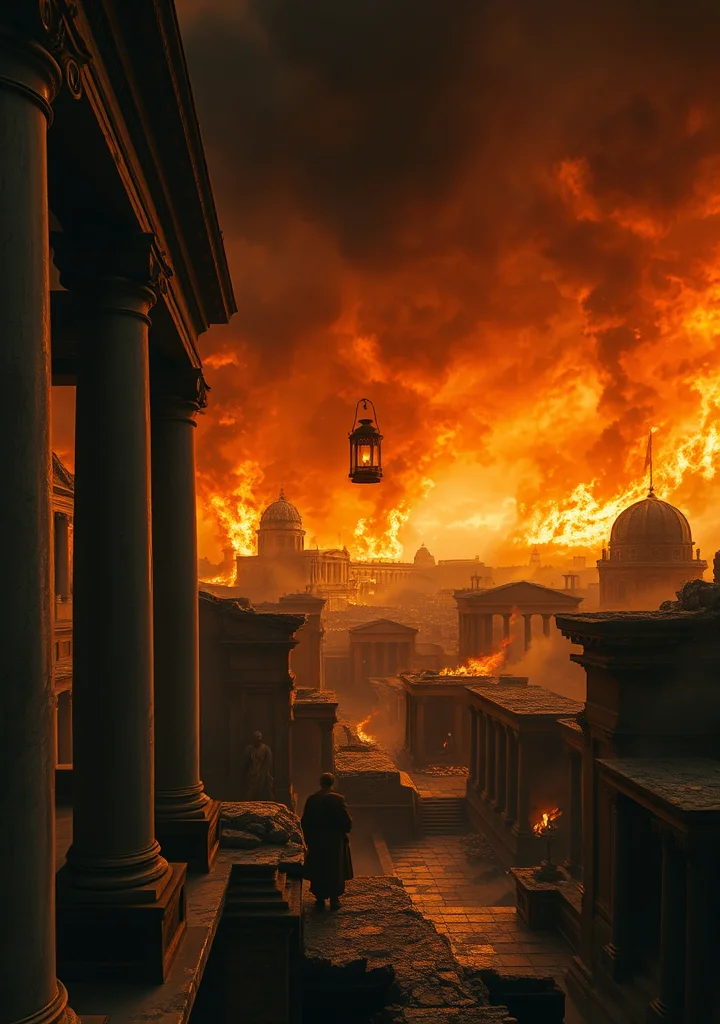
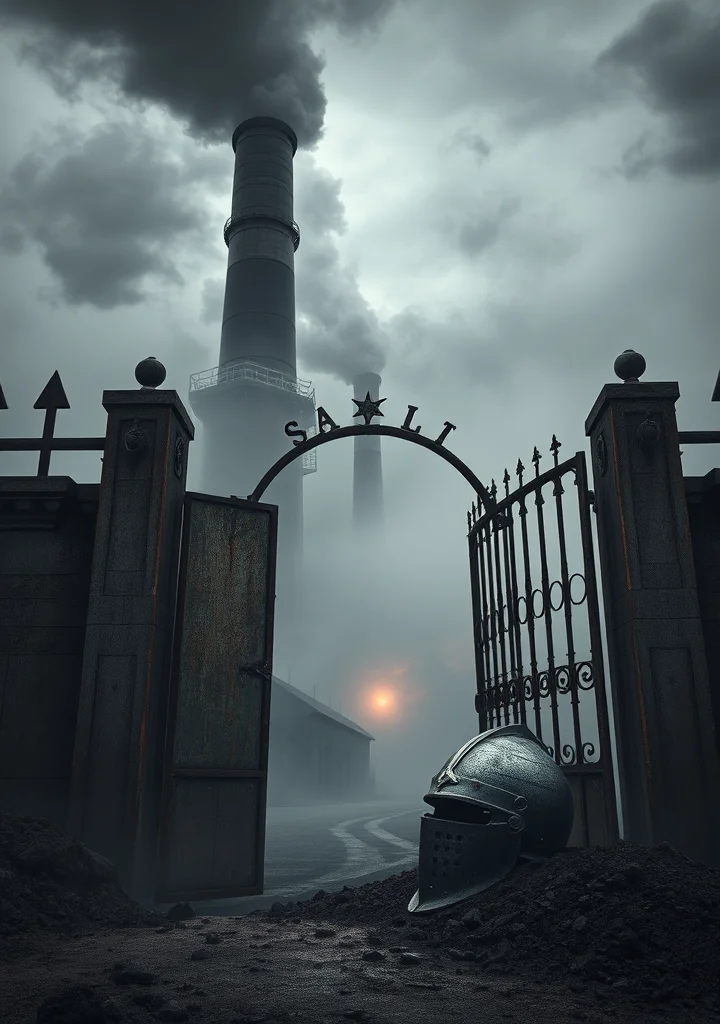
A crimson tide of vengeance stains the Roman earth. Within the crumbling grandeur of a fallen empire, shadows writhe with the scent of spilled blood and the echoes of fractured oaths. The air hangs thick with the dust of betrayal, each breath a rasp against a throat choked with grief. This is not merely a tale of retribution, but a descent into the heart of darkness where barbarity masquerades as justice. The sun bleeds a sickly ochre over the battlefields where sons become butchers, and daughters are bartered as spoils of war. Walls whisper with the screams of the violated, and the very stones seem to weep with the weight of atrocities committed under a sky devoid of mercy. A labyrinth of madness unfolds, woven with the threads of ambition and fueled by the ravenous hunger for revenge. Each act of cruelty births another, spiraling down into a vortex of escalating horrors where the lines between victim and tormentor blur into an indistinguishable grey. The scent of iron clings to every breath, the taste of ash coats the tongue, and the specter of loss haunts every shadowed corner. This is a Rome consumed by its own savagery, a testament to the monstrous depths that lie dormant within the human soul, awakened by the lust for blood and the chilling promise of a final, agonizing reckoning. A darkness that will leave you haunted long after the last line has fallen into silence.


Copyright: Public Domain
This license allows anyone to use your story for any purpose, including printing, selling, or adapting it into a film freely.
Recommended for you
2014 Part
A chill wind whispers through sun-bleached Spanish ruins, carrying the scent of brine and decay. Don Juan is not merely a man, but a shadow stretched long across a continent, a fever dream of indulgence and disillusionment. His journey is one of restless flight, not from justice, but from the suffocating weight of a world built on hypocrisy. Each port, each encounter, peels back another layer of gilded rot, revealing a darkness that clings to him like the salt spray on a decaying mast. The narrative unravels through fractured confessions, a labyrinth of wit and weariness where cynicism blooms like night-blooming cereus. Every smile is a reprieve from a deeper, unspoken grief; every embrace, a fleeting warmth against an encroaching cold. The Mediterranean burns with a feverish brilliance, mirroring the protagonist’s own self-consuming passions, while the echoes of battles – both won and lost – resonate in the hollow chambers of his heart. He drifts through aristocratic salons and Moorish harems, a phantom observer caught between desire and despair. The sea itself seems to conspire with his melancholic fate, drawing him towards a horizon perpetually shrouded in mist. His is a tale of exquisite ruin, where beauty and brutality intertwine, leaving the reader adrift in a sea of unanswered questions and the lingering scent of jasmine and gunpowder. A perpetual twilight clings to his existence, a haunting reminder that even the most dazzling brilliance casts the longest shadows.
72 Part
The air hangs thick with the scent of decay and damp earth within the crumbling chateau of Clerambault. Here, amidst shadowed corridors and portraits whose eyes seem to follow your every move, a man named Jean, haunted by a past he cannot escape, wages a silent war against his own fracturing mind. The estate itself is a character—a labyrinthine monument to a noble lineage crumbling under the weight of inherited madness and suffocating isolation. Rolland weaves a suffocating atmosphere of psychological torment, where the boundaries between reality and delusion blur with each echoing footstep. Jean's descent is not marked by dramatic outbursts, but by a creeping, insidious unraveling—a quiet rot consuming him from within. The oppressive weight of family history, the suffocating expectations of his ancestral home, and the insidious whispers of his own internal demons create a sense of dread that clings to the reader like a shroud. Sunlight rarely penetrates the overgrown gardens or the dust-veiled windows, lending the narrative a perpetual twilight. Every creaking floorboard, every rustle of leaves, is imbued with a sinister significance. The true horror isn’t found in specters or ghouls, but in the slow, agonizing disintegration of a man’s sanity, witnessed through the fractured lens of his own unreliable perception. It is a story steeped in the melancholic beauty of ruin, a haunting meditation on the fragility of the self, and the suffocating power of memory.