
-
Read 360
-
0
-
Part 27
Completed, First published Mar 02, 2026
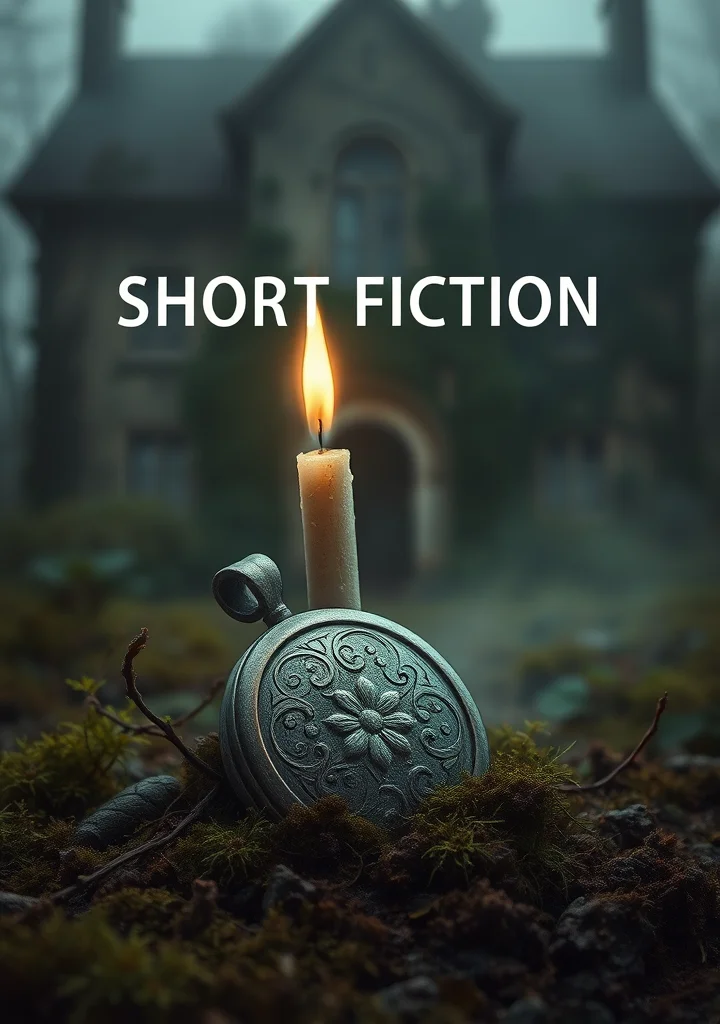
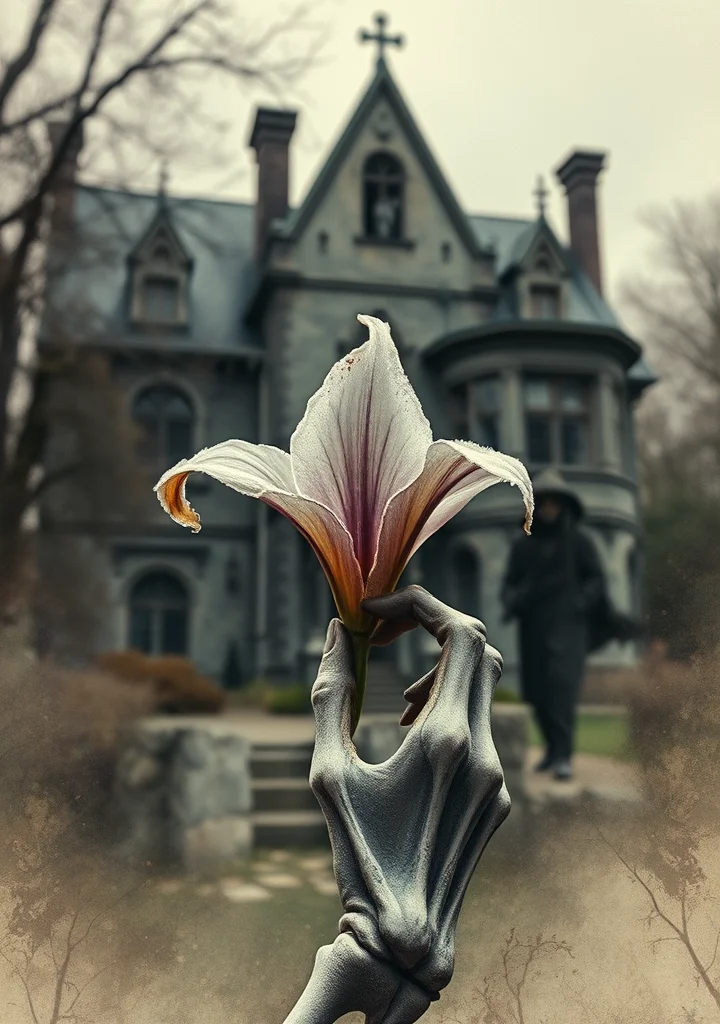
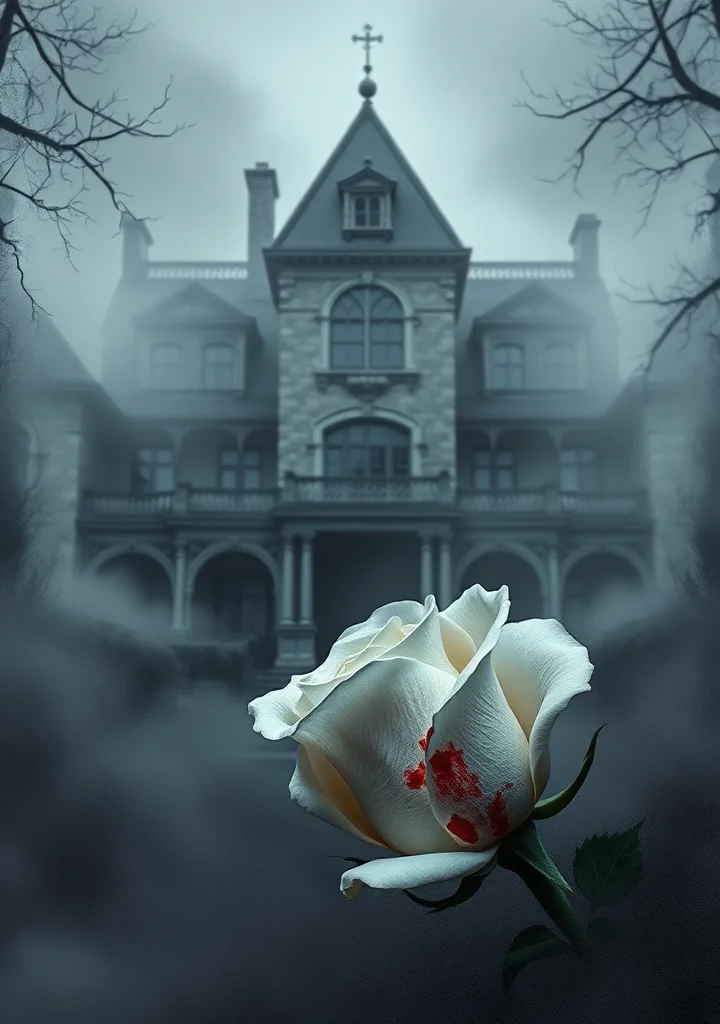
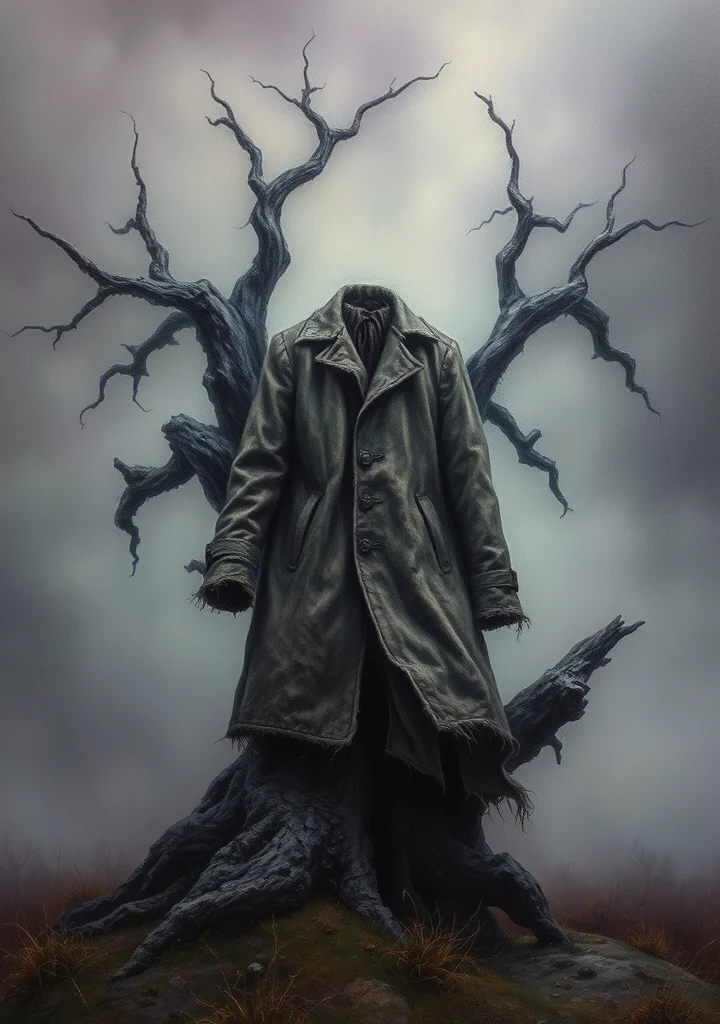
A creeping dread clings to the Yorkshire moors, mirroring the suffocating inheritance that binds young Arthur Fenwick to the decaying estate of Carr. The fog-drenched landscape breathes with a spectral chill, mirroring the ancestral coat – a garment steeped in the madness of a forgotten lineage. Within its wool, a history of shadowed pacts and suffocated desires whispers, slowly unraveling Arthur’s sanity as he becomes entangled in its morbid legacy. Every rustle of the heather, every howl of the wind, feels less a natural occurrence than the mournful sigh of Carr’s rotting heart. The narrative unfurls as a slow poisoning, not of the body, but of the mind, with the coat itself acting as a conduit to the spectral world of the Fenwick ancestors. A suffocating claustrophobia descends, born not of physical confinement, but of the inescapable weight of the past. The air thickens with a melancholy that clings to the stone walls and bleeds into the very soil, as Arthur’s descent into obsession becomes indistinguishable from the unraveling of Carr itself. The boundaries between the living and the dead blur, leaving only a lingering sense of decay and the chilling premonition that something unspeakable is waiting to be claimed by the nebuly coat’s embrace.
Copyright: Public Domain
This license allows anyone to use your story for any purpose, including printing, selling, or adapting it into a film freely.
This license allows anyone to use your story for any purpose, including printing, selling, or adapting it into a film freely.
Chapter List
-
« The Nebuly Coat »📖 Continue Reading
-
« Chapter_3 »
-
« I »
-
« II »
-
« III »
-
« IV »
-
« V »
-
« VI »
-
« VII »
-
« VIII »
-
« IX »
-
« X »
-
« XI »
-
« XII »
-
« XIII »
-
« XIV »
-
« XV »
-
« XVI »
-
« XVII »
-
« XVIII »
-
« XIX »
-
« XX »
-
« XXI »
-
« XXII »
-
« XXIII »
-
« Epilogue »
-
« Tunes Played by the Chimes ofSt.Sepulchre’s Church at Cullerne »
More like this