
The Revolution in Tanner’s Lane
  • 217
  • 0
  • 31
  • Reads 217
  • 0
  • Part 31
Completed, First published Mar 02, 2026

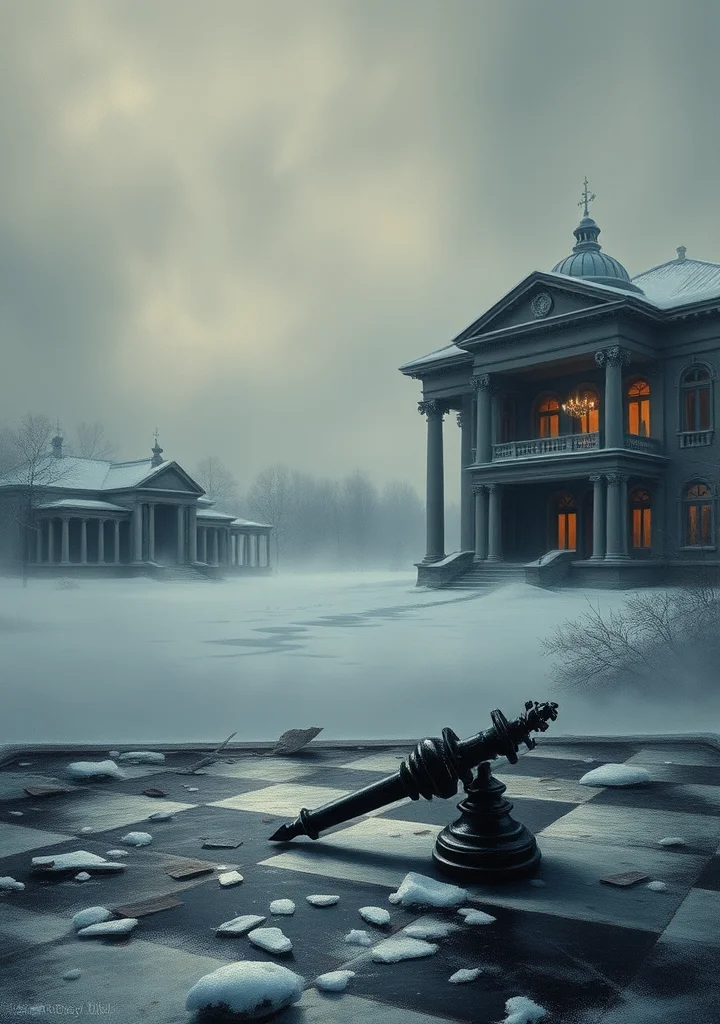
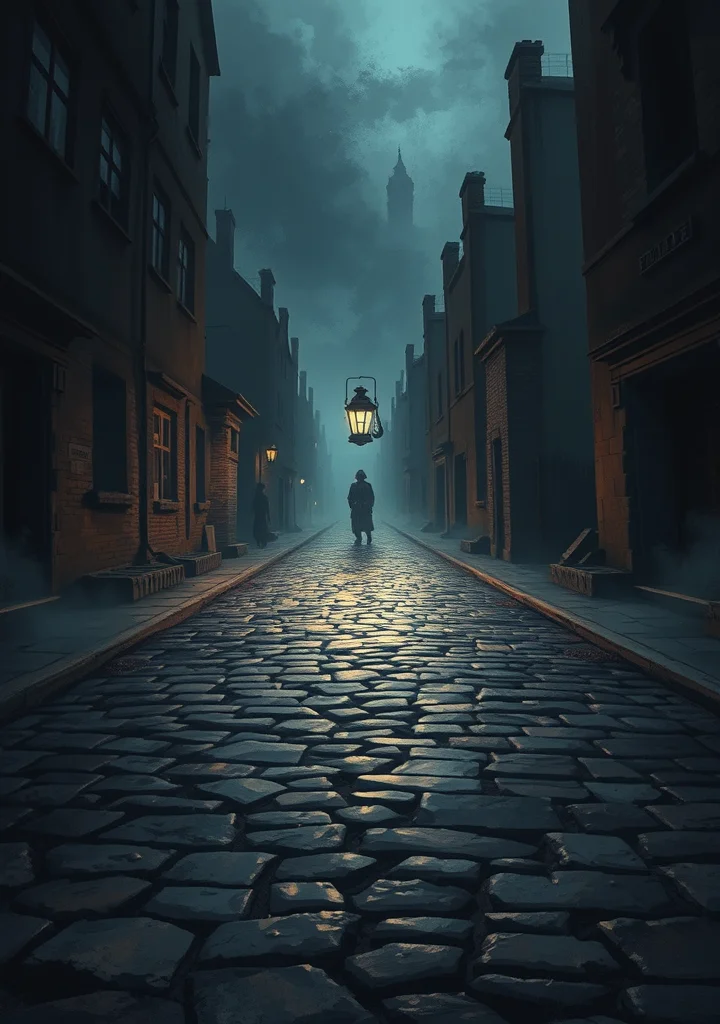
A suffocating fog clings to Tanner’s Lane, mirroring the miasma of discontent festering within the hearts of its inhabitants. Rutherford’s narrative unfolds not as a burst of rebellion, but as a slow, creeping rot – a damp, insidious decay of faith and loyalty. The air hangs thick with the scent of coal smoke and simmering resentment, each brick-worn building a silent witness to fractured promises. We are drawn into a world of shadowed parlors, where whispers of dissent curl around the flickering gaslight, and the very stones seem to absorb the bitterness of the working man. It isn’t the clash of barricades that dominates, but the claustrophobic tension of hushed meetings, the weight of unspoken grievances, and the gnawing fear of betrayal. The revolution here is not a grand spectacle, but a quiet fracturing of souls, a descent into a moral darkness as oppressive as the London smog. Every character is haunted by the echo of their own complicity, bound to the lane and its suffocating secrets by the iron chains of need and circumstance. The narrative seeps into the very marrow of the lane, leaving a residue of despair and the chilling premonition that something irrevocably broken lies beneath the cobbled streets.
Copyright: Public Domain
This license allows anyone to use your story for any purpose, including printing, selling, or adapting it into a film freely.
Recommended for you
12 Part
Dust motes dance in the perpetual twilight of the Leblanc estate, a crumbling manor where shadows cling to velvet draperies like mourners. Within its suffocating embrace, a lineage steeped in melancholic ritual unravels with each chime of the ancestral clock—a morbid heartbeat marking eight generations consumed by a singular, insidious obsession. The narrative bleeds into the very stone of the house, a slow corruption mirroring the decline of the family’s sanity. Each stroke of the clock doesn't measure time, but the fracturing of a soul, the unraveling of a legacy built on stolen breaths and whispered bargains with the encroaching darkness. A suffocating atmosphere of decay permeates every page, thick with the scent of wormwood and regret. The story unfolds through fragmented letters, fevered diary entries, and the increasingly erratic pronouncements of a caretaker haunted by echoes of the past. The estate itself becomes a character—a labyrinth of forgotten chambers and corridors where the air hangs heavy with unspoken horrors. The reader is drawn not towards resolution, but towards a descent into the heart of a madness that breeds in isolation, where the only true company is the relentless ticking of the clock and the chilling realization that the estate doesn't merely *contain* its ghosts—it *creates* them. The prose is a tapestry of dread, woven with the delicate threads of a family slowly dissolving into the very fabric of the house, swallowed by the echoes of eight strokes that herald not the hour, but oblivion.


148 Part
A creeping dread clings to the Dorset coast, a salt-laced miasma rising from the crumbling cliffs and shadowed coves. The village of Little Porthaven holds its secrets tight, woven into the very stone of its cottages and the mournful cry of the gulls. Old Man Tremaine, they say, died of the bread – not the eating of it, but the *making* of it. His final loaf, vast and swollen with a sickening sweetness, was found cooling on the sill, a grotesque parody of domestic comfort. But the bread wasn’t merely a final act. It was a symptom. A slow rot spreading through the Tremaine household, mirroring the insidious decay of the manor itself. Whispers of ancient pacts with the sea, of bargains struck with things best left undisturbed in the black depths, cling to the scent of yeast and flour. The new owners, the Harwoods, arrive seeking respite, unaware they’ve walked into a tomb already claimed. Each slice cut from the giant loaf seems to bleed a little more of the village’s history, staining the air with a cloying guilt. The scent of it clings to the fingers, to the linen, to the very thoughts of those who dare to taste it. It’s a flavor of loss, of forgotten gods, of a hunger that cannot be sated by mortal hands. The house itself breathes, exhaling the cold breath of something ancient and hungry. The shadows lengthen, not with the fall of dusk, but with the weight of the bread itself, pressing down on the living until they too, become part of its slow, suffocating bloom.
39 Part
Dust motes dance in the long, shadowed galleries of memory, mirroring the glacial drift of a nation’s ambition. This is not a tale of triumph, but of erosion – the slow, meticulous wearing away of a man against the granite indifference of time and progress. Henry Adams, adrift in a Boston steeped in fading grandeur, observes the brutal calculus of a world remade by steam and steel. He is a witness to the cataclysm of the American soul, where the gilded age is less a celebration and more a mausoleum of vanished dynasties. The narrative unfolds as a series of fragmented relics, a collection of portraits in shadow, each face a testament to the futility of human design against the encroaching forces of entropy. A chill permeates the salons and train cars alike, a sense of inevitability that clings to the very stone of Washington. The weight of history, the burden of an inherited past, presses down on Adams, suffocating him in the suffocating elegance of a civilization already decaying from the core. He moves through the ruins of his own lineage, haunted by the specters of fathers and their forgotten gods, as the new idols of industry rise on foundations of ash and ambition. The air is thick with regret, with the phantom scent of lost fortunes and broken promises. It is a study in decay, rendered in the cold, precise light of a man who understands that even the most magnificent structures are ultimately destined to crumble into dust.