
-
Read 504
-
0
-
Part 42
Completed, First published Mar 02, 2026
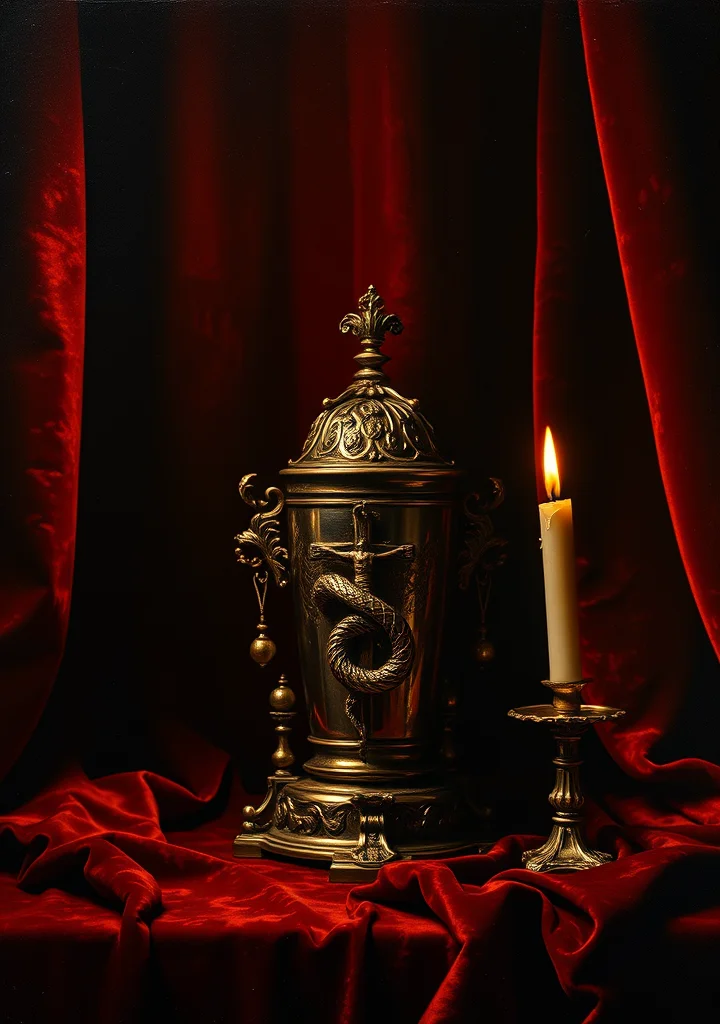
A creeping dread clings to the shadowed corners of Parisian households, where piety masks avarice and hypocrisy festers beneath gilded surfaces. Within the stifling air of ornate salons, a self-proclaimed holy man worms his way into the heart of a naive family, slowly suffocating their fortunes with whispered prayers and pious pronouncements. The scent of incense mixes with the rot of decaying morals, as the master of the house, blinded by false devotion, surrenders his estate—and his wife—to the velvet-tongued deceiver. Each act of charity is a tightening noose, each murmured blessing a stolen breath. The looming threat isn’t one of outright violence, but of a slow, insidious unraveling, a chilling erosion of reason and wealth under the guise of sanctity. A suffocating stillness permeates the narrative, punctuated only by the brittle laughter of those complicit in their own ruin, and the creeping suspicion that salvation itself has become a gilded cage. The air thickens with the scent of decay, not of flesh, but of faith twisted into a weapon, leaving the reader gasping in a suffocating darkness long after the final curtain falls.
Copyright: Public Domain
This license allows anyone to use your story for any purpose, including printing, selling, or adapting it into a film freely.
This license allows anyone to use your story for any purpose, including printing, selling, or adapting it into a film freely.
Chapter List
-
« Tartuffe »📖 Continue Reading
-
« Introductory Note »
-
« Dramatis Personae »
-
« Tartuffe »
-
« ActI »
-
« SceneI »
-
« SceneII »
-
« SceneIII »
-
« SceneIV »
-
« SceneV »
-
« SceneVI »
-
« ActII »
-
« SceneI »
-
« SceneII »
-
« SceneIII »
-
« SceneIV »
-
« ActIII »
-
« SceneI »
-
« SceneII »
-
« SceneIII »
-
« SceneIV »
-
« SceneV »
-
« SceneVI »
-
« SceneVII »
-
« ActIV »
-
« SceneI »
-
« SceneII »
-
« SceneIII »
-
« SceneIV »
-
« SceneV »
-
« SceneVI »
-
« SceneVII »
-
« SceneVIII »
-
« ActV »
-
« SceneI »
-
« SceneII »
-
« SceneIII »
-
« SceneIV »
-
« SceneV »
-
« SceneVI »
-
« SceneVII »
-
« SceneVIII »
42
-
« Tartuffe »
-
« Introductory Note »
-
« Dramatis Personae »
-
« Tartuffe »
-
« ActI »
-
« SceneI »
-
« SceneII »
-
« SceneIII »
-
« SceneIV »
-
« SceneV »
-
« SceneVI »
-
« ActII »
-
« SceneI »
-
« SceneII »
-
« SceneIII »
-
« SceneIV »
-
« ActIII »
-
« SceneI »
-
« SceneII »
-
« SceneIII »
-
« SceneIV »
-
« SceneV »
-
« SceneVI »
-
« SceneVII »
-
« ActIV »
-
« SceneI »
-
« SceneII »
-
« SceneIII »
-
« SceneIV »
-
« SceneV »
-
« SceneVI »
-
« SceneVII »
-
« SceneVIII »
-
« ActV »
-
« SceneI »
-
« SceneII »
-
« SceneIII »
-
« SceneIV »
-
« SceneV »
-
« SceneVI »
-
« SceneVII »
-
« SceneVIII »
More like this