
-
Read 440
-
0
-
Part 23
Completed, First published Mar 02, 2026
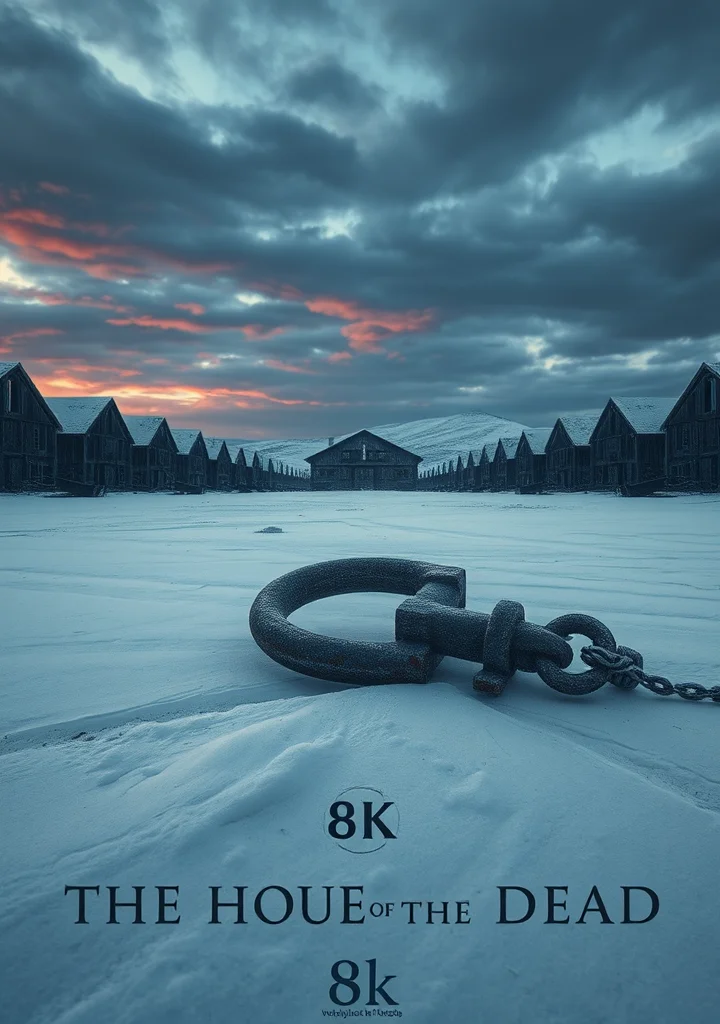
A creeping dread permeates the Siberian salt mines, where the air hangs thick with the ghosts of ambition and despair. Here, amidst the brutal calculus of exile, men are stripped not of their lives, but of their names, their histories, their very humanity. The narrative coils around a nameless narrator, a gentleman condemned to this frozen hell for a crime barely remembered, a sin buried beneath layers of bureaucratic indifference and the suffocating weight of the steppe.
The narrative isn't merely a chronicle of survival, but a descent into the fractured psyche of men driven to madness by confinement and the absence of hope. Each cell becomes a confessional, each inmate a decaying testament to a past life—a merchant, a nobleman, a thief—now reduced to shivering shadows haunting the echoing corridors of the mine.
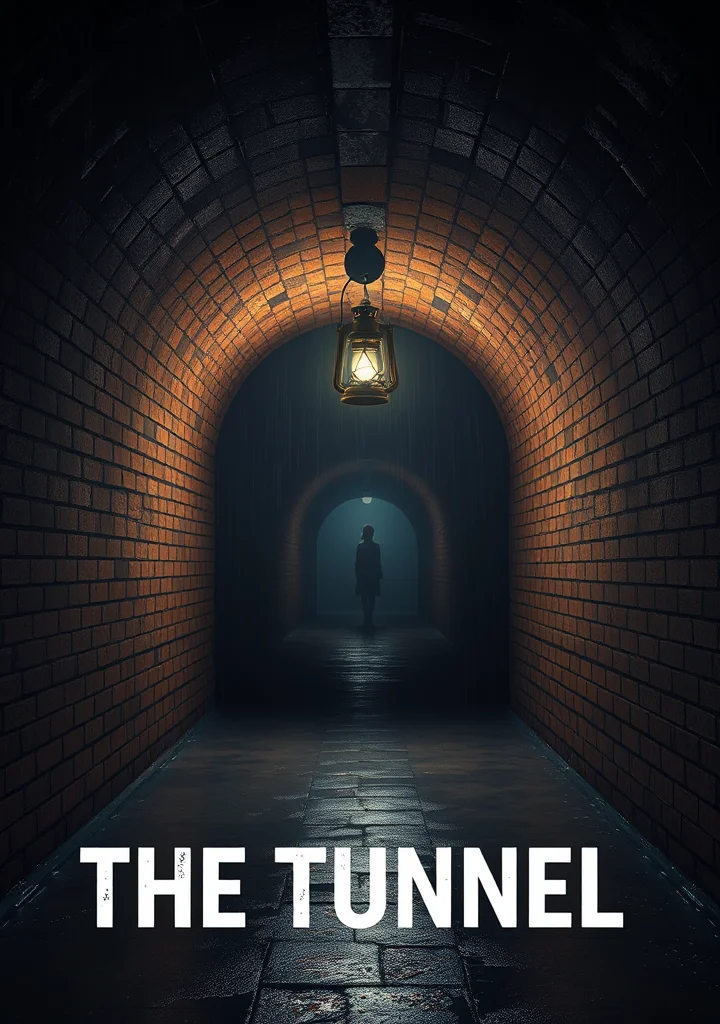
A pervasive sense of claustrophobia clings to the prose, mirroring the tunnels that burrow into the earth and into the souls of those entombed within. The light is a dying ember, barely warding off the encroaching darkness that seeps into every corner of the narrative. It is a world where the boundaries between the living and the dead blur, where the true horror lies not in the physical torment, but in the slow, agonizing erosion of the spirit, a descent into a hollowed-out existence mirroring the very earth that claims them all. The house itself is not stone and mortar, but the collective grief and decay of every man condemned to its icy embrace.
Copyright: Public Domain
This license allows anyone to use your story for any purpose, including printing, selling, or adapting it into a film freely.
This license allows anyone to use your story for any purpose, including printing, selling, or adapting it into a film freely.
More like this