
-
Read 573
-
0
-
Part 40
Completed, First published Mar 02, 2026
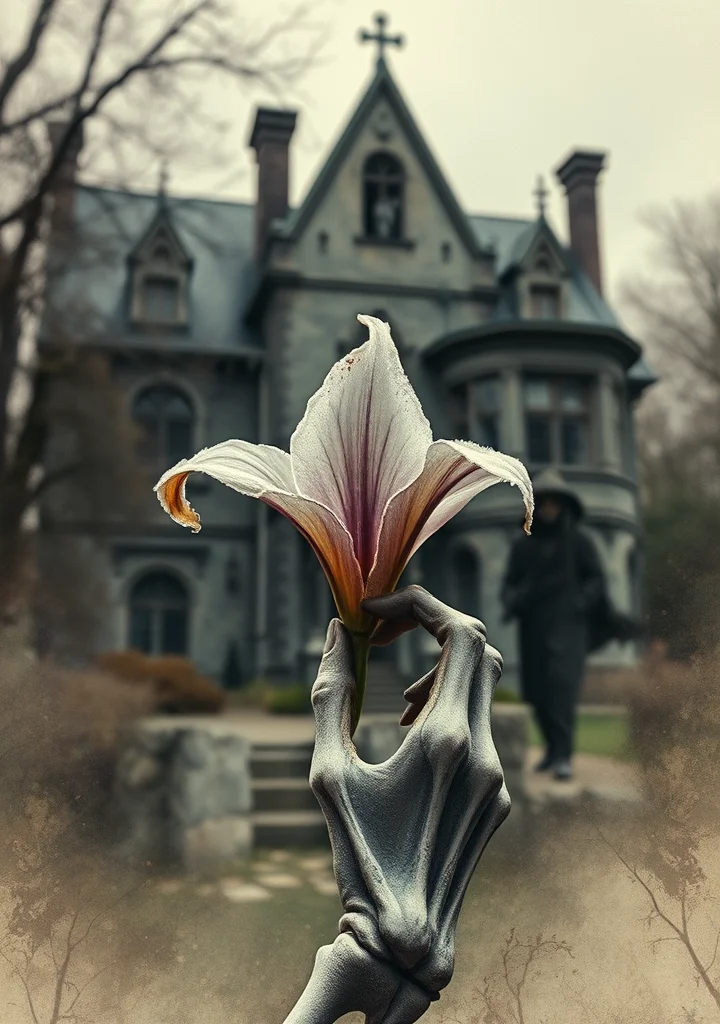
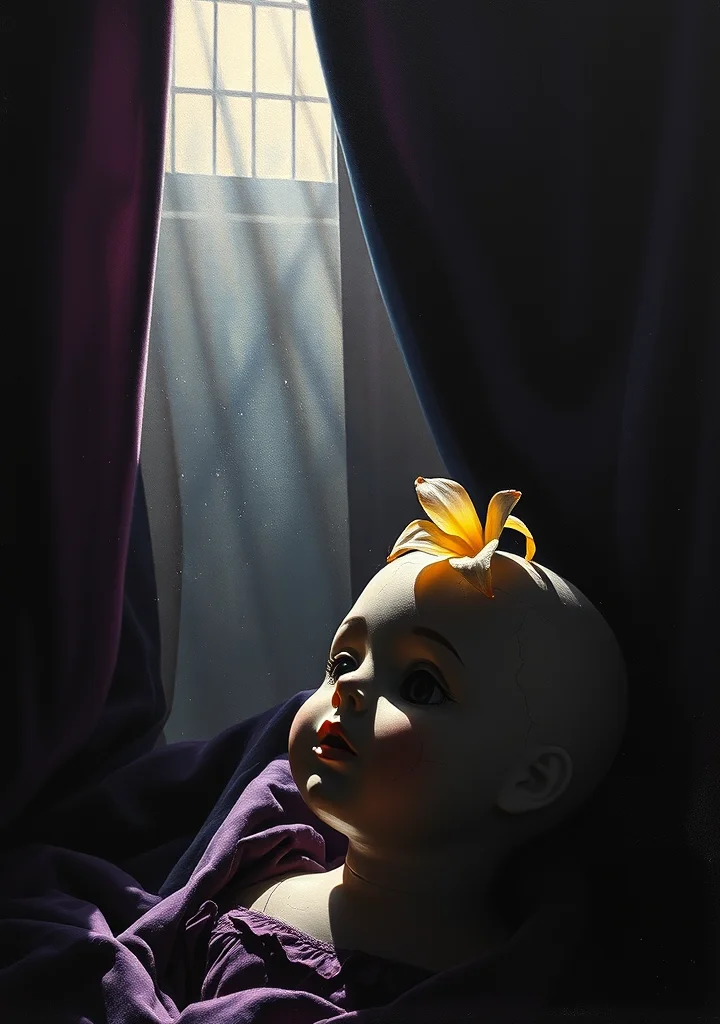
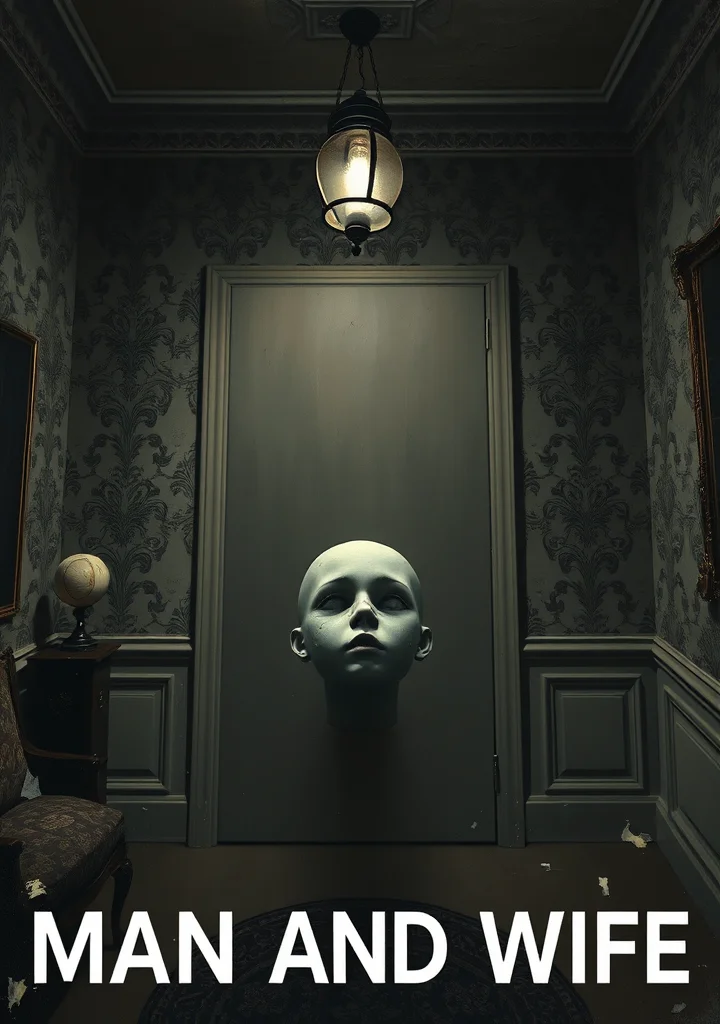
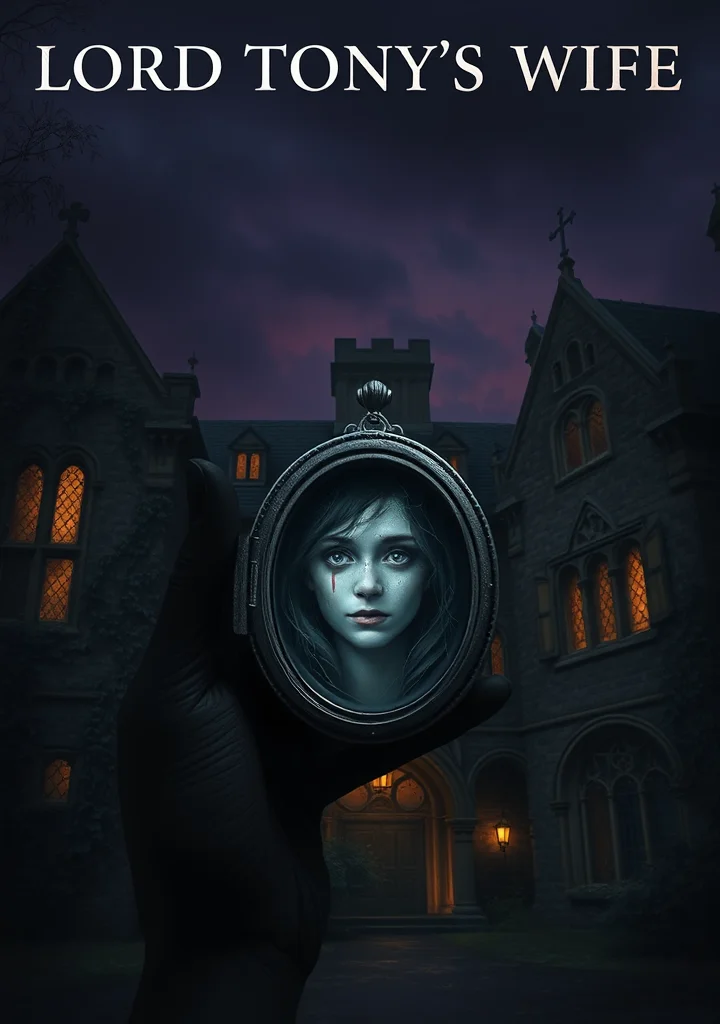
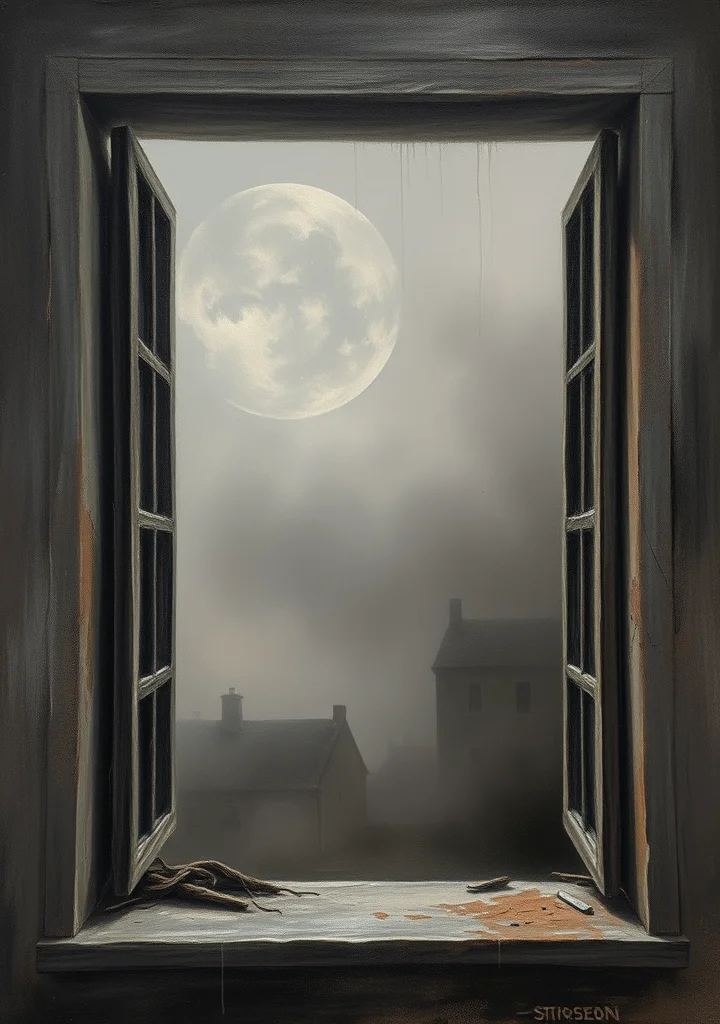
A creeping dread clings to the manor, not of ghouls or specters, but of a suffocating boredom that festers within gilded cages. The air hangs thick with the scent of decaying privilege and the brittle laughter of those who’ve inherited nothing but resentment. Dust motes dance in the slivers of moonlight that penetrate the velvet curtains, illuminating portraits of ancestors whose eyes follow every shadowed movement. A fragile, brittle inheritance – a miniature fortune – becomes the focus of a desperate, quiet hunger. The narrative unfolds not in grand, dramatic gestures, but in the insidious unraveling of polite facades, the tightening of smiles that hide predatory intent. Each forced jest, each perfectly delivered insult, is a chipping away at the foundations of a crumbling estate. The shadows lengthen, not with malice, but with a suffocating weight of expectation. It's a story of inheritance, but the real currency isn't gold, but the desperate, clinging hope of escaping a fate worse than ruin. The house itself breathes with a stagnant, stifled air, mirroring the stifled ambitions of those trapped within its walls. The little nugget, it seems, is not a treasure, but a poison, slowly dissolving the last vestiges of grace.
Copyright: Public Domain
This license allows anyone to use your story for any purpose, including printing, selling, or adapting it into a film freely.
This license allows anyone to use your story for any purpose, including printing, selling, or adapting it into a film freely.
Chapter List
-
« The Little Nugget »📖 Continue Reading
-
« I »
-
« I »
-
« II »
-
« I »
-
« I »
-
« II »
-
« III »
-
« II »
-
« III »
-
« IV »
-
« I »
-
« II »
-
« V »
-
« VI »
-
« I »
-
« II »
-
« VII »
-
« VIII »
-
« I »
-
« II »
-
« III »
-
« IX »
-
« I »
-
« II »
-
« X »
-
« XI »
-
« XII »
-
« I »
-
« II »
-
« XIII »
-
« XIV »
-
« I »
-
« II »
-
« XV »
-
« I »
-
« II »
-
« XVI »
-
« XVII »
-
« XVIII »
40
More like this