
-
Read 350
-
0
-
Part 24
Completed, First published Mar 02, 2026
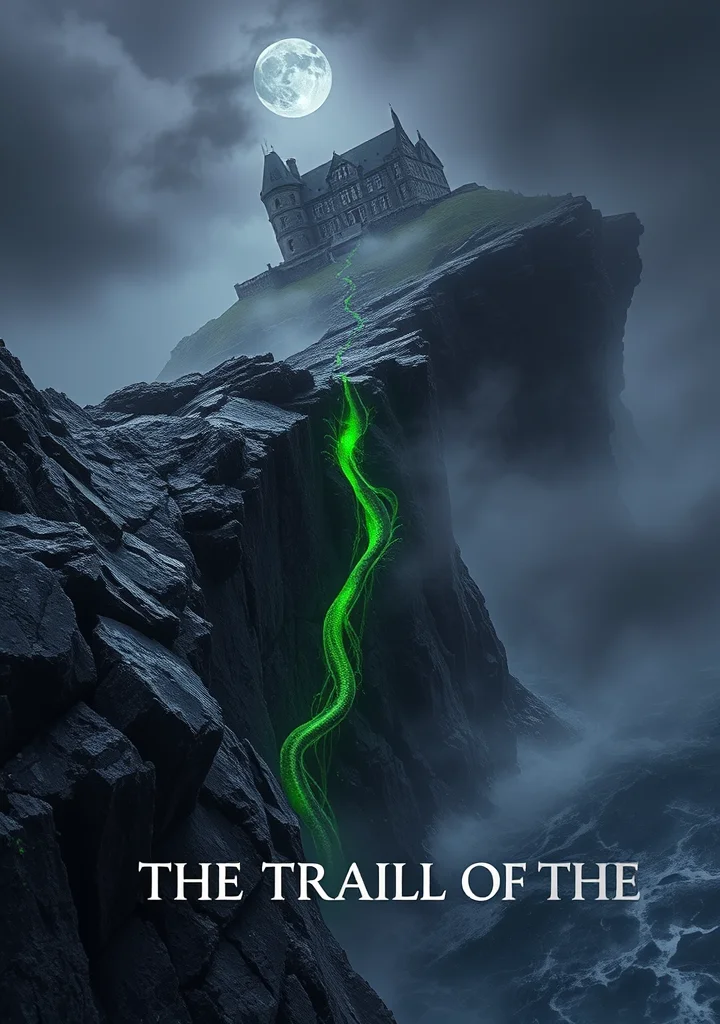
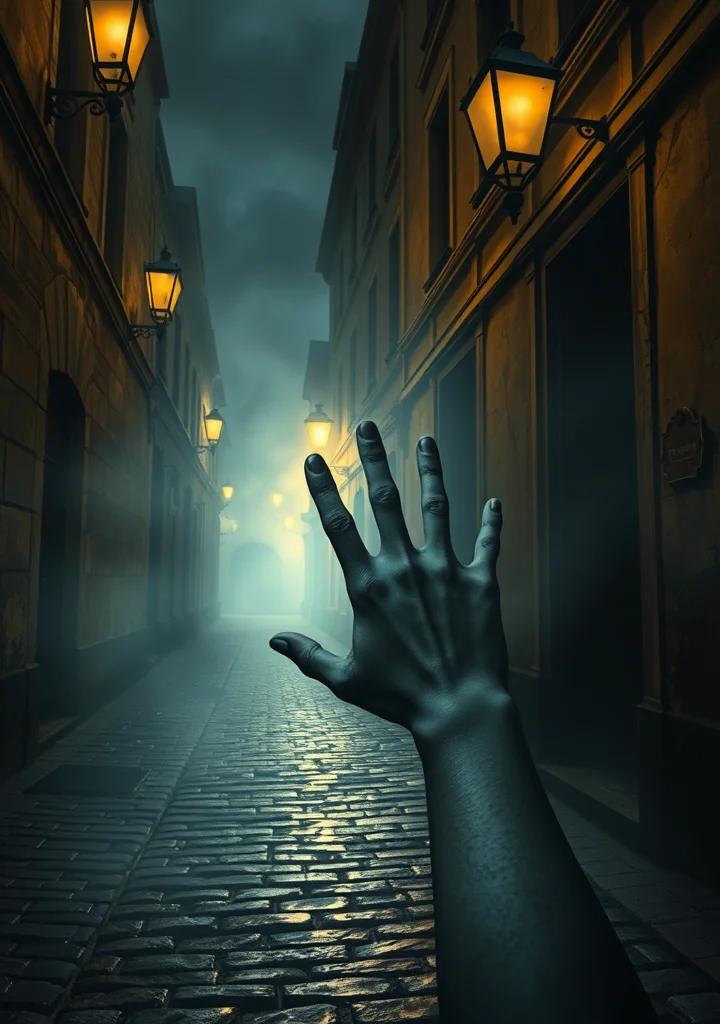
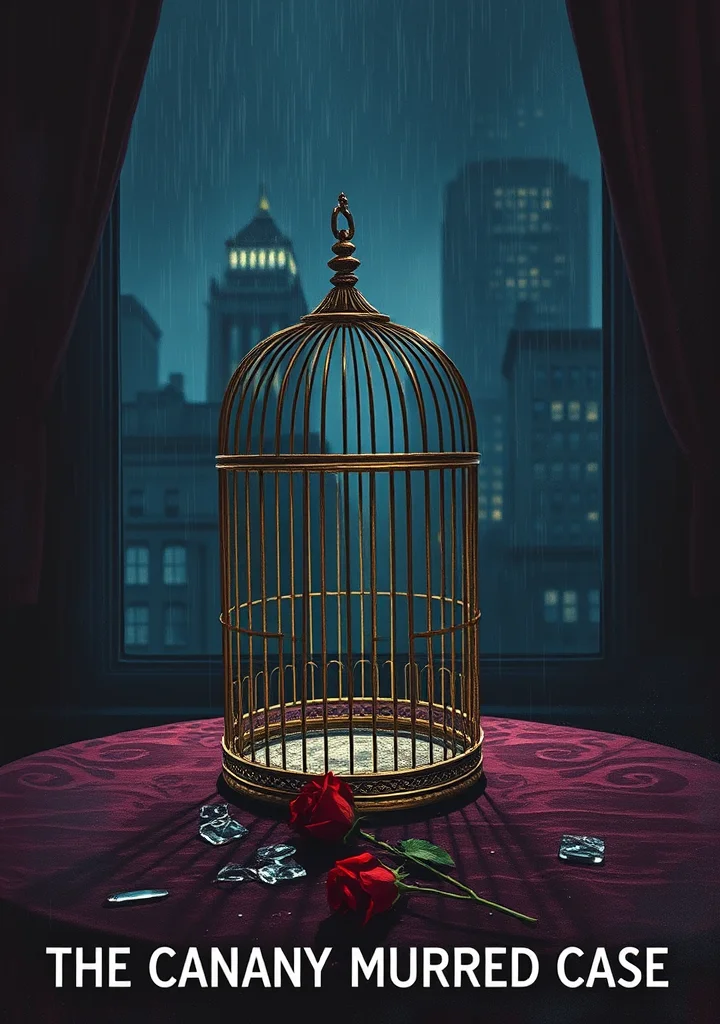
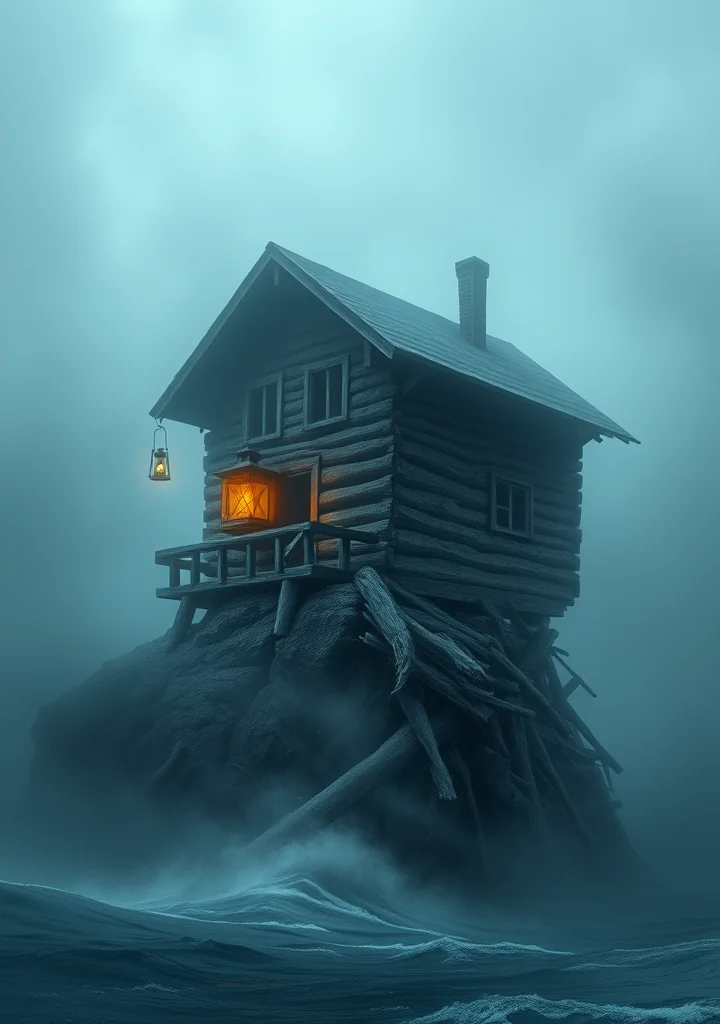
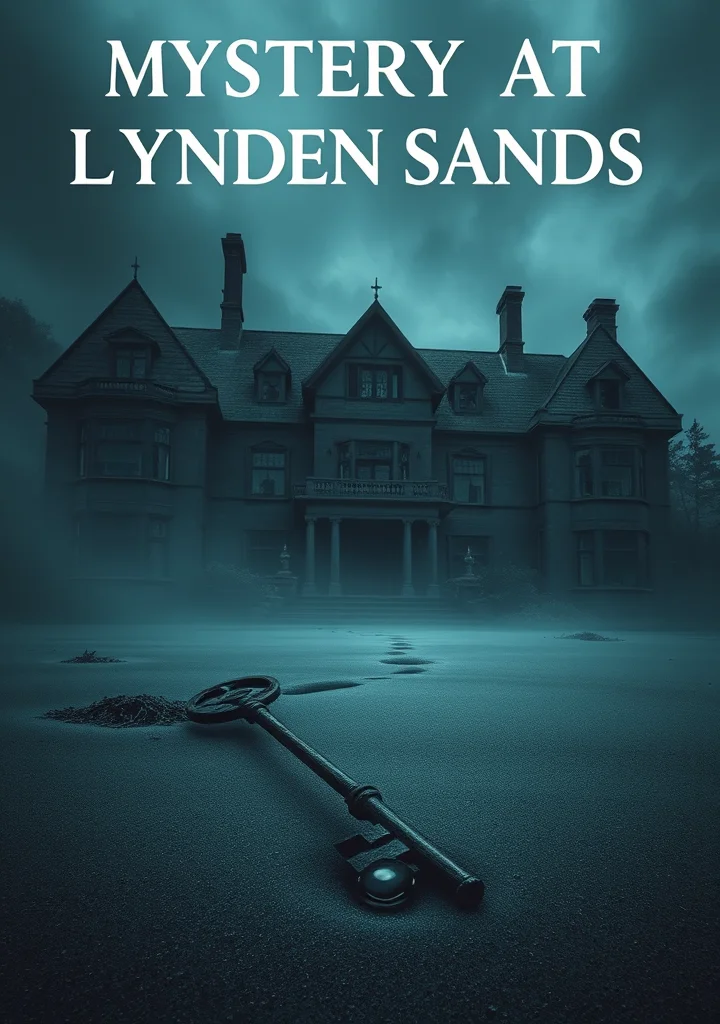
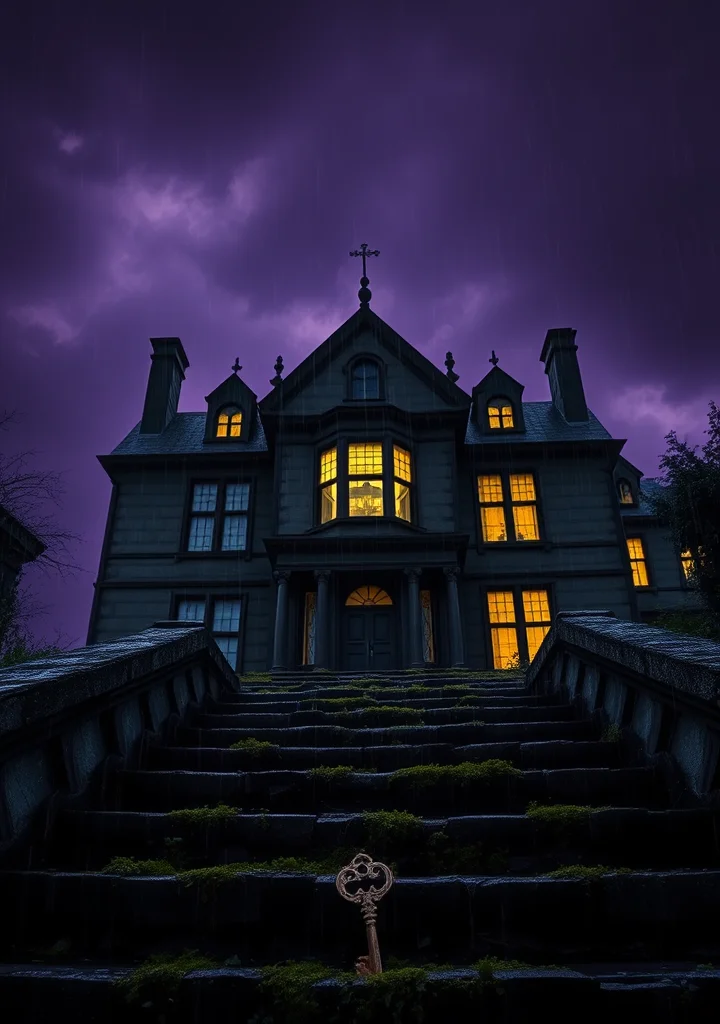
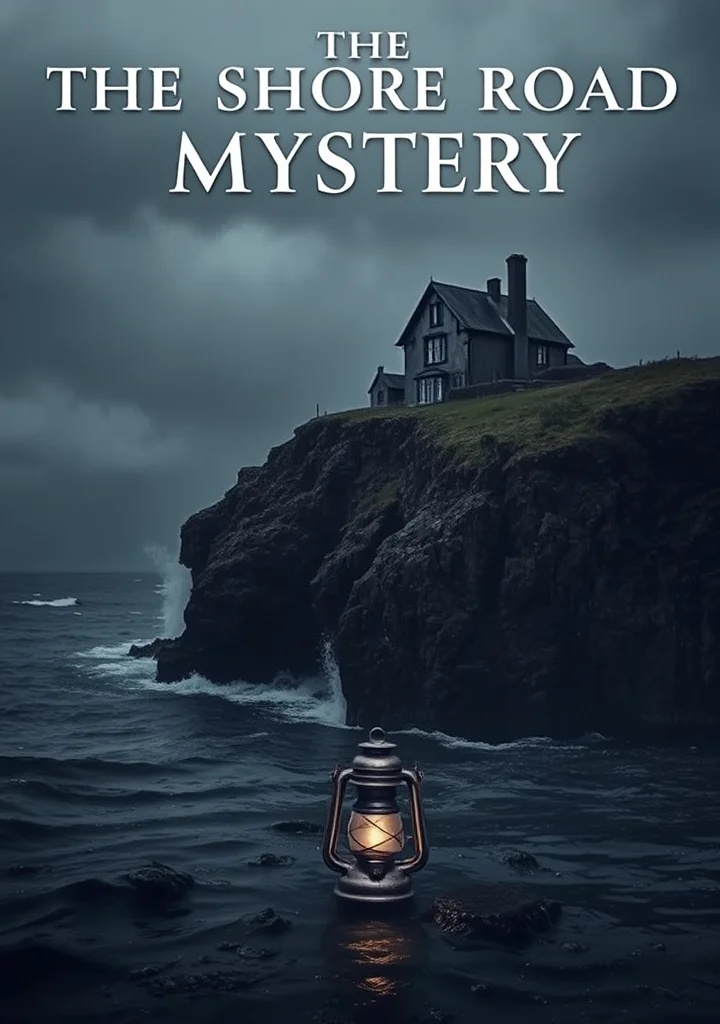
A perpetual twilight clings to the Shore Road, where the salt-laced wind carries whispers of vanished ships and forgotten fortunes. The crumbling estate of old Man Hemlock, perched on cliffs overlooking the churning grey sea, feels less a house than a mausoleum breathing with the damp chill of decades past. Young Frank, drawn into a desperate search for a missing heir, finds himself swallowed by a village steeped in secrets, each face etched with a sorrow that mirrors the erosion of the coastline itself.
Every shadowed room holds the scent of decay and regret, every antique mirror reflects a phantom history. The locals speak in riddles, their eyes hollowed by the sea's endless gaze, offering clues veiled in superstition and the mournful toll of distant buoys. As Frank delves deeper, he uncovers not a single crime, but a tapestry of betrayals woven into the very fabric of the Shore Road, a place where the boundary between the living and the lost blurs with each rising tide. The mystery isn’t merely *who* disappeared, but *what* was taken with them—a piece of the soul of the shore itself, leaving a hollow echo in the wake of the vanished boy.
Copyright: Public Domain
This license allows anyone to use your story for any purpose, including printing, selling, or adapting it into a film freely.
This license allows anyone to use your story for any purpose, including printing, selling, or adapting it into a film freely.
More like this