
-
Read 400
-
0
-
Part 27
Completed, First published Mar 02, 2026
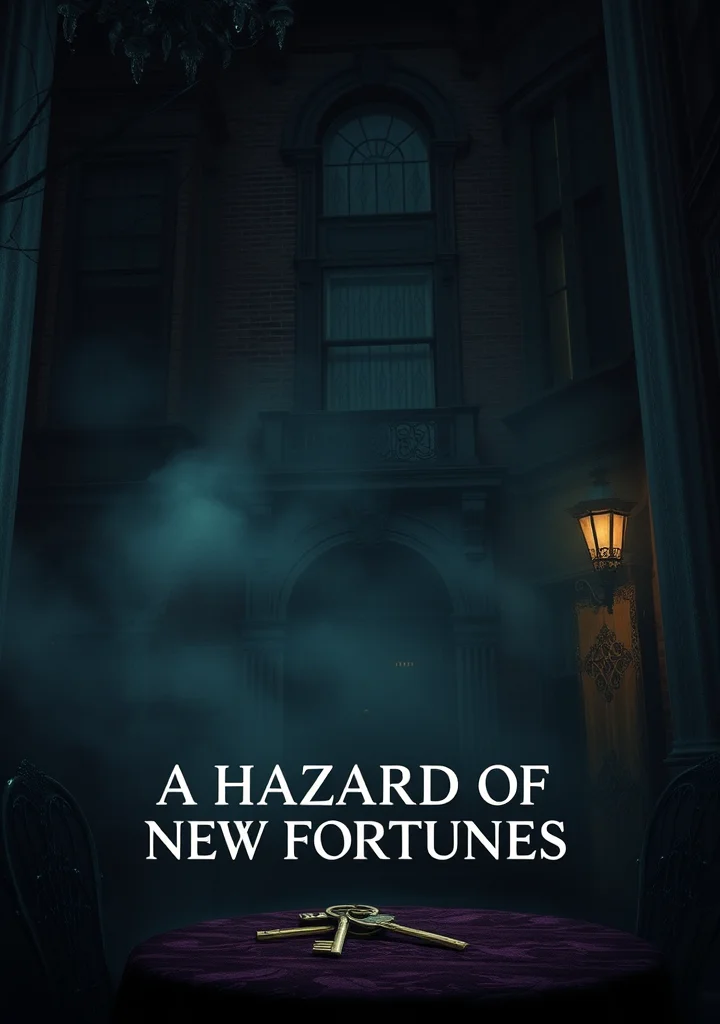
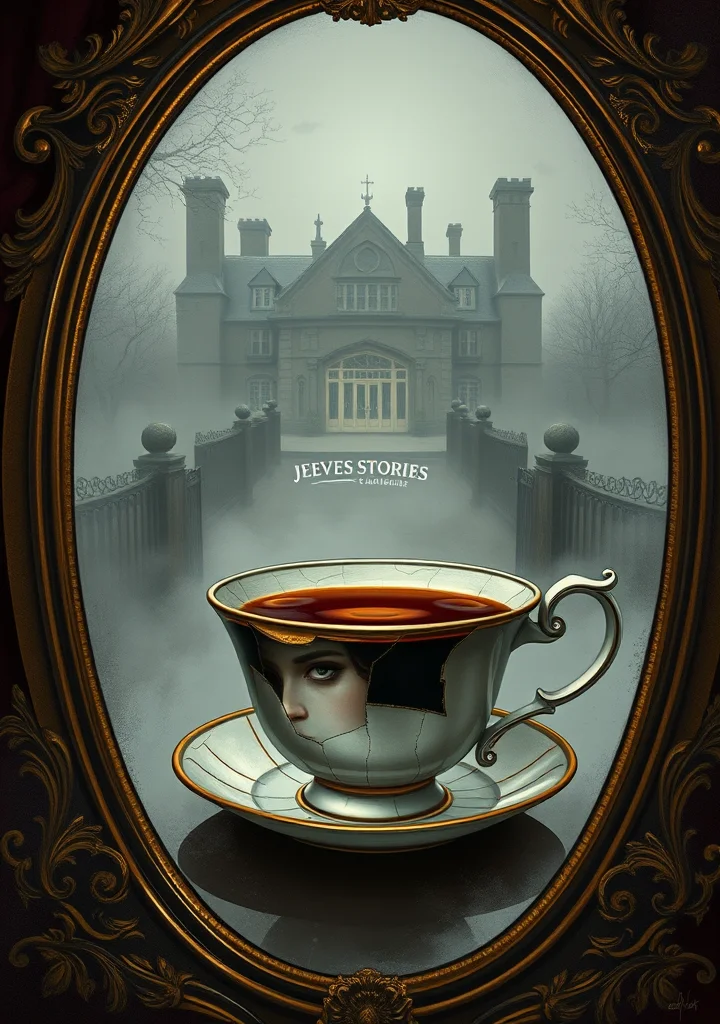
A creeping fog clings to the manicured lawns of country estates, mirroring the subtle decay within the hearts of men grown brittle with expectation. Though sunlight dapples the rose gardens, a chill permeates the shadowed halls where fortunes are lost and reputations hang by silken threads. The air smells of damp wool and regret, of unspoken desires masked by impeccable tailoring. A meticulous order—a veneer of polished brass and perfect tea services—conceals a simmering discontent, a brittle fragility threatening to shatter with the wrong word, the wrong glance. This is a world where the slightest improperty, a misplaced cucumber sandwich, can unravel the most carefully constructed façade, and where the quiet, observant gaze of a gentleman’s gentleman holds the key to both salvation and ruin. The silence between the polite exchanges is a labyrinth of suppressed anxieties, a breeding ground for folly and the slow, elegant unraveling of a gilded age. A darkness lingers, not of malice, but of a pervasive, melancholic absurdity that clings to the very stones of the English countryside.
Copyright: Public Domain
This license allows anyone to use your story for any purpose, including printing, selling, or adapting it into a film freely.
This license allows anyone to use your story for any purpose, including printing, selling, or adapting it into a film freely.
Chapter List
-
« Jeeves Stories »📖 Continue Reading
-
« Editor’s Preface »
-
« Extricating Young Gussie »
-
« Leave It to Jeeves »
-
« The Aunt and the Sluggard »
-
« Jeeves Takes Charge »
-
« Jeeves and the Unbidden Guest »
-
« Jeeves and the Hard-Boiled Egg »
-
« Jeeves in the Springtime »
-
« Aunt Agatha Makes a Bloomer »
-
« Scoring Off Jeeves »
-
« Sir Roderick Comes to Lunch »
-
« Jeeves and the Chump Cyril »
-
« Comrade Bingo »
-
« The Great Sermon Handicap »
-
« The Purity of the Turf »
-
« The Metropolitan Touch »
-
« The Delayed Exit of Claude and Eustace »
-
« Bingo and the Little Woman »
-
« The Rummy Affair of Old Biffy »
-
« Without the Option »
-
« Fixing It for Freddie »
-
« Clustering Round Young Bingo »
-
« Bertie Changes His Mind »
-
« The Inferiority Complex of Old Sippy »
-
« Jeeves and the Impending Doom »
-
« Jeeves and the Yuletide Spirit »
27
-
« Jeeves Stories »
-
« Editor’s Preface »
-
« Extricating Young Gussie »
-
« Leave It to Jeeves »
-
« The Aunt and the Sluggard »
-
« Jeeves Takes Charge »
-
« Jeeves and the Unbidden Guest »
-
« Jeeves and the Hard-Boiled Egg »
-
« Jeeves in the Springtime »
-
« Aunt Agatha Makes a Bloomer »
-
« Scoring Off Jeeves »
-
« Sir Roderick Comes to Lunch »
-
« Jeeves and the Chump Cyril »
-
« Comrade Bingo »
-
« The Great Sermon Handicap »
-
« The Purity of the Turf »
-
« The Metropolitan Touch »
-
« The Delayed Exit of Claude and Eustace »
-
« Bingo and the Little Woman »
-
« The Rummy Affair of Old Biffy »
-
« Without the Option »
-
« Fixing It for Freddie »
-
« Clustering Round Young Bingo »
-
« Bertie Changes His Mind »
-
« The Inferiority Complex of Old Sippy »
-
« Jeeves and the Impending Doom »
-
« Jeeves and the Yuletide Spirit »
More like this