
-
Read 656
-
0
-
Part 53
Completed, First published Mar 02, 2026
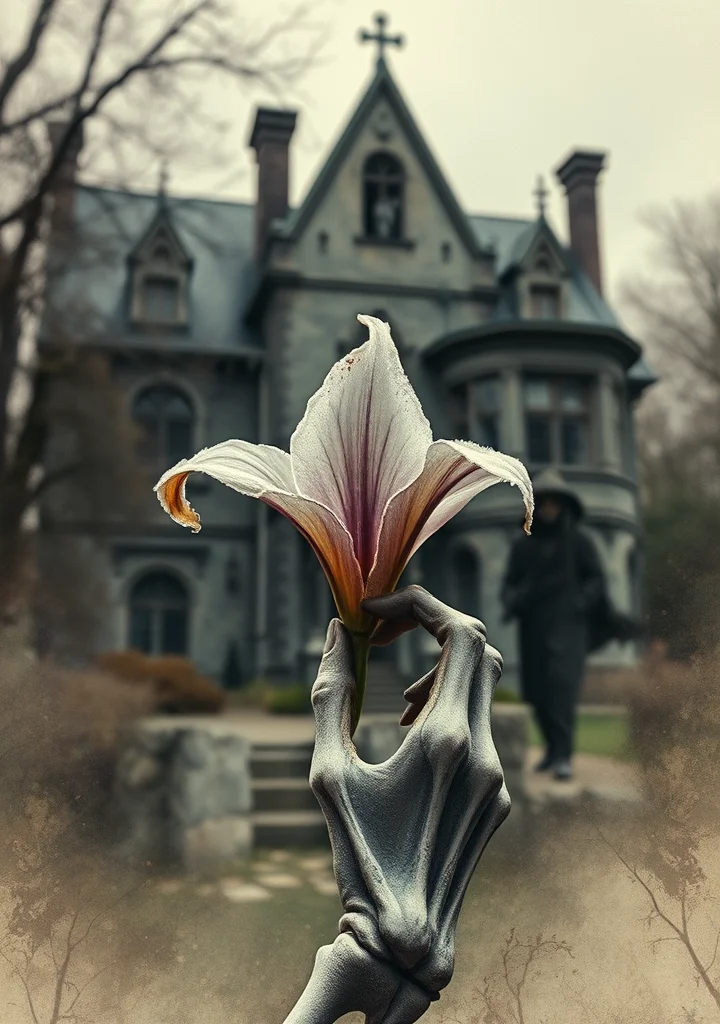
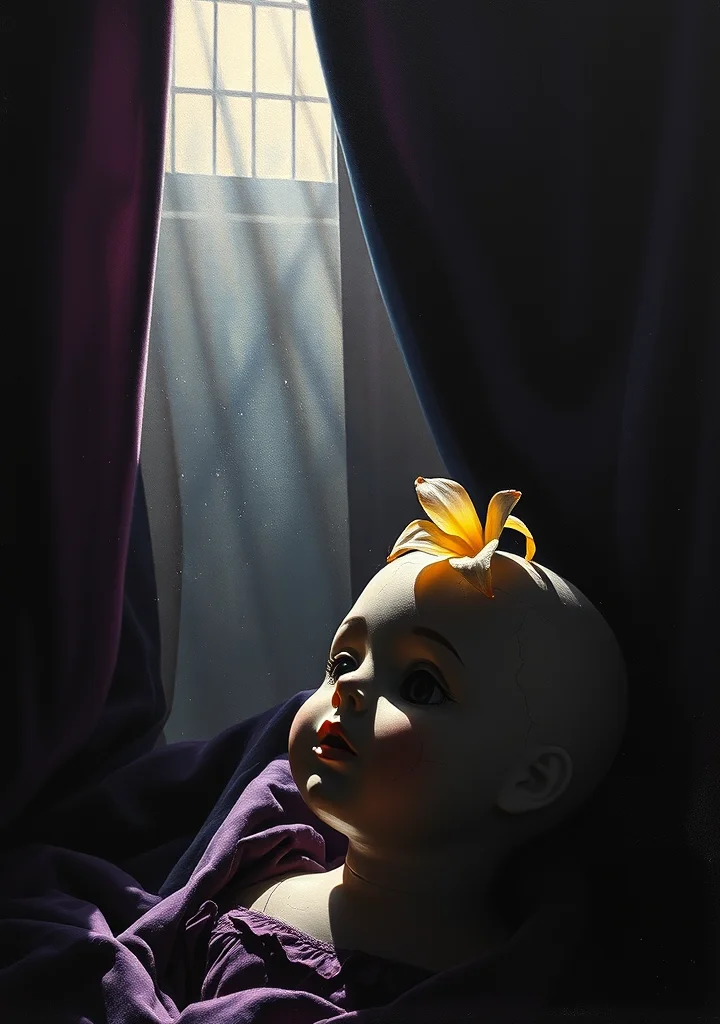
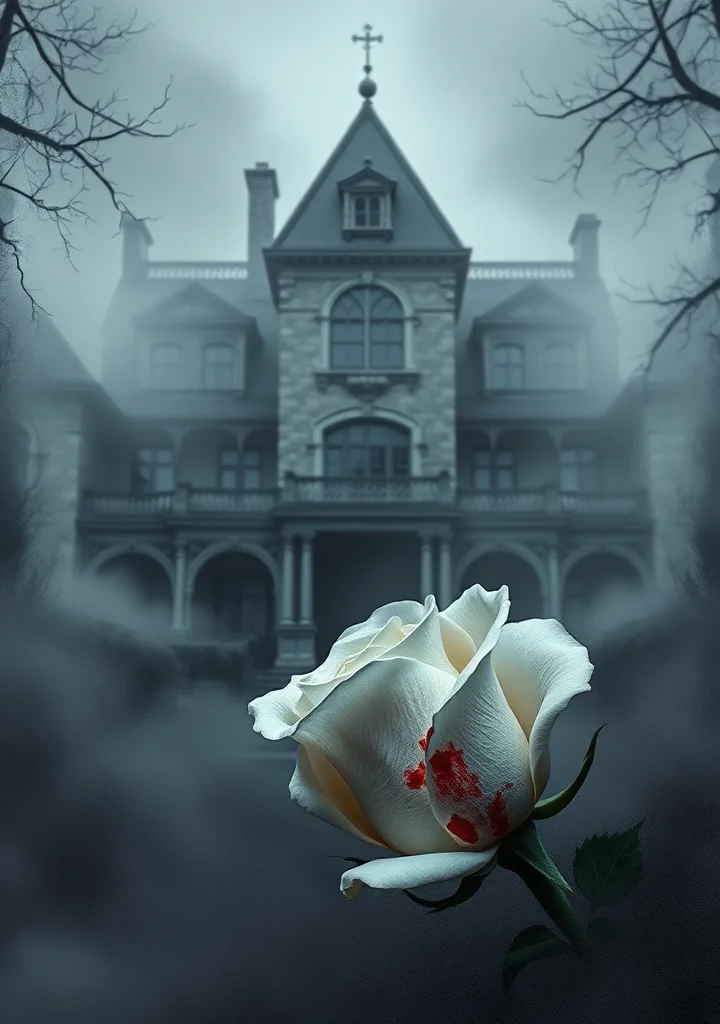
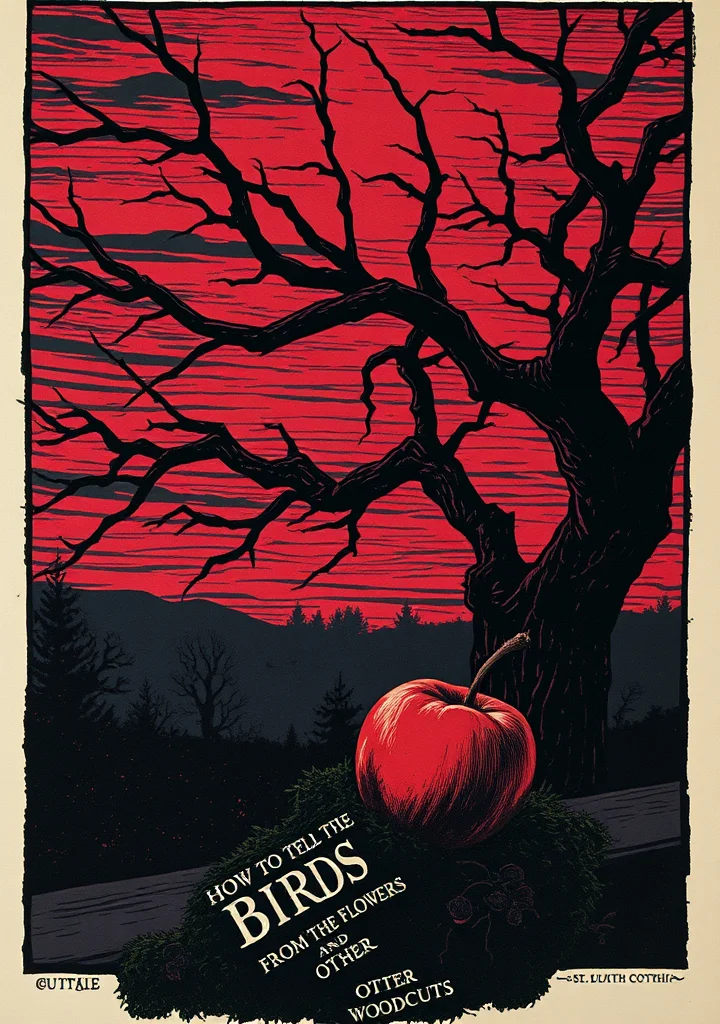
A creeping dread clings to the shadowed orchards and decaying manor houses of this forgotten corner of New England. The air hangs thick with the scent of bruised apples and the unspoken histories of families withered by ambition and rot. Each chapter unfolds like a woodcut itself—stark, fractured, and bleeding into the next. Old Man Hemlock’s tales, whispered over splintered porch rails, are not merely stories, but glimpses into a fracturing reality where the boundary between the living and the dead is a gossamer thread. The birds, once messengers of spring, now carry the chilling echoes of lost girls vanished into the woods, their songs mimicking the cries of those swallowed by the encroaching darkness. Flowers bloom with an unnerving luminescence, mirroring the feverish glow of a madness that has seeped into the very soil. The narrative itself is a labyrinth of half-remembered dreams, each turn revealing a deeper layer of decay—a suffocating claustrophobia born of isolation and the suffocating weight of secrets carved into the heartwood of generations past. It’s a place where the rustle of leaves isn’t the wind, but the restless stirring of things best left undisturbed, and where every bloom holds a thorn sharper than memory.
Copyright: Public Domain
This license allows anyone to use your story for any purpose, including printing, selling, or adapting it into a film freely.
This license allows anyone to use your story for any purpose, including printing, selling, or adapting it into a film freely.
Chapter List
-
« How to Tell the Birds from the Flowers and Other Woodcuts »📖 Continue Reading
-
« How to Tell the Birds from the Flowers and Other Woodcuts »
-
« Intro‑duc‑tion »
-
« Burr; Bird »
-
« The Crow; The Crocus »
-
« The Clover; The Plover »
-
« The Ole Gander; The Oleander »
-
« The Hen; The Lichen »
-
« The Pelican; The Panicle »
-
« The Pea; The Pewee »
-
« The Parrot; The Carrot »
-
« The Rue; The Rooster »
-
« The Hawk; The Hollyhock »
-
« The Pecan; The Toucan »
-
« The Cat‑bird; The Cat‑nip »
-
« The Quail; The Kale »
-
« The Auk; The Orchid »
-
« The Cow Bird; The Cowslip »
-
« The Butter‑ball; The Butter‑cup »
-
« The Roc; The Shamrock »
-
« A Sparrer; Asparagus »
-
« The Blue Mountain Lory; The Blue Morning Glory »
-
« The Tern; The Turnip »
-
« The Larks; The Larkspur »
-
« Cross Bill; Sweet William »
-
« The Ibis; The ’Ibiscus »
-
« The Pipe; The Snipe »
-
« The Jay; The Bay »
-
« The Gent‑ians; The Lady‑bird »
-
« Puffin; Nuffin »
-
« The Bee; The Beet; The Beetle »
-
« The Bunny; The Tunny »
-
« The Puss; The Octo‑pus »
-
« The Eel; The Eelephant »
-
« The Ant; The Pheas‑ant »
-
« The Hare; The Harrier »
-
« The Pen‑guin; The Sword‑fish »
-
« The Gnu; The Newt »
-
« The Ray; The Raven »
-
« The Ape; The Grape »
-
« The Doe; The Dodo »
-
« The Pipe‑fish; The Sea‑gar »
-
« The Elk; The Whelk »
-
« The P‑cock; The Q‑cumber »
-
« The Sloe; The Sloth »
-
« The Cow; The Cowry »
-
« The Antelope; The Cantelope »
-
« The Pansy; The Chim‑pansy »
-
« Naught; Nautilus »
-
« The Coot; The Bandicoot »
-
« The Pitcher Plant; The Fly‑catcher »
-
« The Yellow‑hammer; The Saw‑fish »
-
« Author’s Add‑end‑’em »
53
-
« How to Tell the Birds from the Flowers and Other Woodcuts »
-
« How to Tell the Birds from the Flowers and Other Woodcuts »
-
« Intro‑duc‑tion »
-
« Burr; Bird »
-
« The Crow; The Crocus »
-
« The Clover; The Plover »
-
« The Ole Gander; The Oleander »
-
« The Hen; The Lichen »
-
« The Pelican; The Panicle »
-
« The Pea; The Pewee »
-
« The Parrot; The Carrot »
-
« The Rue; The Rooster »
-
« The Hawk; The Hollyhock »
-
« The Pecan; The Toucan »
-
« The Cat‑bird; The Cat‑nip »
-
« The Quail; The Kale »
-
« The Auk; The Orchid »
-
« The Cow Bird; The Cowslip »
-
« The Butter‑ball; The Butter‑cup »
-
« The Roc; The Shamrock »
-
« A Sparrer; Asparagus »
-
« The Blue Mountain Lory; The Blue Morning Glory »
-
« The Tern; The Turnip »
-
« The Larks; The Larkspur »
-
« Cross Bill; Sweet William »
-
« The Ibis; The ’Ibiscus »
-
« The Pipe; The Snipe »
-
« The Jay; The Bay »
-
« The Gent‑ians; The Lady‑bird »
-
« Puffin; Nuffin »
-
« The Bee; The Beet; The Beetle »
-
« The Bunny; The Tunny »
-
« The Puss; The Octo‑pus »
-
« The Eel; The Eelephant »
-
« The Ant; The Pheas‑ant »
-
« The Hare; The Harrier »
-
« The Pen‑guin; The Sword‑fish »
-
« The Gnu; The Newt »
-
« The Ray; The Raven »
-
« The Ape; The Grape »
-
« The Doe; The Dodo »
-
« The Pipe‑fish; The Sea‑gar »
-
« The Elk; The Whelk »
-
« The P‑cock; The Q‑cumber »
-
« The Sloe; The Sloth »
-
« The Cow; The Cowry »
-
« The Antelope; The Cantelope »
-
« The Pansy; The Chim‑pansy »
-
« Naught; Nautilus »
-
« The Coot; The Bandicoot »
-
« The Pitcher Plant; The Fly‑catcher »
-
« The Yellow‑hammer; The Saw‑fish »
-
« Author’s Add‑end‑’em »
More like this