
-
Read 706
-
0
-
Part 51
Completed, First published Mar 02, 2026
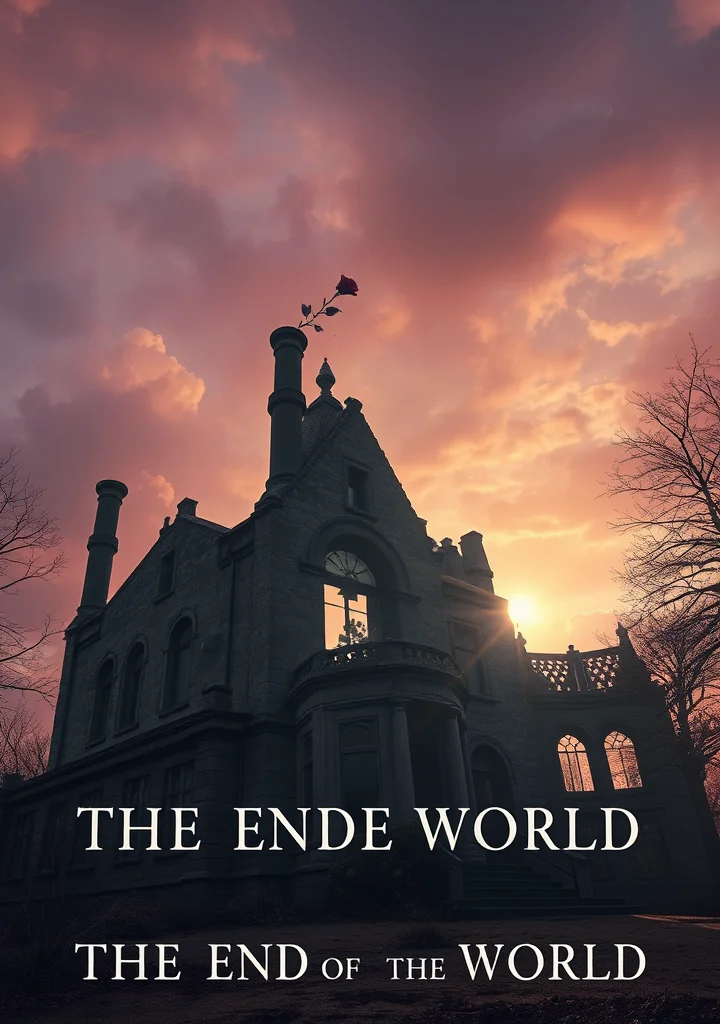
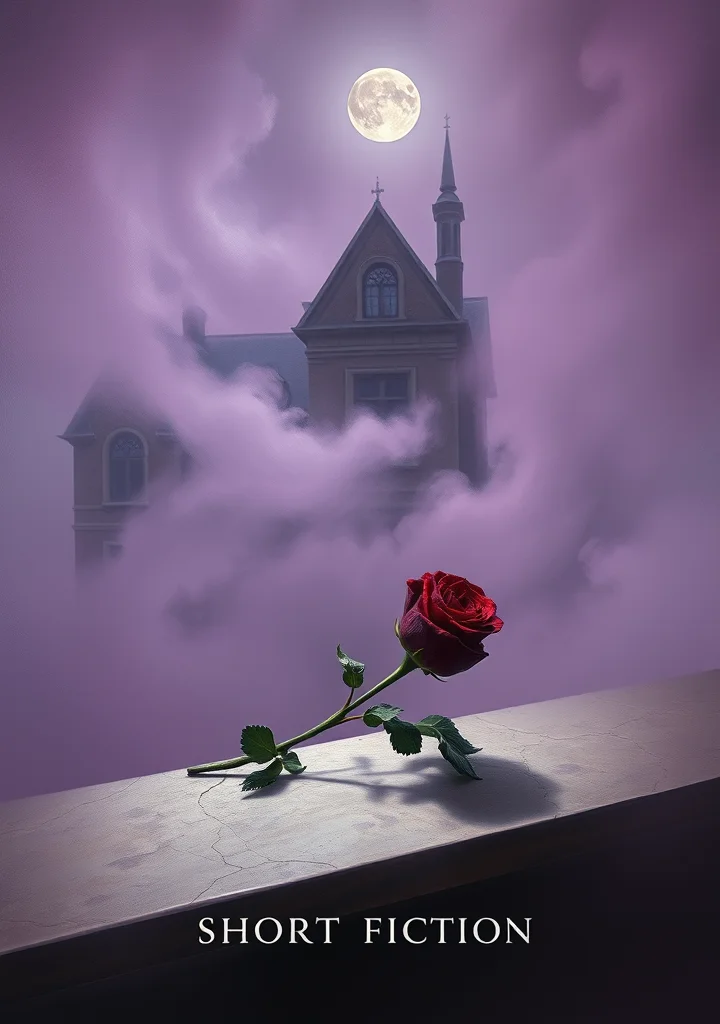
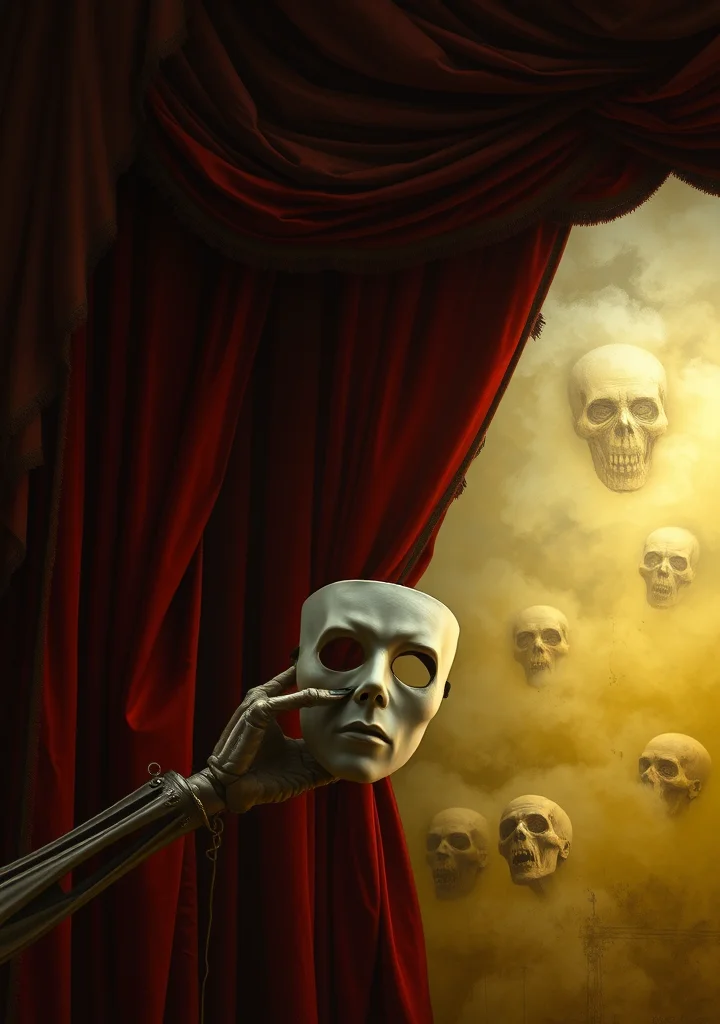
A creeping dread clings to these pages, born of dust and decay in forgotten corners of New England and fever-haunted Parisian stages. The scent of brine and madness hangs heavy as stories unravel, each a fractured glimpse into the rot beneath the gilded age. Whispers of the Hyancinth Death bloom amongst artists and actors, their sanity dissolving with each performance of the cursed play. The King in Yellow’s influence seeps into the minds of men, warping reason into grotesque obsession. A pallid light flickers across shadowed rooms, illuminating the unraveling of lives consumed by a haunting melody and a mask of terrible, alien beauty. It’s a contagion of the mind, a slow unraveling witnessed through trembling hands and eyes haunted by visions of cyclopean cities and a yellow, writhing form. The air itself feels thin, stretched taut with a suffocating dread that clings to the throat, leaving only the chilling echo of madness and the promise of oblivion. This is not merely horror, but a decay of the very fabric of reality, a descent into the labyrinthine corridors of a fractured psyche where the boundaries between dream and waking nightmare dissolve into a sickly, yellow haze. The silence that follows is a weight, a suffocating darkness that promises to swallow all that remains.
Copyright: Public Domain
This license allows anyone to use your story for any purpose, including printing, selling, or adapting it into a film freely.
This license allows anyone to use your story for any purpose, including printing, selling, or adapting it into a film freely.
Recommended for you