
-
Read 743
-
0
-
Part 44
Completed, First published Mar 02, 2026
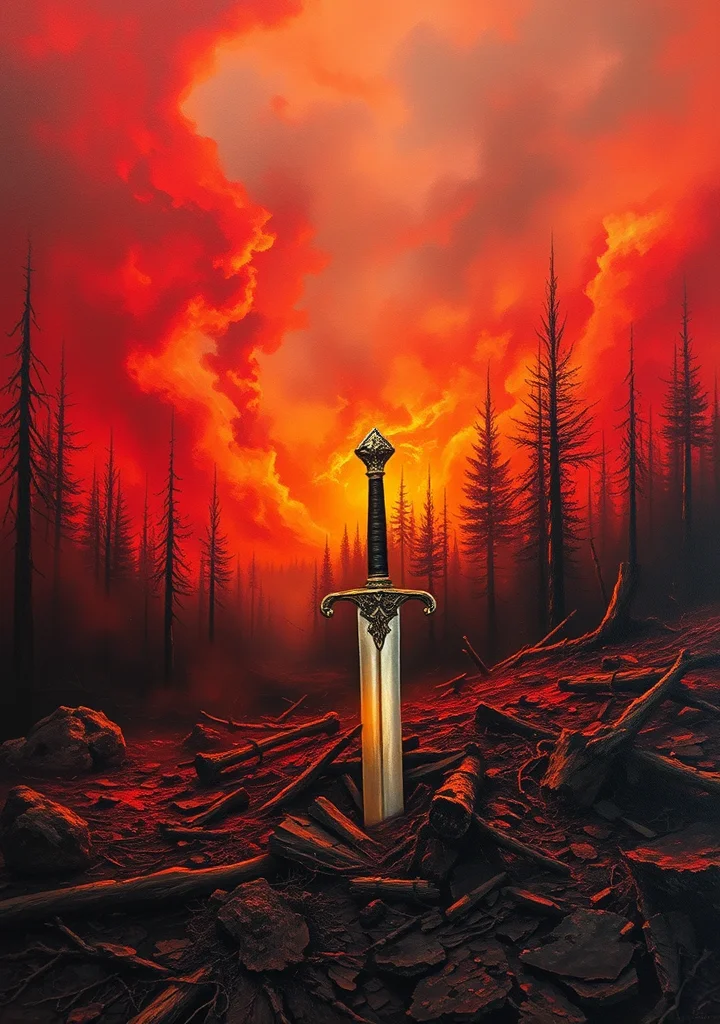
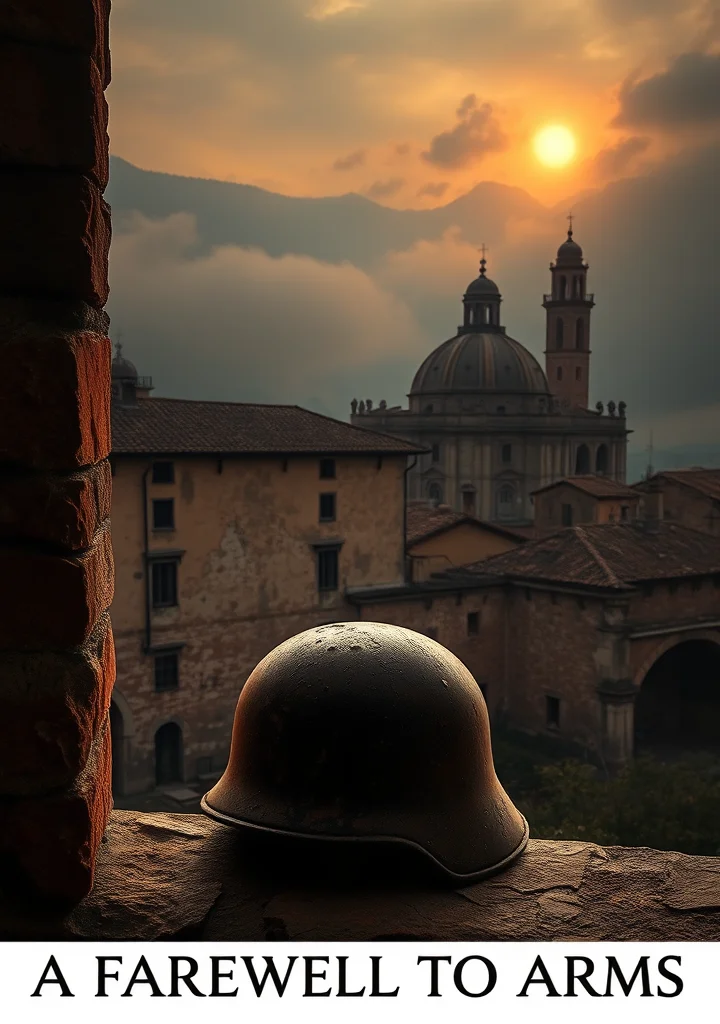
Dust motes dance in the perpetual twilight of war-torn Italy, clinging to the crumbling stone of ancient monasteries and the shadowed faces of soldiers. This is a story etched in the bruised hues of autumn, a descent into a love born amidst the brutal choreography of conflict. The narrative breathes with the scent of damp earth and gunpowder, punctuated by the hollow ache of loss. A fractured world bleeds into a desperate, fragile intimacy – a refuge carved from exhaustion and the chilling certainty of oblivion. Every stolen moment between the lovers is haunted by the distant rumble of artillery, the ever-present threat of a world tearing itself apart. The landscape itself is a character: sun-baked hills concealing hidden dangers, rain-soaked fields mirroring the grief that seeps into every touch. It’s a fever dream of survival, where passion flares as a defiant ember against the encroaching darkness, only to be extinguished by the cold, unforgiving hand of fate. The narrative doesn’t offer solace, but a stark, unflinching gaze into the heart of a war that consumes everything—hope, innocence, and ultimately, the very arms that offer solace.
Copyright: Public Domain
This license allows anyone to use your story for any purpose, including printing, selling, or adapting it into a film freely.
This license allows anyone to use your story for any purpose, including printing, selling, or adapting it into a film freely.
Chapter List
-
« A Farewell to Arms »📖 Continue Reading
-
« Chapter_3 »
-
« A Farewell to Arms »
-
« I »
-
« II »
-
« III »
-
« IV »
-
« V »
-
« VI »
-
« VII »
-
« VIII »
-
« IX »
-
« X »
-
« XI »
-
« XII »
-
« XIII »
-
« XIV »
-
« XV »
-
« XVI »
-
« XVII »
-
« XVIII »
-
« XIX »
-
« XX »
-
« XXI »
-
« XXII »
-
« XXIII »
-
« XXIV »
-
« XXV »
-
« XXVI »
-
« XXVII »
-
« XXVIII »
-
« XXIX »
-
« XXX »
-
« XXXI »
-
« XXXII »
-
« XXXIII »
-
« XXXIV »
-
« XXXV »
-
« XXXVI »
-
« XXXVII »
-
« XXXVIII »
-
« XXXIX »
-
« XL »
-
« XLI »
44
-
« A Farewell to Arms »
-
« Chapter_3 »
-
« A Farewell to Arms »
-
« I »
-
« II »
-
« III »
-
« IV »
-
« V »
-
« VI »
-
« VII »
-
« VIII »
-
« IX »
-
« X »
-
« XI »
-
« XII »
-
« XIII »
-
« XIV »
-
« XV »
-
« XVI »
-
« XVII »
-
« XVIII »
-
« XIX »
-
« XX »
-
« XXI »
-
« XXII »
-
« XXIII »
-
« XXIV »
-
« XXV »
-
« XXVI »
-
« XXVII »
-
« XXVIII »
-
« XXIX »
-
« XXX »
-
« XXXI »
-
« XXXII »
-
« XXXIII »
-
« XXXIV »
-
« XXXV »
-
« XXXVI »
-
« XXXVII »
-
« XXXVIII »
-
« XXXIX »
-
« XL »
-
« XLI »
More like this