
-
Read 814
-
0
-
Part 56
Completed, First published Mar 02, 2026
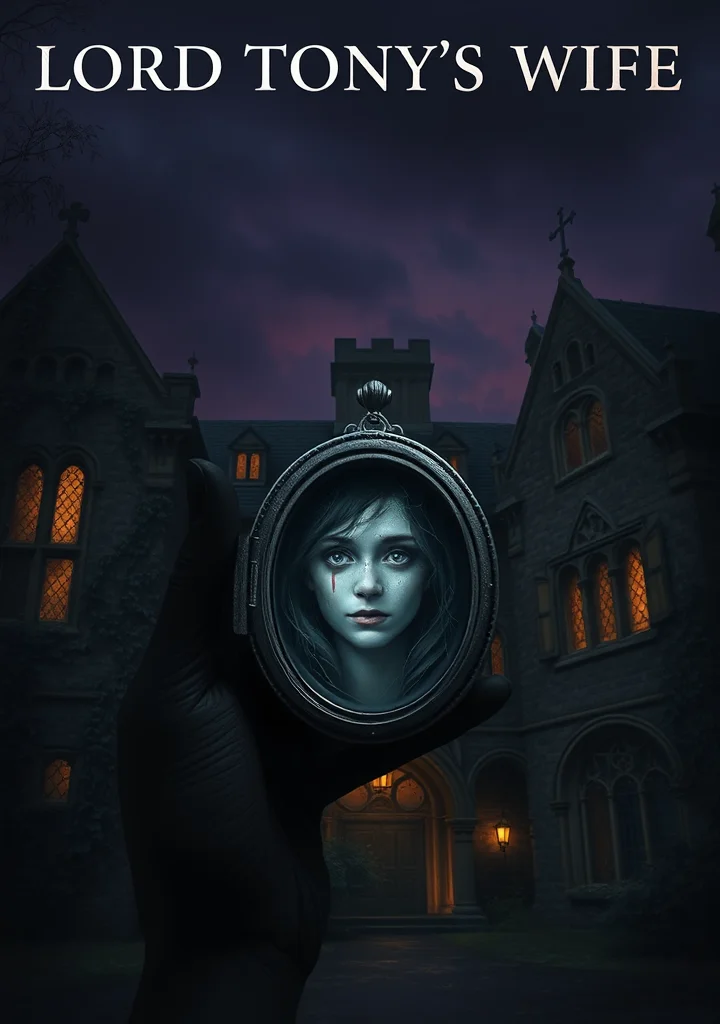
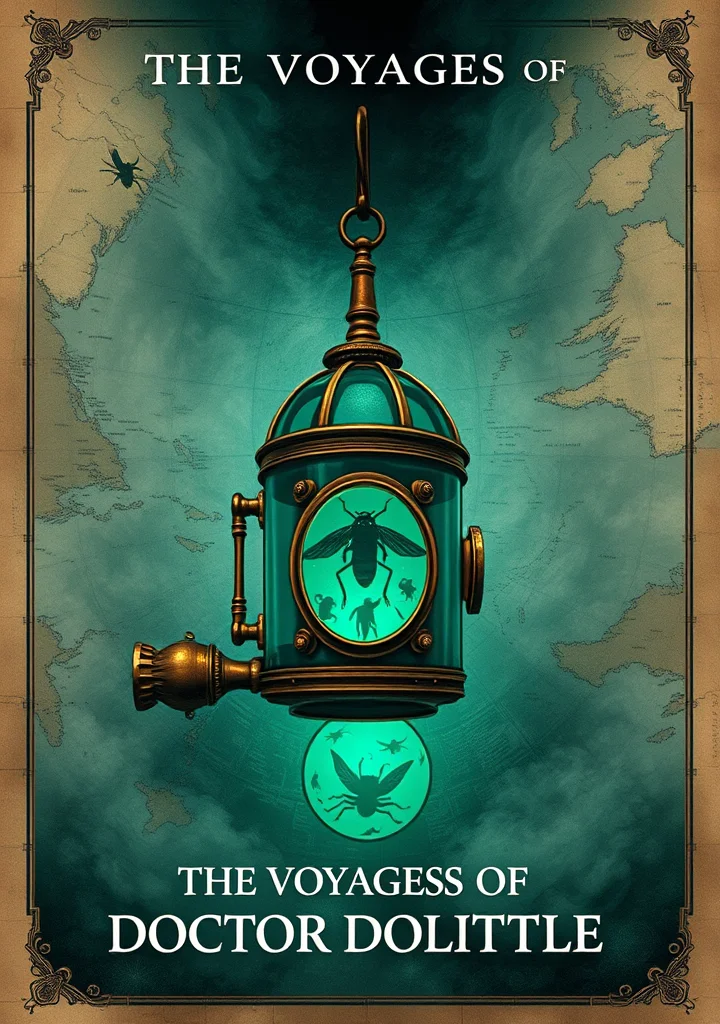
A creeping fog clings to the manor, not of mist, but of memory. These are stories gathered from the shadowed corners of country houses, where the laughter of guests masks a brittle despair. Each tale unfolds like a slow leak of poison into a gilded ballroom, detailing not grand tragedy, but the exquisite ache of disappointment. The air is thick with the scent of dying roses and unspoken regrets. Characters drift through their lives as if sleepwalking, haunted by the phantom touch of what *could* have been. The comedy here is a bone-dry thing, rattling in the ribs of a decaying world. It’s the silence between dances, the flicker of gaslight on a forgotten face, the weight of a perfect summer afternoon stretching into an endless, melancholic autumn. Expect to find not horror, but a pervasive chill – the kind that settles in your marrow and makes you crave another glass of sherry just to feel something, anything, before the light fully fades. The darkness isn’t in the plot, but in the spaces between the words, where loneliness breeds and the heart quietly unravels.
Copyright: Public Domain
This license allows anyone to use your story for any purpose, including printing, selling, or adapting it into a film freely.
This license allows anyone to use your story for any purpose, including printing, selling, or adapting it into a film freely.
Chapter List
-
« Short Fiction »📖 Continue Reading
-
« When Papa Swore in Hindustani »
-
« Tom, Dick, and Harry »
-
« In Alcala »
-
« I »
-
« II »
-
« III »
-
« IV »
-
« V »
-
« VI »
-
« Out of School »
-
« Ahead of Schedule »
-
« By Advice of Counsel »
-
« Deep Waters »
-
« Misunderstood »
-
« Rough-Hew Them How We Will »
-
« The Goalkeeper and the Plutocrat »
-
« The Good Angel »
-
« The Man Upstairs »
-
« The Man, the Maid, and the Miasma »
-
« When Doctors Disagree »
-
« Pots O’Money »
-
« Absent Treatment »
-
« The Best Sauce »
-
« Disentangling Old Duggie »
-
« Three from Dunsterville »
-
« Ruth in Exile »
-
« Sir Agravaine »
-
« The Man Who Disliked Cats »
-
« The Tuppenny Millionaire »
-
« Something to Worry About »
-
« Crowned Heads »
-
« Death at the Excelsior »
-
« I »
-
« II »
-
« III »
-
« IV »
-
« V »
-
« VI »
-
« VII »
-
« One Touch of Nature »
-
« At Geisenheimer’s »
-
« Bill the Bloodhound »
-
« Black for Luck »
-
« Concealed Art »
-
« The Making of Mac’s »
-
« The Mixer »
-
« I »
-
« II »
-
« The Romance of an Ugly Policeman »
-
« The Test Case »
-
« Wilton’s Holiday »
-
« The Man with Two Left Feet »
-
« A Sea of Troubles »
-
« Mister Potter Takes a Rest Cure »
-
« Lord Emsworth Acts for the Best »
56
-
« Short Fiction »
-
« When Papa Swore in Hindustani »
-
« Tom, Dick, and Harry »
-
« In Alcala »
-
« I »
-
« II »
-
« III »
-
« IV »
-
« V »
-
« VI »
-
« Out of School »
-
« Ahead of Schedule »
-
« By Advice of Counsel »
-
« Deep Waters »
-
« Misunderstood »
-
« Rough-Hew Them How We Will »
-
« The Goalkeeper and the Plutocrat »
-
« The Good Angel »
-
« The Man Upstairs »
-
« The Man, the Maid, and the Miasma »
-
« When Doctors Disagree »
-
« Pots O’Money »
-
« Absent Treatment »
-
« The Best Sauce »
-
« Disentangling Old Duggie »
-
« Three from Dunsterville »
-
« Ruth in Exile »
-
« Sir Agravaine »
-
« The Man Who Disliked Cats »
-
« The Tuppenny Millionaire »
-
« Something to Worry About »
-
« Crowned Heads »
-
« Death at the Excelsior »
-
« I »
-
« II »
-
« III »
-
« IV »
-
« V »
-
« VI »
-
« VII »
-
« One Touch of Nature »
-
« At Geisenheimer’s »
-
« Bill the Bloodhound »
-
« Black for Luck »
-
« Concealed Art »
-
« The Making of Mac’s »
-
« The Mixer »
-
« I »
-
« II »
-
« The Romance of an Ugly Policeman »
-
« The Test Case »
-
« Wilton’s Holiday »
-
« The Man with Two Left Feet »
-
« A Sea of Troubles »
-
« Mister Potter Takes a Rest Cure »
-
« Lord Emsworth Acts for the Best »
More like this