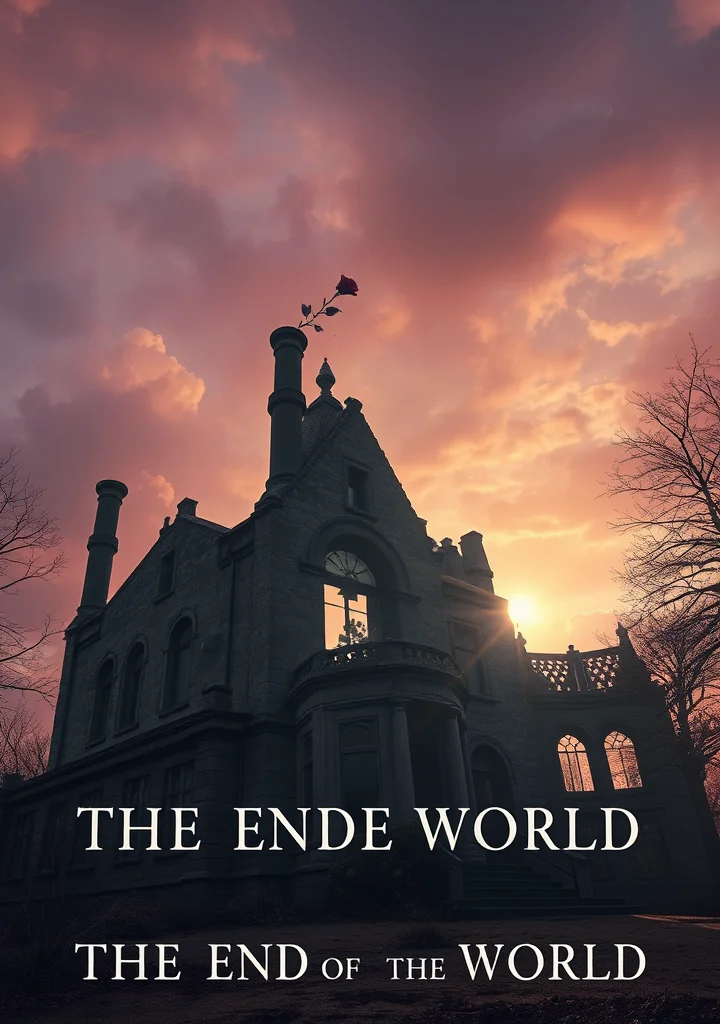

The End of the World
  • 151
  • 0
  • 19
  • Reads 151
  • 0
  • Part 19
Completed, First published Mar 02, 2026

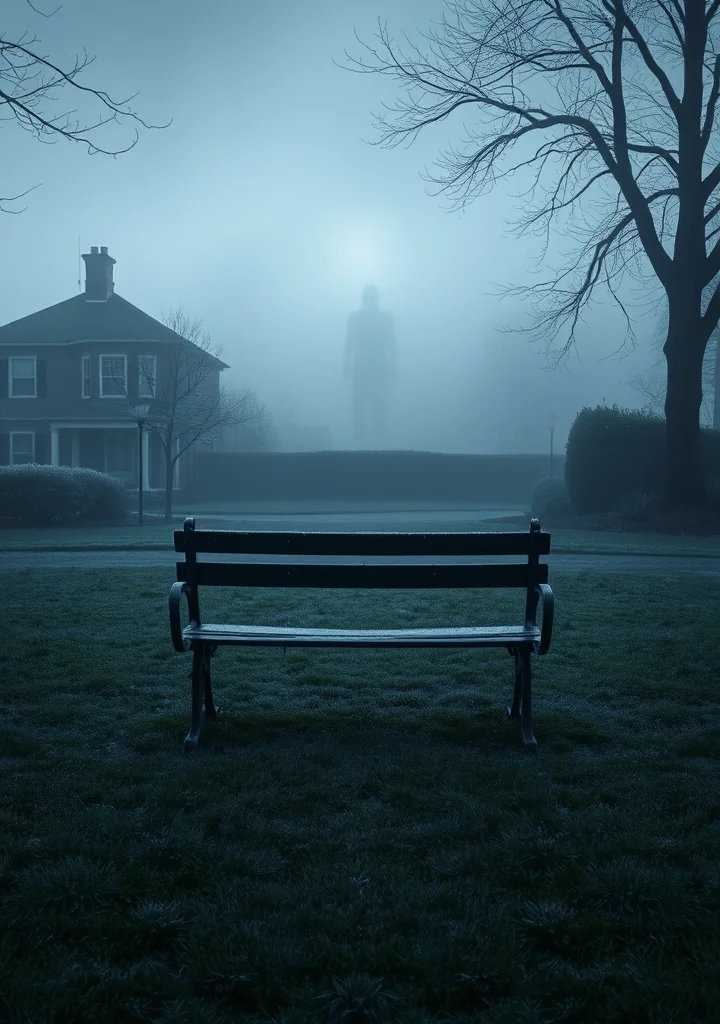
A creeping dread settles with the first page, a chill that isn’t of winter but of finality. Dennis doesn’t offer apocalypse in fire and brimstone, but in the slow, elegant rot of a world willingly shedding its colours. The narrative clings to the crumbling estate of the Ashworths, a family haunted not by ghosts of the past, but by the premonition of *nothing* to come. Each chapter unravels like a fraying tapestry, revealing not monstrous beasts or cosmic horrors, but the quiet, desperate bargains struck with a dying sun. Fog clings to the manor grounds, thick with the scent of brine and decay, mirroring the unraveling sanity of its sole inhabitant, Old Man Ashworth. He collects not relics, but absences – the last songbird’s feather, the final bloom on a withered rose, the echo of a laughter long since silenced. The prose itself feels brittle, like parchment crumbling in your hand, mirroring the disintegration of memory and hope. There are no heroes here, only witnesses. The encroaching darkness isn’t fought, but *accepted*, a slow, suffocating embrace. The true terror isn’t the end, but the suffocating weight of what remains – a hollowed shell of existence, echoing with the ghosts of a world that simply… faded. It’s a story less of destruction, and more of a gentle, terrible unraveling, leaving you not with screams, but with the sound of dust settling on forgotten things.
Copyright: Public Domain
This license allows anyone to use your story for any purpose, including printing, selling, or adapting it into a film freely.

Recommended for you
169 Part
The air hangs thick with woodsmoke and the scent of damp earth, a perpetual twilight clinging to the fringes of England’s last wild spaces. Lavengro unfolds not as a story *told*, but as a half-remembered dream wrestled from the mire of memory, a descent into the shadowed world of the Romani. It breathes with the rhythm of the road, the crackle of fires under star-strewn skies, the rasp of rough-spun cloth against skin. This is a narrative of stolen moments—a boy adrift, caught between the respectable world and the brutal, beautiful lawlessness of the tinklers and gypsies. But the pull of the wild blood, the lure of a life lived outside the gaze of judgement, is more than mere escape. It’s a reckoning with a past steeped in violence, betrayal, and the haunting echoes of familial curses. The prose itself mimics the landscape – thorny, overgrown, and obscuring as much as it reveals. There’s a pervasive sense of dread, not from specters or ghouls, but from the cold, calculated cruelty of men driven to desperation. The characters are ghosts within their own lives, haunted by debts, grudges, and the insatiable hunger for freedom. Lavengro isn’t simply *about* the road; it *is* the road – a twisting, treacherous path leading toward an oblivion of the spirit, where the boundaries between hunter and hunted blur until only the desperate, gasping heartbeat remains. It smells of horses, of iron, of the coming storm, and the quiet resignation of those who have already lost everything.
37 Part
The air hangs thick with the scent of decaying silver and the dust of forgotten ambitions. A shadow stretches from the Cordillera, not of mountains, but of men consumed by avarice. Here, in the heart of a republic built on the bones of empires, a single name—Nostromo—becomes a phantom currency, a legend whispered in the fevered dreams of those who seek to claim a fortune wrested from the earth. But the silver, like a dark god, demands a reckoning. The jungle breathes with betrayal, and the hacienda walls echo with the hollow promises of loyalty. A slow rot creeps through the lives of those entangled in its claim: a captain adrift in a sea of moral compromise, a merchant haunted by the specter of loss, a woman caught between the fervor of revolution and the cold grip of her own desires. Each dawn bleeds into a landscape of simmering unrest, where the lines between honor and desperation blur into indistinguishable shades of grey. The weight of the silver, the weight of a nation’s birth, crushes beneath a suffocating heat. It is a story not of triumph, but of the erosion of faith, of how easily a man, even one of singular strength, can be undone by the very forces he seeks to command. The silence between the crumbling stones holds the screams of the dispossessed, the ghosts of a fortune bought with blood. A darkness rises from the depths of the mines, not just of ore, but of the human heart, and the jungle itself seems to mourn the fall of innocence into the abyss of greed.
143 Part
Dust motes dance in the perpetual twilight of a crumbling estate, mirroring the fractured reflections within its master’s mind. A scholar, consumed by the architecture of virtue, meticulously charts the decay of moral fiber as if mapping a labyrinthine crypt. Each carefully reasoned step through his treatise is a descent into the shadowed chambers of the self, where ambition breeds a chilling stillness and the pursuit of happiness echoes with the hollowness of forgotten prayers. The air hangs thick with the scent of aged parchment and the weight of unfulfilled potential, a suffocating perfume of what *ought* to be versus the creeping rot of what *is*. He dissects the human heart with the cold precision of a surgeon’s blade, revealing not gleaming organs but the brittle bones of regret. Every virtue, examined under the pallid light of reason, casts a long, skeletal shadow—a temptation, a weakness, a betrayal. The garden overgrown with thorny logic yields not blooms, but poisonous thorns that bind the soul to its own inevitable unraveling. A stillness permeates the halls, broken only by the scratching of a quill as he attempts to build a fortress against the encroaching darkness, only to find that the foundations of morality are built on shifting sands, haunted by the ghosts of desires left to fester in the shadows. The narrative is not a story of triumph, but of an endless, spiraling fall into the very heart of human imperfection.
23 Part
The salt-laced wind howls through crumbling stone, carrying whispers of smugglers and ancient dread. Moonfleet is a place where the sea breathes secrets into the very timbers of the village, a place where shadows cling to cobbled streets and the scent of brine mingles with the dust of forgotten generations. A boy, orphaned and adrift, finds himself drawn into a web of clandestine loyalties, bound to a decaying manor haunted by the legacy of Blackwood’s men—pirates who buried their plunder alongside their ghosts. The narrative unfolds like a tide pulling at submerged wreckage. Moonlight spills across hidden coves where sleek vessels slip through the darkness, their holds swollen with illicit gains. A palpable sense of isolation presses down, isolating the characters in a world where the boundary between the living and the dead is porous. The air hangs heavy with superstition, fueled by local lore of ghostly apparitions and the curse of a silver collar. Each chapter is draped in a melancholic mist, echoing with the rhythmic crash of waves against the shore and the mournful cry of gulls. A slow rot permeates the story, not merely of decaying structures but of decaying morality, as the boy’s innocence is chipped away by the brutal realities of the smuggling trade. The narrative is steeped in the claustrophobia of a closed community, where every face holds a hidden motive and every smile conceals a treacherous bargain. Moonfleet is a place where the past refuses to stay buried, and the sea itself demands its due.