
The Conquest of Bread
  • 758
  • 0
  • 72
  • Read 758
  • 0
  • Part 72
Completed, First published Mar 02, 2026

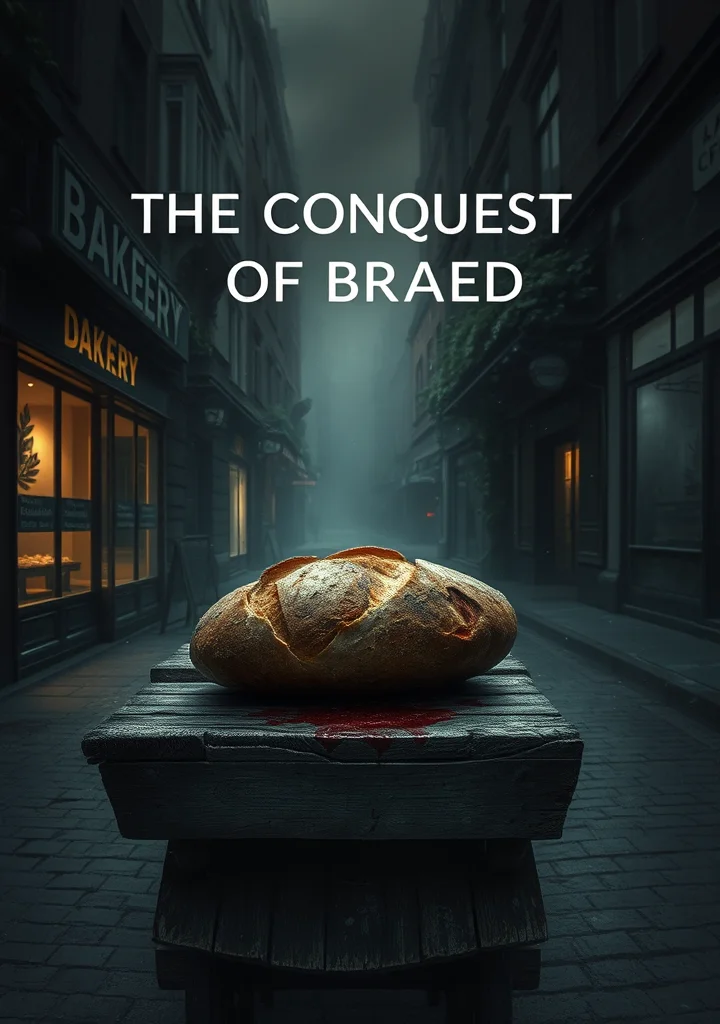
Dust motes dance in the perpetual twilight of abandoned mills and shadowed bakeries. A creeping dread clings to the cobblestones, not of starvation’s gnaw, but of a cold, methodical dismantling of habit. This is not a tale of revolution’s fire, but of its slow, fungal growth within the bones of a dying world. Kropotkin’s vision isn’t one of barricades and blood, but of a silent, relentless erosion of ownership, a reclamation not through violence, but through the ghostly presence of communal need. The narrative exhales a peculiar stillness, like a mausoleum filled with the scent of rising dough and the whispers of forgotten hands. Each chapter unfolds as a spectral blueprint of a possible future, sketched in the dim light of necessity. It’s a world where the boundaries between labour and leisure dissolve into a perpetual, aching grey, where the very act of sharing becomes a haunting ritual. There's a chilling beauty in the prose, a meticulous accounting of resources that feels less like instruction and more like an incantation. The atmosphere is one of damp earth, the metallic tang of tools left to rust, and the unnerving quietude of fields yielding not to a lord, but to the communal breath of those who understand the earth’s yielding is not conquest, but communion. The book doesn’t promise liberation, it presents a slow, unsettling haunting of the old order, a creeping tendril of possibility that leaves one wondering if the ghosts of hunger have finally found their bread.
Copyright: Public Domain
This license allows anyone to use your story for any purpose, including printing, selling, or adapting it into a film freely.
Recommended for you

6 Part
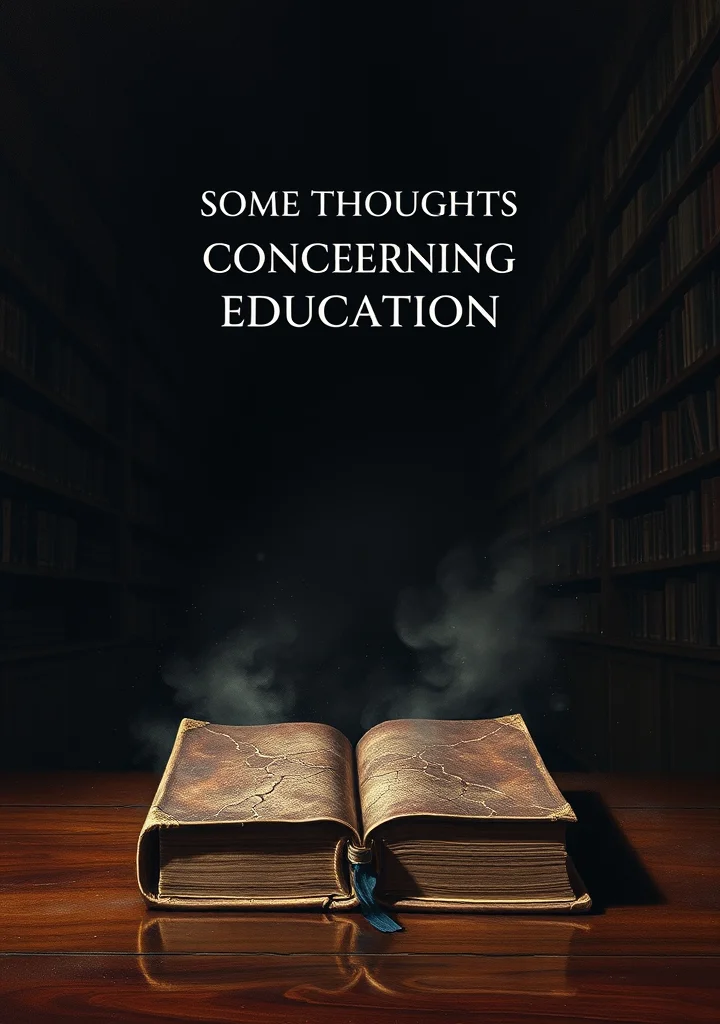
Dust motes dance in the perpetual twilight of a manor house library, where the very stones seem to weep with the weight of forgotten pedagogies. Locke’s treatise, bound in cracked leather, isn't merely read, it’s *absorbed* by the shadowed corners of the mind. Each proposition, each carefully reasoned argument, feels less like instruction and more like an excavation – uncovering the brittle bones of a child’s soul, laid bare to observation. The air thickens with the scent of beeswax and decaying paper, mirroring the slow rot of innocence as it's dissected into habits and virtues. A chill descends not from the winter winds, but from the chilling logic of a system designed to sculpt a being from clay. The garden, glimpsed through leaded windows, is not a place of growth but of imposed order – clipped hedges mirroring the pruning of unruly thought. One senses, lurking between the lines, the ghost of a tutor’s stern gaze, demanding conformity in the very bloom of youth. The narrative isn't one of malice, but of insidious precision. It’s the sound of a key turning in a locked room—the room of the self—and the realization, creeping like ivy across a crumbling wall, that the very foundations of belief are being meticulously, irrevocably reshaped. The silence within the house isn’t peaceful, but a pregnant stillness—a waiting for the echoes of a will imposed, a spirit molded, and the final, hollow resonance of a mind made obedient.
39 Part
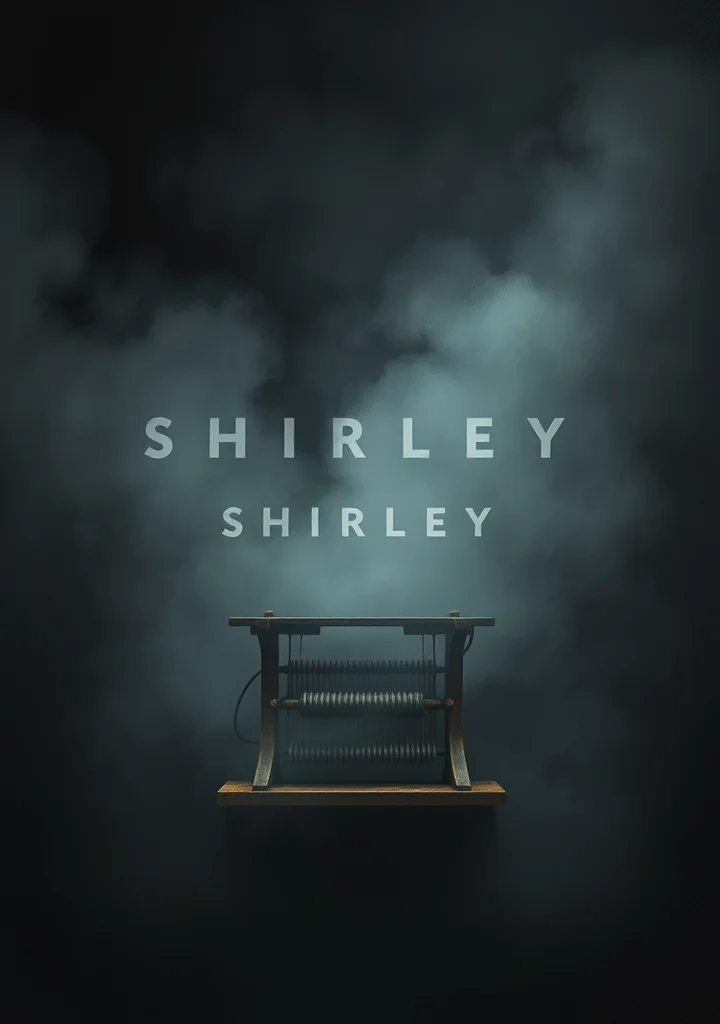
A creeping fog clings to the mill towns of Yorkshire, mirroring the suffocating constraints placed upon women in a society steeped in industry and rigid expectation. Here, amidst the soot-stained brick and the relentless machinery, Shirley Keeldar, a woman of independent spirit and inherited fortune, navigates a landscape of broken strikes and simmering resentments. The air hangs thick with the scent of damp wool and the metallic tang of blood from broken looms, a constant reminder of the lives ground down by progress. Shadows stretch long from the skeletal frames of weaving sheds, mirroring the secret yearnings and frustrations that haunt the lives of those who labor within. A brittle tension winds through the narrative, not of overt horror, but of a slow, insidious decay – a crumbling of tradition, a stifling of ambition, and the chilling realization that even the most willful hearts can be broken against the gears of circumstance. The moorland wind whispers of hidden debts and the ghosts of those lost to the relentless demands of the mills. A sense of isolation permeates every encounter, even within crowded rooms, as characters grapple with their desires and their destinies. It’s a world painted in shades of grey, where hope flickers like a dying ember against the encroaching darkness, and the only escape is found in the quiet rebellion of a defiant soul. The narrative doesn’t scream, it *breathes* with the cold, damp air of a forgotten age, leaving a lingering chill long after the final page is turned.