
The Season Of Silence
  • 75
  • 0
  • 11
  • Read 75
  • 0
  • Part 11
Ongoing, First published May 01, 2026

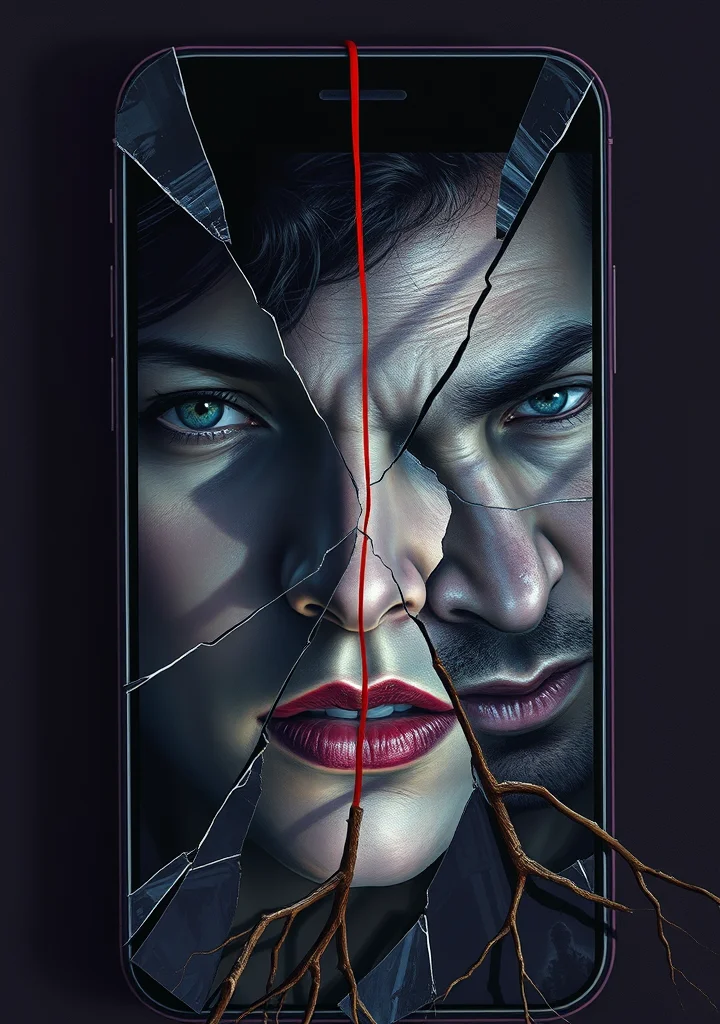
The novel follows the quietude of Mossbury during ‘The Season,’ as Nora Holloway confronts both personal grief and unsettling secrets. Visiting a secluded cottage, Nora begins a tentative exchange with Elara Finch, exploring the weight of unspoken memories. Simultaneously, a hidden warning from her deceased father compels Nora to question Silas Cross, a confrontation that seems strangely anticipated. As a scientist, Nora investigates a possible link between unusual fungal spores and the town’s collective silence, facing obstruction at every turn. These early chapters hint at a growing unease and a determined search for answers hidden within the shadows of the past.
Copyright: All Rights Reserved
No person is allowed to use, redistribute, or modify your work in any form without your explicit permission.
Recommended for you
36 Part
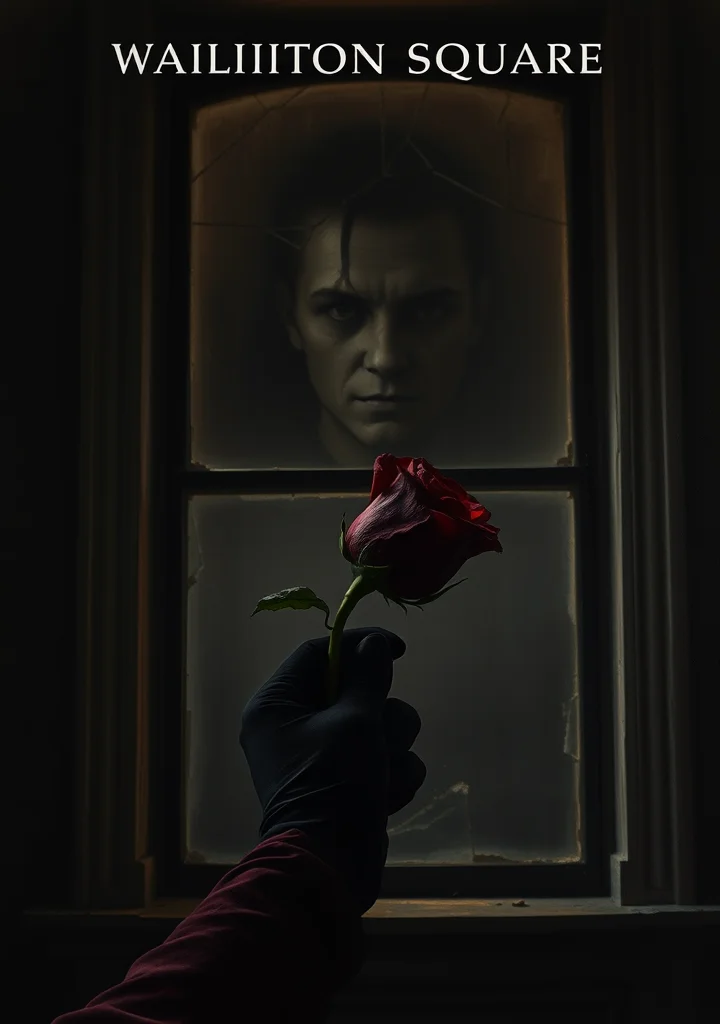
A creeping chill settles over the brownstone facades of New York, mirroring the slow, insidious decay of innocence within Catherine Sloper. The air hangs heavy with unspoken anxieties, thick with the scent of decaying roses and the hushed judgments of a society obsessed with pedigree. Every shadowed corner of Washington Square seems to breathe with the weight of expectation, a gilded cage designed to stifle the blossoming spirit of a woman deemed plain, practical, and possessed of a fortune too easily coveted. A suffocating inheritance becomes a cage of observation, where every glance, every calculated kindness, is a transaction in the currency of social climbing. The narrative unfolds as a slow, deliberate unraveling—a dance between perception and reality, shadowed by the predatory gaze of a man whose motives are as labyrinthine as the wrought iron gates guarding the square. A haunting sense of isolation permeates the story, clinging to the damp cobblestones and echoing in the cavernous parlors. It is a world rendered in shades of grey—the grey of dust motes dancing in sunbeams, the grey of faded portraits mirroring past failures, the grey of a heart slowly calcifying beneath layers of constraint. The very architecture seems to conspire to trap Catherine within a suffocating cycle of appraisal, and the final, desolate revelation will leave a residue of unspoken grief clinging to the reader long after the final page is turned. It is a portrait of a life lived not within warmth and light, but within the glacial shadow of expectation.
297 Part
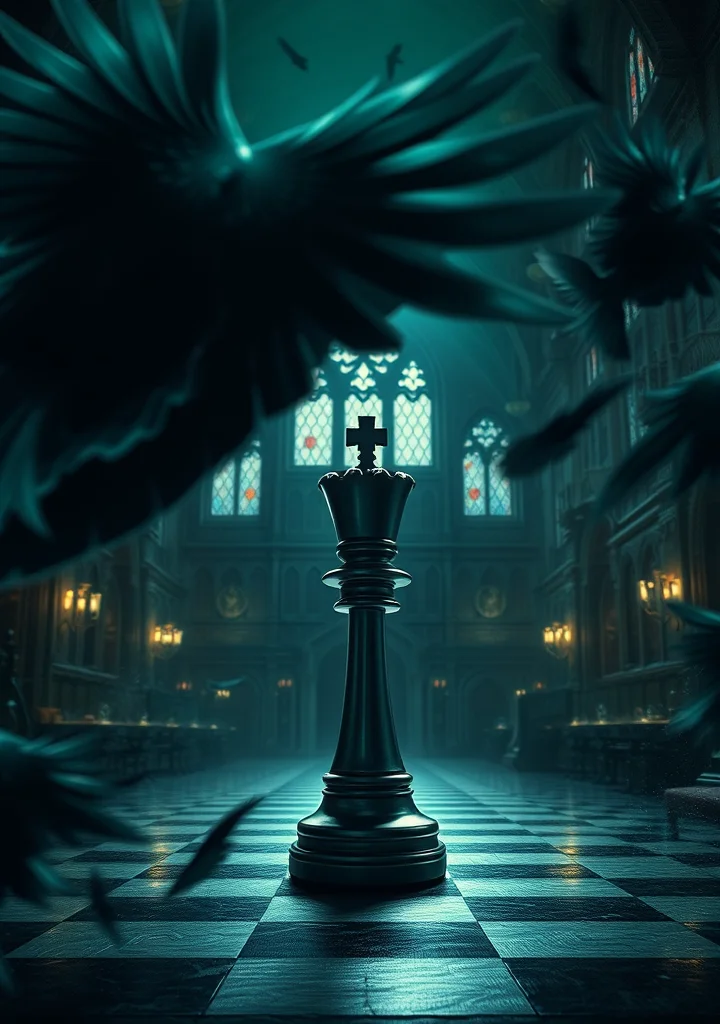
A descent into shadowed valleys where morality itself is a crumbling edifice. The air hangs thick with the scent of decay, not of flesh, but of belief. This is a landscape carved from the obsidian of doubt, where the sun bleeds into a perpetual twilight and the echoes of forgotten gods whisper through fractured minds. It isn’t a story of villains to be vanquished, but of masks discarded, revealing the cold, magnificent indifference beneath. Each chapter unfolds like a slow unraveling—a descent not into sin, but beyond its very definition. The narrative clings to the jagged edges of reason, tracing the contours of a will to power that consumes not with fire, but with a glacial, irresistible logic. Shadows stretch from the ruins of old values, twisting into monstrous forms born of ambition and ressentiment. There are no heroes here, only climbers scaling the precipice of their own self-overcoming, their hands stained with the dust of shattered idols. The silence between the lines is a vast, echoing chasm—a void mirroring the abyss within each self-proclaimed ‘good’ man. It’s a chronicle of becoming, of forging a new dawn from the embers of a dying world, a world where the only truth is the will to create, to destroy, to *become* beyond the shackles of pity and remorse. The landscape is one of perpetual internal warfare, where the battlefield is the self, and the stakes are nothing less than the remaking of existence itself.
13 Part
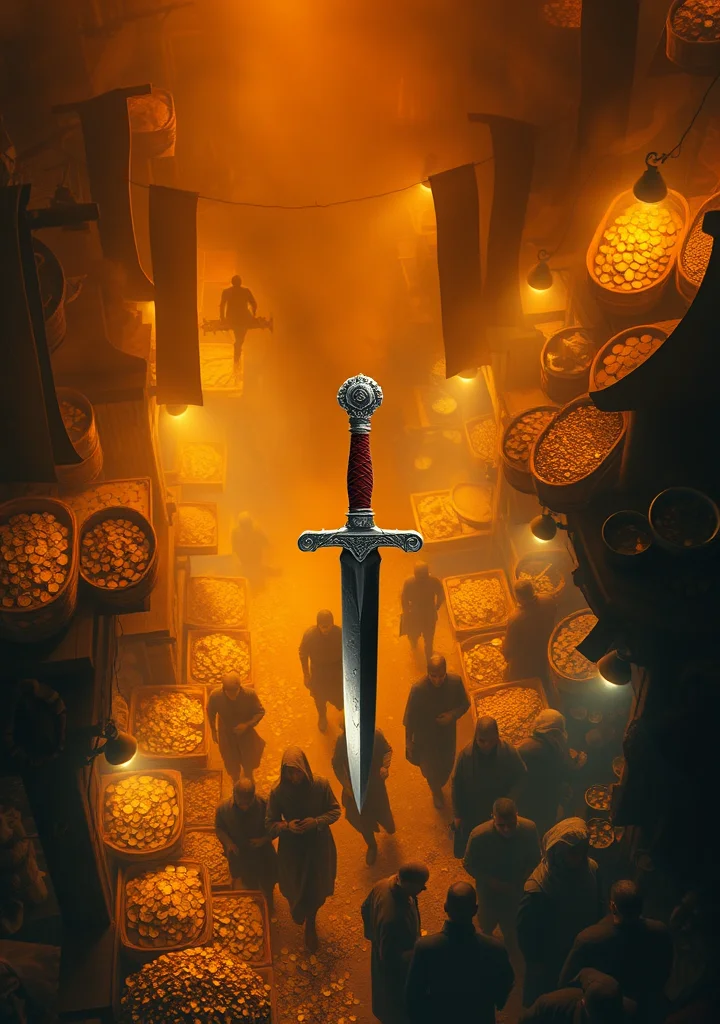
Dust motes dance in the violet light filtering through the orbital glass of Aptor, a city built on the bones of forgotten gods and fueled by the psychic residue of fractured realities. Here, amongst the chrome-slicked spires and the echoing, hollowed-out plazas, the jewels are not gems of wealth, but fragments of memory—stolen glimpses of past lives woven into the very fabric of the city’s decaying architecture. Each stone pulses with a stolen emotion, a lost identity, and the pursuit of these fragments consumes the fractured elite who haunt the higher levels. The air itself is thick with regret, a constant, low thrum of sorrow that clings to the skin like a second shadow. Every reflection is a betrayal, every conversation a veiled transaction in fractured histories. Beneath the polished surfaces, a labyrinth of abandoned levels stretches into a suffocating darkness—a place where the city’s discarded memories fester and the ghosts of Aptor’s architects whisper their broken designs into the static-filled air. A slow rot permeates everything, not of decay, but of *remembering*. The jewels aren't just found, they're *unlocked* from those who've lost themselves in the city's endless halls. To possess one is to inherit a fragment of another’s life, a burden of stolen consciousness that threatens to unravel the self. The closer one gets to the heart of Aptor, to the source of the jewels' power, the more the boundaries between memory and reality blur, and the more one risks becoming nothing more than another echo in the city’s haunting symphony of loss. The city doesn't just watch its inhabitants fall apart—it *remembers* their disintegration.