
The Splendid Spur
  • 130
  • 0
  • 23
  • Reads 130
  • 0
  • Part 23
Completed, First published Mar 02, 2026

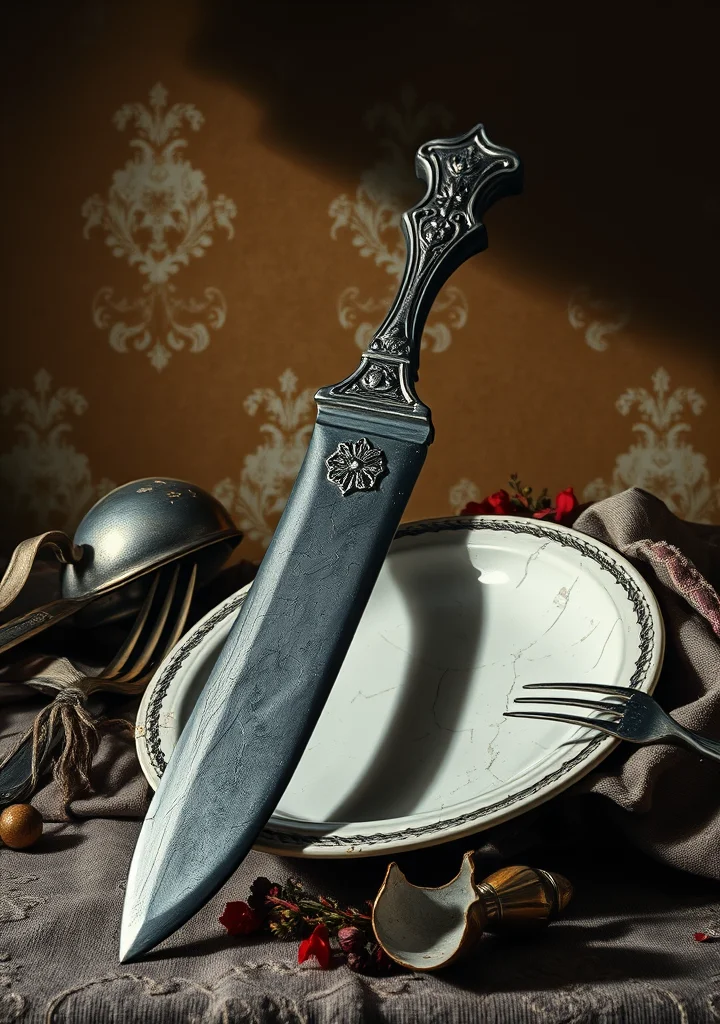
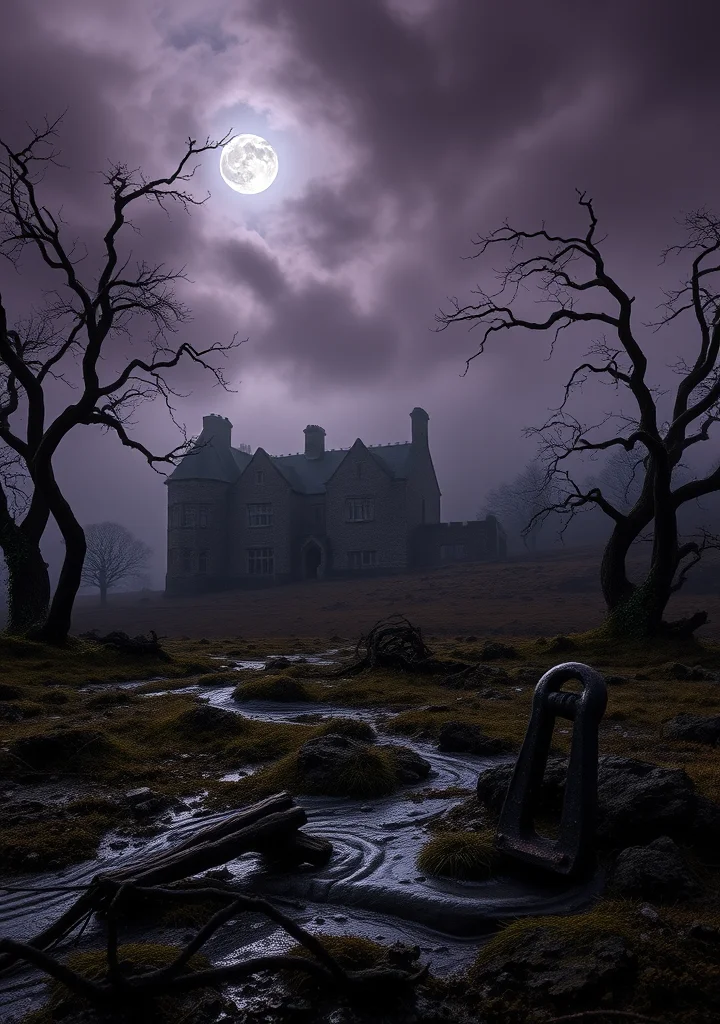
The moor breathes a damp, chilling regret. A single, decaying manor, Blackhall, clings to the precipice like a scabrous wound on the land. Here, the scent of brine and peat rot mingle with the ghost of a wager gone sour—a challenge laid down for the hand of Elodie, the manor’s last, brittle bloom. The story unfurls not in grand halls, but in the choked gorse, the whispering bracken, and the shadowed stables where a horse’s hoofbeat echoes with the cadence of a tightening noose. It’s a tale of obsession, stitched tight with the threads of rural superstition and the bitter tang of thwarted ambition. The ‘Splendid Spur’ itself—a silver heel-piece, a token of victory—becomes a morbid lodestone, drawing men to Blackhall’s shadow and driving them to madness. The air thickens with the weight of unspoken debts, the rustle of unseen watchers in the hawthorn thickets, and the creeping dread that Elodie is not merely a prize, but bait. The narrative is woven through the fog, mirroring the unraveling sanity of those caught within the wager’s web. The very stones of Blackhall seem to weep with the memory of lives claimed by the moor’s cold embrace, and the silence between the chapters is haunted by the phantom cries of a hunt that will never end. A creeping, insidious darkness clings to the story, less a revelation of horror, and more a slow, suffocating absorption into the moor’s malevolent heart.
Copyright: Public Domain
This license allows anyone to use your story for any purpose, including printing, selling, or adapting it into a film freely.
Recommended for you

21 Part
The crumbling Ralestone manor clings to the cliffs like a barnacle to a drowned wreck, perpetually shadowed by the bruised grey sky of the Northumbria coast. Within its damp stone walls, a legacy of misfortune doesn't merely linger, it *breathes*. Old Man Ralestone, they say, made a pact with the sea – trading generations of his family's prosperity for dominion over the treacherous currents. Now, his descendants inherit not wealth, but a creeping dread, a sense of being watched by something ancient and cold rising from the foam. The estate is choked with gnarled hawthorn and choked whispers of drowned sailors. Every high tide seems to drag a fragment of Ralestone's past – a chipped porcelain doll, a rusted fishing hook, a fragment of bone – to the shore. The manor house itself feels less like a dwelling and more like a lunging beast, its corridors twisting into labyrinthine shadows. A chilling, salt-laced wind howls through the empty hearths, carrying the echoes of broken promises and the scent of decay. Each room holds a portrait of a Ralestone, their faces gaunt and haunted, their eyes holding the same haunted recognition of a slow, inevitable sinking into the sea's grasp. The luck isn’t about winning or losing fortunes, but surviving until the next storm washes away another piece of the family’s sanity, leaving only the stones to remember their names. The very air is thick with the weight of a heritage that is not merely cursed, but *claimed* by the ocean’s hungry embrace.
35 Part
The scent of turned earth clings to every page, a primal musk rising from the Norwegian wilderness. This is not a story of heroes or villains, but of a slow, relentless claiming of land, a communion with the soil so absolute it borders on the pagan. A man, Isak, emerges from the shadowed forests, not with ambition, but with an instinct to *become* the land itself. He builds not with grand design, but with the bone-weariness of a creature rooted to the earth, his existence echoing the silent, brutal growth of the pines. The novel breathes with the damp chill of perpetual twilight, the light filtering through branches like the memory of forgotten gods. A creeping sense of isolation permeates the narrative, not of loneliness, but of an ancient, untamed solitude. The arrival of Inger, a woman fractured by dreams of a gilded life, is a splinter of ice in the heart of the burgeoning farm. Her restlessness, her discontent, festers like rot within the new-turned sod. The prose itself is a thing of shadows and whispers, mirroring the long, dark winters and the brief, feverish summers. It is a story of possession – not of property, but of being possessed *by* the land, by the cyclical rhythms of harvest and decay. A creeping dread settles over the reader, a sense that this is not merely a chronicle of farming, but a witnessing of something ancient and unyielding awakening in the heart of the wilderness. The growth isn’t just of the soil, but something within the blood, a claiming of something wild and unholy. It is a slow, suffocating bloom of something ancient and profoundly alone.