
Shifting Rooms
  • 48
  • 0
  • 16
  • Read 48
  • 0
  • Part 16
Completed, First published May 09, 2026

The novel follows Lyra as family tensions escalate following her father’s announcement of a new partner. These early chapters reveal a fractured home life marked by hushed arguments and a brother’s fierce resentment. Later, a disturbing gift and a harrowing wedding lead to a terrifying transformation—not just for Lyra, but for her mother. As a wolf takes root within her, she grapples with loss of control and a chilling new voice. The narrative traces a desperate attempt to maintain secrecy as Lyra and her brother navigate a hidden family legacy and a move to America, seeking refuge with their grandparents.
Copyright: All Rights Reserved
No person is allowed to use, redistribute, or modify your work in any form without your explicit permission.
Recommended for you

13 Part
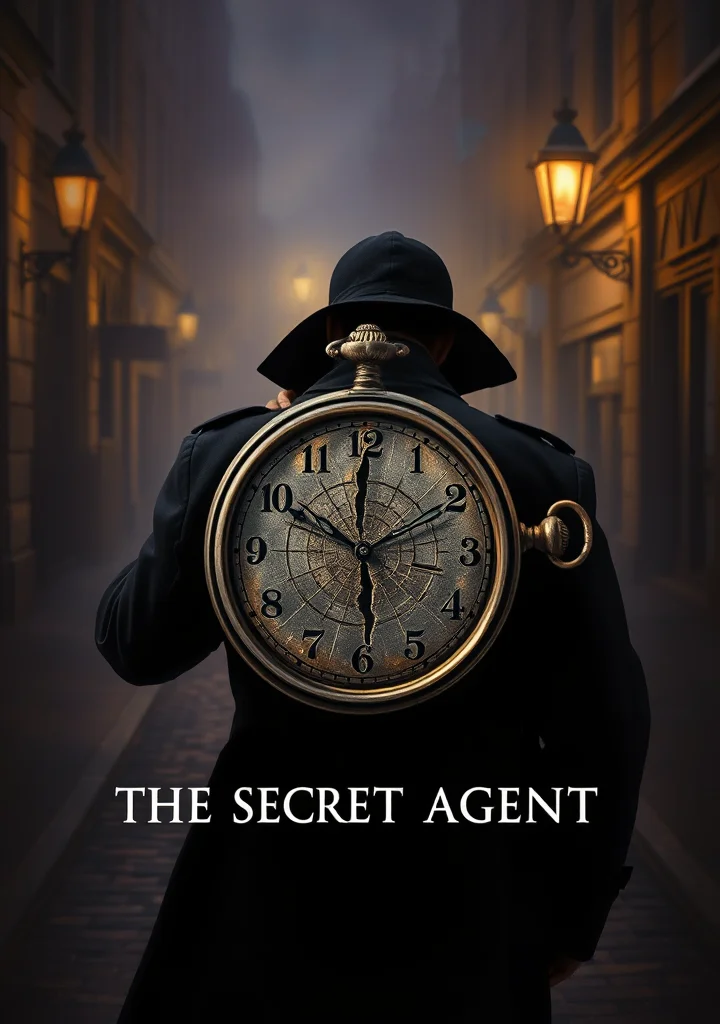
A creeping fog of moral decay clings to the damp cobblestones of 19th-century Europe, mirroring the rot within Winston Churchill’s protagonist, Marlow. Not a tale of daring exploits, but of insidious compromise, of a man hollowed by the weight of a nation’s secrets. The narrative coils like a serpent in the dim parlors of London and the shadowed cafes of Geneva, each whispered confidence a tightening noose. Marlow isn’t merely tasked with espionage; he’s consumed by it, his very identity dissolving into the guise of another’s ambition. The true horror isn’t the plot itself, but the glacial erosion of the soul. Conrad doesn’t offer spectacle, but a suffocating claustrophobia born of suspicion, the constant awareness of being observed, of being a puppet strung along threads of power. Every encounter is veiled in politeness, yet vibrates with a cold, predatory intent. The prose itself is a deliberate, slow burn, mirroring the deliberate pace of the agent’s infiltration. Expect not grand chases or explosive reveals, but the insidious bloom of disillusionment. The novel’s true darkness isn’t found in what is done, but in the casual, almost clinical acceptance of its necessity. It’s a descent into a world where honour is a currency debased by necessity, and where the very act of witnessing leaves its mark like a brand upon the heart. The air hangs heavy with the scent of stale tobacco and unspoken bargains, a chilling premonition of the century's coming shadows.