
The Slytherin Surprise
  • 38
  • 0
  • 7
  • Read 38
  • 0
  • Part 7
Completed, First published May 09, 2026

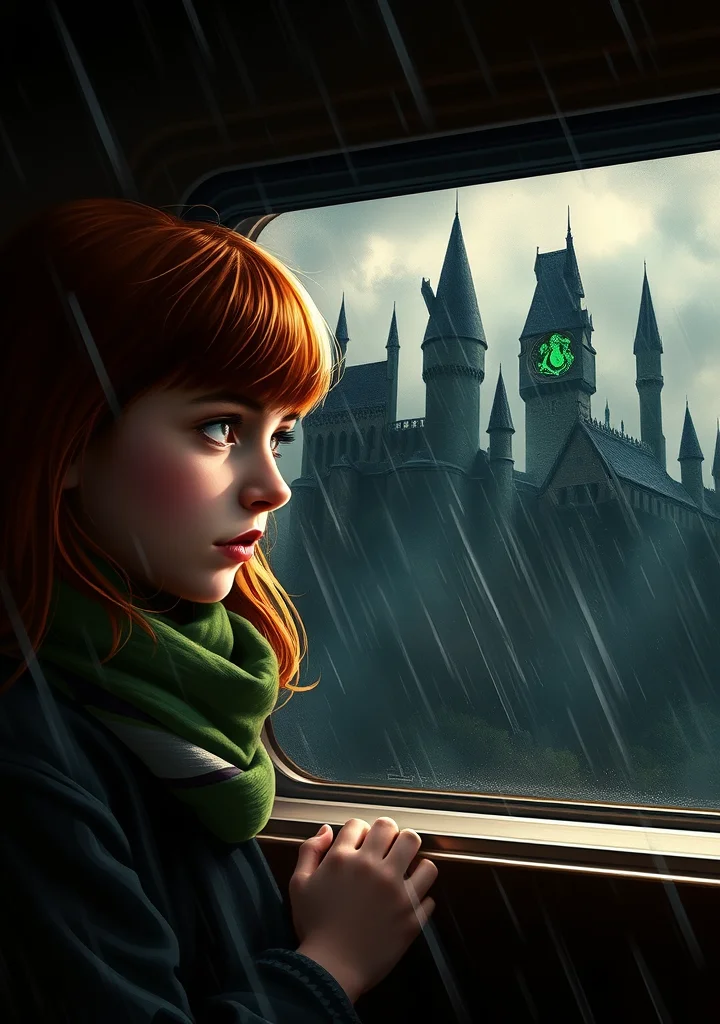
The story opens with Alexandra Weasley’s determined pursuit of new robes and school supplies as she prepares for her first year at Hogwarts. These initial chapters follow Alexandra as she navigates family tensions – particularly with her twin brother Ron – and unexpectedly finds common ground with Draco Malfoy on the train to school. However, her sorting into Slytherin, alongside Draco, delivers a shock to her family and fellow students. The narrative traces Alexandra’s early experiences as she confronts the expectations and divisions within the wizarding world, hinting at a surprising turn for this young witch.
Copyright: All Rights Reserved
No person is allowed to use, redistribute, or modify your work in any form without your explicit permission.
Recommended for you
30 Part
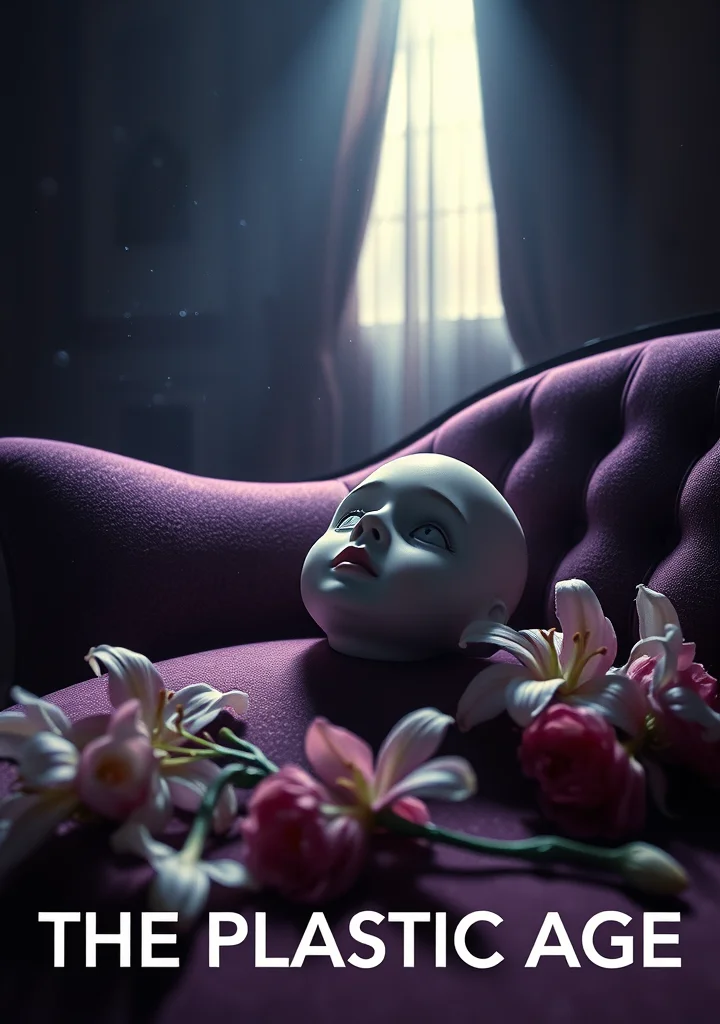
A suffocating stillness clings to the crumbling estate of Blackwood Manor, where whispers of inherited madness and manufactured desires coil like smoke around the brittle bones of its last inhabitants. The air hangs thick with the scent of lilies and something acrid, something *new* – the scent of molded perfection, of faces smooth as porcelain, yet hollowed by an emptiness that mirrors the decay within the manor’s walls. Young Alistair Finch arrives seeking respite, lured by tales of his aunt’s peculiar philanthropy, but finds himself instead swallowed by a society obsessed with ‘refinement.’ Here, beauty is not born, but *constructed*. Faces are remade, personalities reshaped with a chilling precision, all under the watchful gaze of Aunt Isolde, whose smile is as flawless as it is predatory. Alistair discovers the manor’s guests are not merely indulging in vanity, but submitting to a procedure – a sculpting of flesh and will – that promises eternal youth and flawless form. But beneath the polished surfaces, cracks begin to appear. The garden, a labyrinth of sculpted hedges and glass flowers, holds a dark secret: discarded ‘shells’ of those who failed to meet Isolde’s impossible standards. Alistair finds himself drawn to Clara, a woman haunted by fragments of a life she no longer remembers, her eyes mirroring the vacant stare of the mannequins that populate the manor’s shadowed halls. As Alistair unravels the truth, he discovers the price of perfection is not merely beauty, but the very essence of self. The plastic age is not an era of renewal, but of extinction, where humanity is slowly, meticulously, *molded* into oblivion.