
-
Read 175
-
0
-
Part 14
Completed, First published Mar 02, 2026
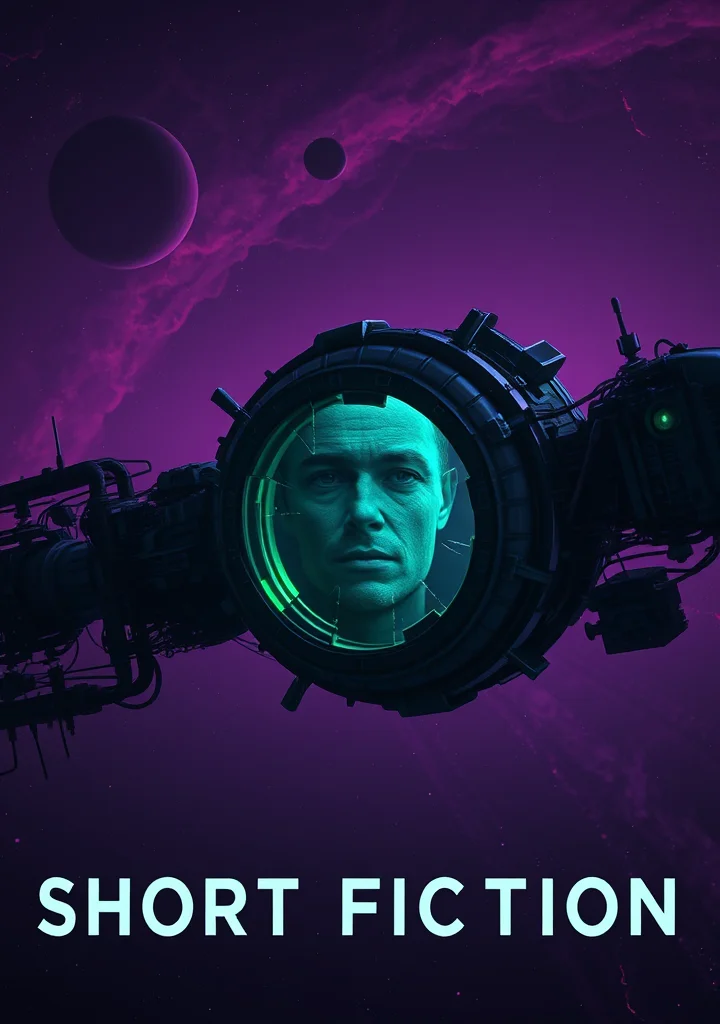
Beneath a bruised, perpetual twilight, the last echoes of humanity drift among the star-haunted wreckage of fallen empires. Here, in the shadowed orbitals and decaying undercities, the remnants of Old North are bartered like ghosts—memories, names, even the very *shape* of a face, all commodities in a universe collapsing inward upon itself. Each story is a shard of glass, refracting the fading light of a forgotten sun. The air tastes of rust and regret, of chrome and the cold burn of psychic grief.
These are tales not of grand battles or soaring triumphs, but of quiet desperation, of the slow unraveling of identity within the vast, indifferent machinery of the Instrumentality. A smuggler trades a lost emotion for passage; a bio-engineered child searches for a phantom father in the star-fields; a lonely instrumentarian wrestles with the weight of eternity.
The narrative breathes with the scent of ozone and dying circuitry. It is a world where the human heart, stripped of its context, beats on in the hollowed-out husks of machines, and where the boundaries between flesh and steel, dream and reality, have long since dissolved into a shimmering, melancholic haze. A creeping unease settles with each page, a sense that the very stars themselves are weeping for what has been lost. This is a fiction born of decay, steeped in the dust of fallen gods, and hauntingly beautiful in its utter, desolate grace.
Copyright: Public Domain
This license allows anyone to use your story for any purpose, including printing, selling, or adapting it into a film freely.
This license allows anyone to use your story for any purpose, including printing, selling, or adapting it into a film freely.
Recommended for you