
-
Read 420
-
0
-
Part 20
Completed, First published Mar 02, 2026
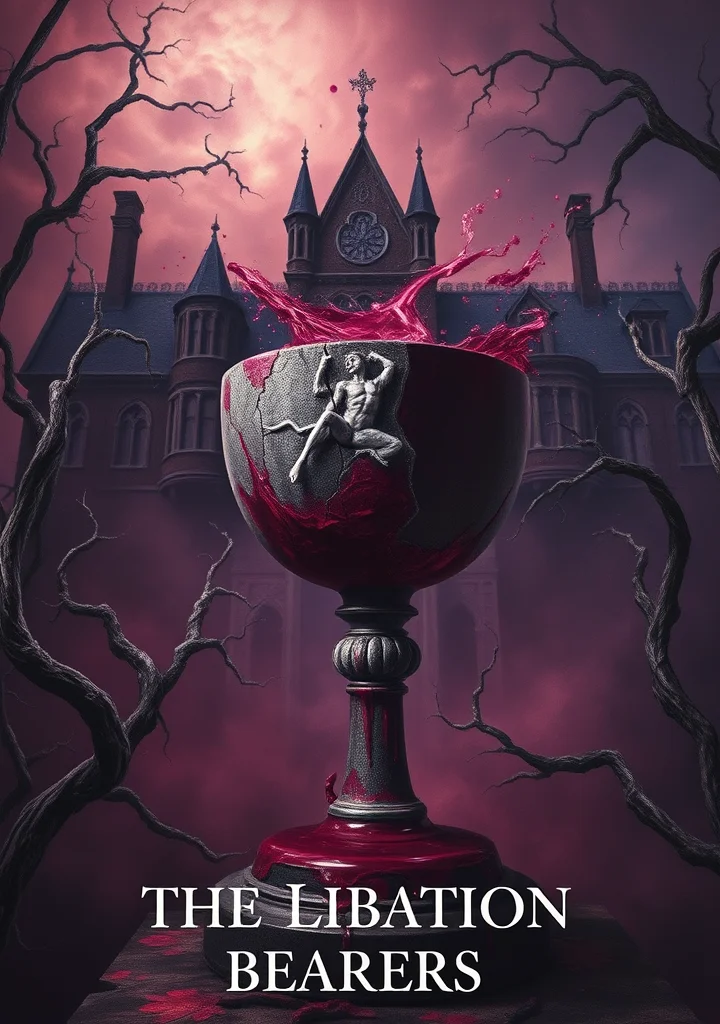
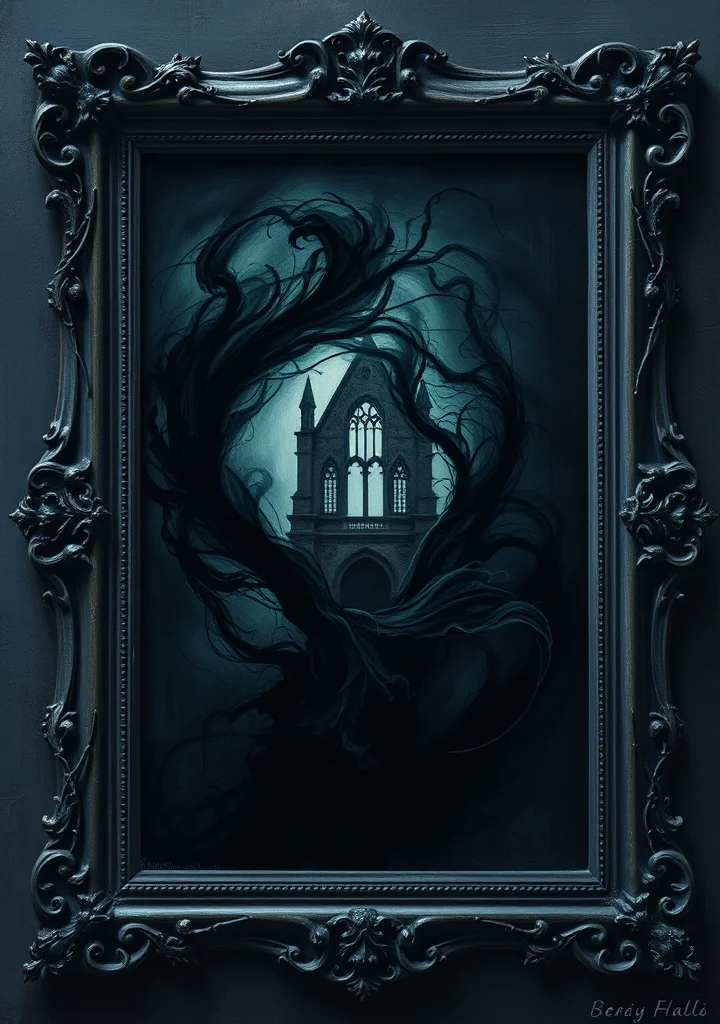
A creeping dread clings to the crumbling manor of Blackwood Hall, where Philip Jettan, a man haunted by shadowed debts and a past he cannot outrun, seeks refuge. But Blackwood is not merely stone and timber; it breathes with a suffocating history, a legacy of whispered madness and illicit bargains struck in the dead of night. As Philip attempts to settle his inherited estate, a slow, insidious metamorphosis takes hold. Not of body, but of spirit. The portraits in the long gallery seem to watch him with judging eyes, the very air grows thick with a chilling expectancy, and the locals speak of a curse that clings to the Jettan line. He finds himself drawn into a labyrinth of ancestral secrets, shadowed by the spectral echo of a family tragedy. The transformation isn’t one of violent possession, but of insidious unraveling, a gentle decay of reason as Philip succumbs to the suffocating weight of Blackwood’s history. Each inherited object, each darkened corridor, becomes a mirror reflecting not his face, but the creeping madness that has claimed generations before him. The scent of decay is not merely in the rotting wood, but in the slow erosion of Philip's own identity, replaced by something ancient, something hungry, and utterly, irrevocably lost to the shadows of Blackwood Hall.
Copyright: Public Domain
This license allows anyone to use your story for any purpose, including printing, selling, or adapting it into a film freely.
This license allows anyone to use your story for any purpose, including printing, selling, or adapting it into a film freely.
Recommended for you