
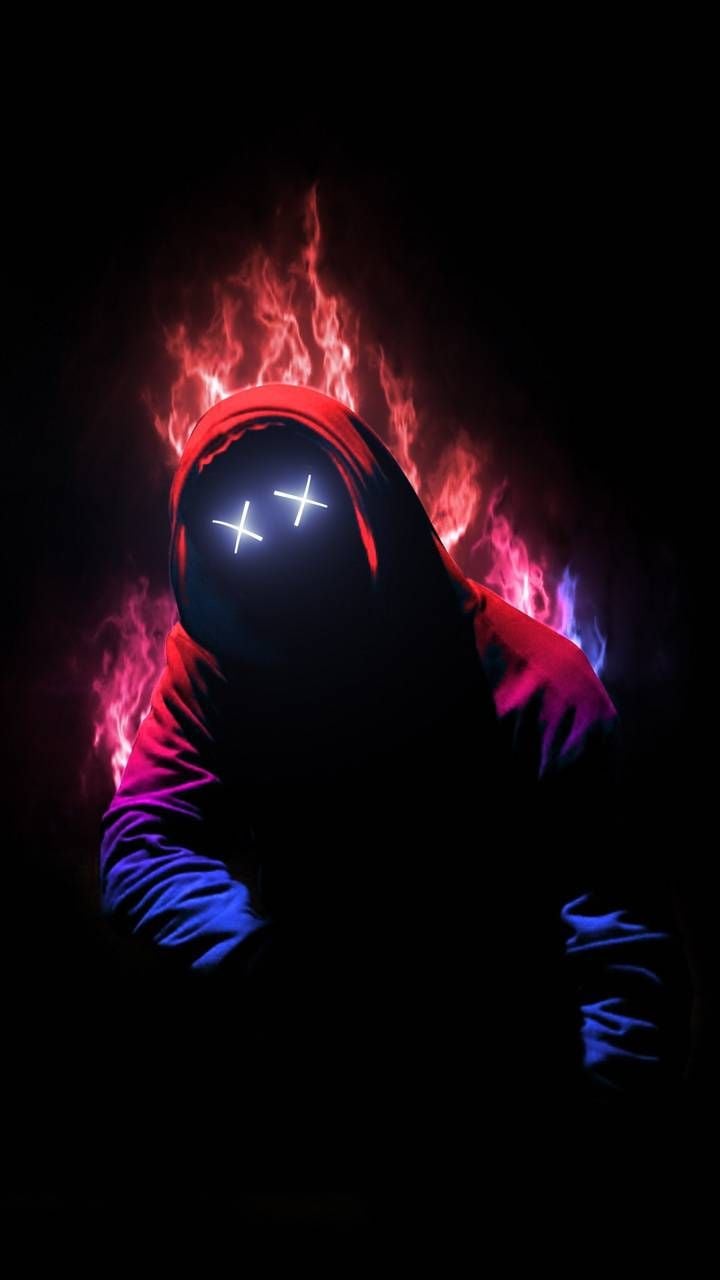
The dim light of dawn seeped through the grimy window, casting stark shadows across the worn wooden floor. Julian Cross knelt beside the narrow bed, his fingers trembling as he adjusted the pillow beneath the head of a woman who clung to life by a thread. Her breaths were shallow, each one a ragged whisper against the silence.
He had seen death too many times, but this time it was different. The mother's eyes fluttered open, a faint glimmer of consciousness in their hazel depths. She reached out, her hand gripping his with an unexpected strength. "Please," she rasped, "make it stop."
Julian's throat constricted. He had administered the dose himself—a mixture of herbs and tinctures meant to ease her pain. But he knew—knew with a cold certainty—that it was more than just relief coursing through her veins. It was mercy, yes, but also a silent confession of his own failure.
Her grip tightened, as if sensing his turmoil. "My baby," she whispered, "he's all I have left."
Julian glanced at the bundle in the corner, a swaddled form sleeping fitfully. The child, uninfected thus far, was her only hope. But it was a fragile one; the plague had a way of claiming everyone it touched.
"Sh-h," he soothed, patting her hand gently. "He's strong. He'll be fine."
Her eyes searched his, pleading. "Promise me..."
Julian hesitated, then nodded. The lie felt bitter on his tongue. Promises were for those who could keep them, and he was not that man anymore.
"Promise," she insisted, her voice barely audible.
"I promise," he whispered back, the words hanging heavy in the air.
She released his hand, her arm falling limp to the side. Her eyes closed, and for a moment, Julian thought she had slipped away. But then came another ragged breath, and another. He stayed by her side, counting each one until they grew fewer and farther between.
When finally there were no more breaths left, he gently closed her eyelids. The room felt colder, the silence more profound. He stood, his joints creaking with stiffness, and crossed to the table where his satchel lay open. From it, he withdrew a small, worn leather journal and a pencil.
He turned to a blank page and, with deliberate care, made a single mark. A vertical line, stark against the pristine white paper. Beside it, he wrote: 1 life lost.
The words seemed to bleed into the page, a haunting reminder of his failure. He traced the mark with his fingertip, feeling the faint ridge left by the pencil lead. This was his tally now, his penance. Each life he could not save would be recorded here, a testament to his inadequacy.
Julian packed away the journal and slung his satchel over his shoulder. The room seemed smaller, the air thinner. He took one last look at the mother's still form, then at the sleeping child. His promise echoed in her mind, a burden he was not sure he could bear.
He stepped out into the chill morning air, leaving the door ajar behind him. The village was quiet, the usual bustle stifled by the unspoken fear that hung heavy in the streets. Julian walked with his head down, his boots scuffing against the dirt path.
A figure emerged from the shadows of an alleyway—a woman, her face gaunt and eyes wild. She blocked his path, her voice a hiss. "You did this!" she accused, spittle flecking her lips. "You brought the plague here!"
Julian flinched but met her gaze steadily. "I am trying to help," he said, his voice flat.
She scoffed, her laugh sharp and bitter. "Help? You call this helping?"
Before Julian could respond, a commotion erupted behind him. A group of villagers rounded the corner, their faces contorted with anger and grief. They surged forward, voices raised in accusation. Julian stood rooted to the spot, letting their words wash over him.
"Murderer!"
"A plague-bearer!"
Their shouts echoed through the village, a chorus of rage and despair. Julian felt each word like a physical blow, but he did not react. He deserved this, every harsh syllable.
When they finally fell silent, panting and glaring, Julian spoke softly, "I will leave."
The woman who had first confronted him sneered. "Leave? You think that's enough?"
Julian nodded. "It is all I have to give."
He turned and walked away, their gazes burning into his back. He did not look back as he crossed the village square, past the well where children usually gathered but now stood empty, past the small church with its weathered stones and silent bell.
At the edge of the village, he paused. The forest loomed ahead, dark and forbidding. It was a place of shadows and secrets, a fitting exile for someone like him. He took a deep breath, steeling himself against the dread that coiled in his gut.
"Goodbye," he murmured to no one, stepping into the undergrowth. The branches snagged at his cloak, as if trying to hold him back. But Julian pressed on, disappearing into the green darkness.
Days turned into weeks as Julian wandered deeper into the forest. The canopy above grew denser, blocking out most of the light. He moved like a ghost, silent and unnoticed, through the gnarled trees. His satchel was heavier now, laden with supplies scavenged from abandoned cottages and hunter's traps.
The solitude was a bitter balm, soothing his raw nerves but leaving him hollow inside. Each night, he would sit by his fire, journal open on his lap, and add another mark to his tally. 2 lives lost. 3 lives lost. The numbers climbed steadily, each one a silent accusation.
One evening, as the sun dipped below the horizon, Julian found himself at the edge of a small clearing. A faint scent of smoke lingered in the air, and he paused, senses alert. He crept forward, his footsteps muffled by the undergrowth.
In the center of the clearing stood a makeshift shelter, its walls woven from branches and thatch. A thin wisp of smoke curled from a stone chimney, disappearing into the twilight sky. Julian's heart pounded in his chest as he approached, drawn to the warmth and light emanating from within.
He pushed aside the flap covering the entrance and stepped inside. The interior was dimly lit by a small fire, casting flickering shadows on the dirt floor. A figure huddled near the flames, wrapped in furs and blankets. Julian hesitated, then cleared his throat softly.
The figure stirred, turning to face him. It was an old woman, her eyes clouded with cataracts but sharp with recognition. She regarded him steadily, her voice barely above a whisper. "You're new here."
Julian nodded, unsure of what to say. The old woman gestured to the fire. "Sit," she commanded gently. "It's cold out there."
He sank down onto the hard ground, feeling the warmth seep into his chilled bones. The old woman offered him a gnarled root, her hands trembling slightly. "Eat," she said. "You look half-starved."
Julian accepted the root, turning it over in his hands. It was rough and bitter-tasting, but he chewed slowly, grateful for the sustenance.
As they sat in silence, Julian felt a strange sense of peace settle over him. It was fleeting, a momentary respite from the storm raging inside him. But it was enough. For now, at least, he could breathe.
The old woman watched him, her expression inscrutable. Finally, she spoke, her voice barely audible. "You're not like the others," she said. "What brings you to this place?"
Julian looked into the fire, the flames dancing and shifting before his eyes. He thought of the mother's plea, the child left behind, the tally in his journal. The weight of it all pressed down on him, a physical pain in his chest.
"I made a mistake," he said softly. "A terrible one."
The old woman nodded, as if understanding something he could not see. She reached out, her hand covering his briefly. Her skin was cool and dry against his own. "We all make mistakes," she said. "The question is, what do you do with them?"
Julian met her gaze, finding a strange comfort in her presence. He did not know the answer to that question, but he hoped—hoped desperately—that this encounter might show him the way.
He opened his journal then, flipping through the pages filled with vertical lines and stark numbers. The old woman leaned closer, her breath warm against his cheek. She traced a finger along one of the marks, her touch light as a feather. "These are your burdens," she said softly. "Carry them well."
Julian closed the journal, feeling a shiver run down his spine. He looked at the old woman, gratitude swelling in his chest. "Thank you," he whispered.
She smiled, a small curve of her lips that held no warmth. "You're welcome, child. But remember this—burdens are meant to be shared."
With those words, she turned back to the fire, leaving Julian alone with his thoughts and the echo of her wisdom. He stayed by her side for what felt like hours, the silence between them comfortable and unspoken.
As the night deepened, Julian rose to leave. The old woman looked up at him, her eyes reflecting the dance of the flames. "Where will you go now?" she asked.
Julian hesitated, then shook his head. "I don't know," he admitted. "But I have to keep moving."
She nodded, as if that was the answer she expected. "Then go," she said. "And may your path be lit by something other than guilt."
He stepped out of the shelter, the cool night air a stark contrast to the warmth inside. As he walked away, Julian couldn't shake the feeling that this encounter had changed something within him. He felt lighter, somehow, as if a small part of his burden had been lifted.
In the distance, the first light of dawn began to break through the trees. Julian looked back once more at the old woman's shelter, then turned towards the rising sun. His steps were steadier now, his resolve renewed. He would keep moving, keep counting, and maybe—just maybe—find a way to redeem himself.
The forest thickened around him, the trees closing in like sentries guarding a secret path. Julian walked with a newfound purpose, each step echoing the old woman's words. Burdens are meant to be shared, she had said. But how could he share this? The guilt was his alone, a poison coursing through his veins.
He thought of the child left behind, the promise he had made and couldn't keep. The tally in his journal seemed to mock him now, each mark a reminder of his failure. Yet, there was a clarity in his steps, a determination that hadn't been there before. He would find a way to balance the scales, to make amends for his mistakes.
As he walked, the forest began to change. The trees thinned slightly, and the underbrush grew sparser. Ahead, he saw a glint of water—a stream cutting through the landscape like a silver ribbon. Julian quickened his pace, drawn to the sound of flowing water.
Kneeling at the stream's edge, he cupped his hands and drank deeply, the cool liquid reviving him. He splashed water on his face, washing away the grime and sweat. As he straightened up, he noticed something peculiar—a small, intricately carved wooden figure half-buried in the mud near the bank.
He picked it up, brushing off the dirt to reveal a finely crafted figurine of a bird. It was delicate, almost fragile in his hands. Julian turned it over, tracing the smooth curves with his fingertips. There was something familiar about it, a memory stirring just beyond his reach.
With the figurine tucked safely in his pocket, Julian continued along the stream. The water flowed beside him, a constant companion in the silence of the forest. He walked for what felt like hours, the weight of his burden lessening with each step.
As the day wore on, he found himself at the edge of another clearing. This one was larger, bathed in dappled sunlight filtering through the canopy above. In the center stood a towering oak tree, its gnarled roots stretching out like welcoming arms.
Julian approached the tree, drawn to its ancient presence. He ran his hand over the rough bark, feeling the pulse of life beneath his fingertips. There was a carving on the trunk—a symbol he recognized from his days as an apprentice healer: a circle with three wavy lines radiating outward.
He traced the symbol, a sense of deja vu washing over him. This tree, this place—it felt familiar, yet elusive. Julian closed his eyes, letting the memories surface. He saw himself as a younger man, learning the art of healing from an old mentor. The lessons, the rituals, the sacred symbols...
A sudden gust of wind rustled the leaves above, snapping him back to the present. Julian opened his eyes, feeling a renewed sense of urgency. He had been here before, in another life. And now, he was being called back.
With newfound determination, Julian set off again, following the stream as it wound deeper into the heart of the forest. The landscape shifted around him, the trees growing denser and more twisted. But he pressed on, guided by an inner compass he hadn't known existed.
As night fell, Julian found himself in a familiar glade. A small fire burned in the center, casting a warm glow over the surrounding foliage. He approached cautiously, his heart pounding in his chest. Around the fire sat several figures, their faces obscured by shadows.
One of them looked up as he entered, her eyes reflecting the dance of the flames. It was the old woman from the shelter, but younger—her gaze sharp and piercing. She regarded him for a moment before speaking, her voice clear and strong. "You've returned," she said simply.
Julian nodded, unsure of what to say. The others around the fire turned to look at him, their expressions inscrutable. He felt a mix of curiosity and apprehension, but also a strange sense of belonging.
The old woman stood, gesturing for him to join her by the fire. "Come," she said. "There is much to discuss."
Julian hesitated only a moment before stepping into the circle of light. As he took his place beside her, he felt a warmth spread through him—a sense of connection and purpose that had been missing for so long.
"Who are you?" he asked softly, his voice barely audible over the crackling of the flames.
She smiled, a genuine smile this time, filled with wisdom and understanding. "We are the remnants," she said. "Those who have survived the plague and seek to understand its true nature."
Julian listened intently as she spoke, her words weaving a tapestry of knowledge and mystery. He felt a spark ignite within him—a glimmer of hope that perhaps his journey was not in vain, that there was a greater purpose behind his suffering.
As the night wore on, Julian shared his own story—the mother's death, the promise broken, the tally in his journal. The remnants listened, their expressions ranging from sorrow to understanding. When he finished, they were silent for a moment before one of them spoke up.
"You carry a heavy burden," the man said, his voice gruff but kind. "But you are not alone."
Julian looked around at the faces gathered in the circle, feeling a sense of community he hadn't known since leaving the village. For the first time in what felt like an eternity, he allowed himself to hope—that maybe, just maybe, he could find redemption after all.
The fire burned low as dawn approached, casting long shadows across the glade. Julian stood, his resolve strengthened by the night's revelations. He thanked the remnants for their hospitality and understanding, promising to return if his path led him this way again.
As he stepped back into the forest, Julian felt a sense of clarity and purpose. The old woman's words echoed in his mind—burdens are meant to be shared. And for the first time, he believed it. He would carry on, seeking answers and redemption, but no longer alone.
With each step deeper into the wilderness, Julian's journey took on new meaning. The forest, once a place of exile and despair, now felt like a sanctuary—a path to understanding and atonement. And though the road ahead was uncertain, he walked it with steadier steps, guided by hope and the echoes of wisdom shared around the fire.