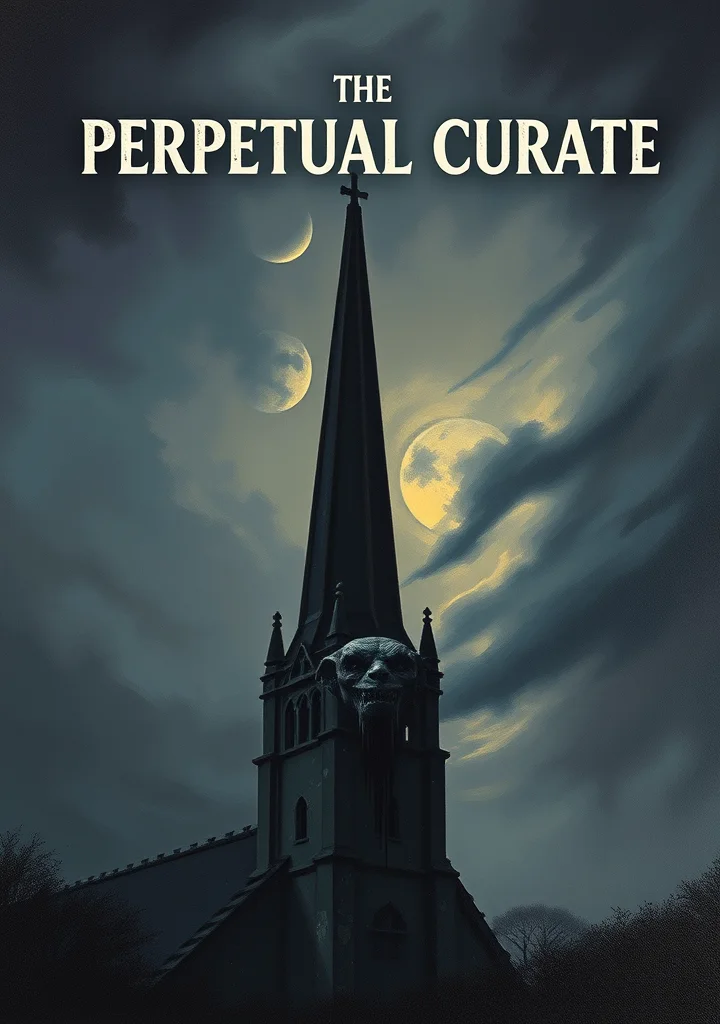

The Perpetual Curate
  • 368
  • 0
  • 52
  • Reads 368
  • 0
  • Part 52
Completed, First published Mar 02, 2026

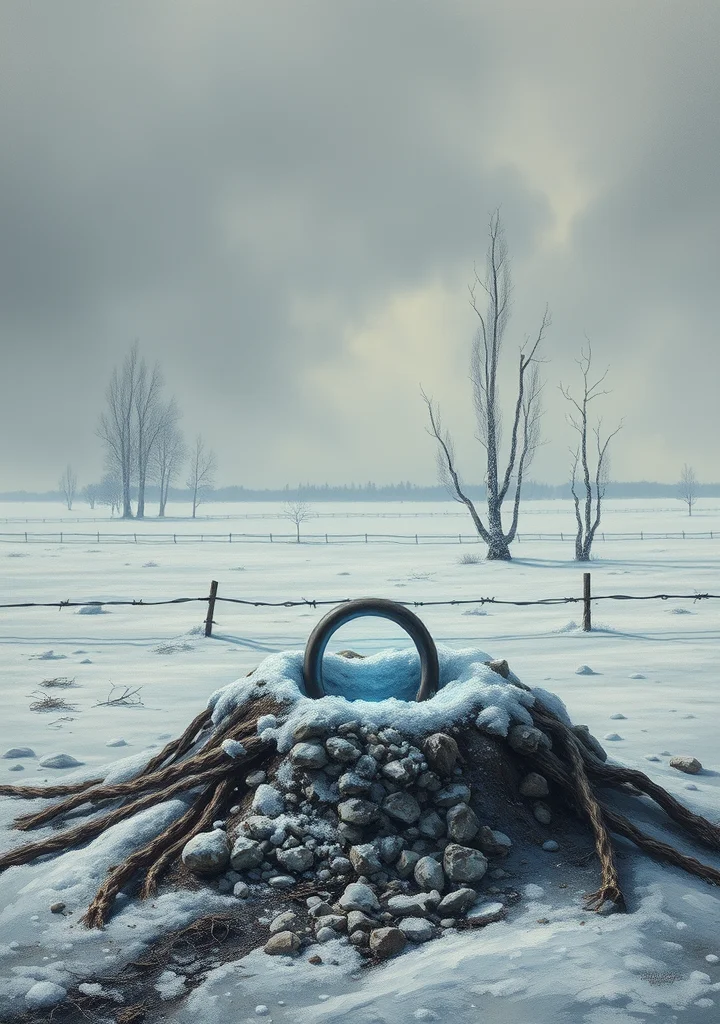
A creeping dread clings to the shadowed lanes of rural England, where the Reverend Alban Emlyn, a man haunted by a past he cannot escape, finds himself bound to the decaying parish of Draymouth. The stone of the church itself seems to weep with the weight of forgotten sins, mirroring the melancholic resignation in Alban’s own eyes. His days are a procession of quiet duties, punctuated by the rustling whispers of the villagers and the oppressive silence of his inherited rectory. But beneath the surface of pastoral calm, a subtle rot festers—a legacy of forbidden affections, spectral visitations, and a family curse that stretches back generations. The very air grows thick with the scent of damp earth and regret as Alban’s devotion becomes less a calling and more a morbid tether to a spectral inheritance. Every hymn sung, every prayer offered, feels less like solace and more like a desperate attempt to ward off the encroaching darkness, both within the crumbling walls of Draymouth and within the crumbling edifice of Alban’s own soul. The perpetual curate is not merely a man of the cloth, but a living relic, slowly consumed by the spectral demands of a past he can neither understand nor resist. The story unfolds like a half-remembered nightmare, steeped in the oppressive stillness of a landscape where every shadow conceals a haunting, and every breath carries the weight of unspeakable secrets.

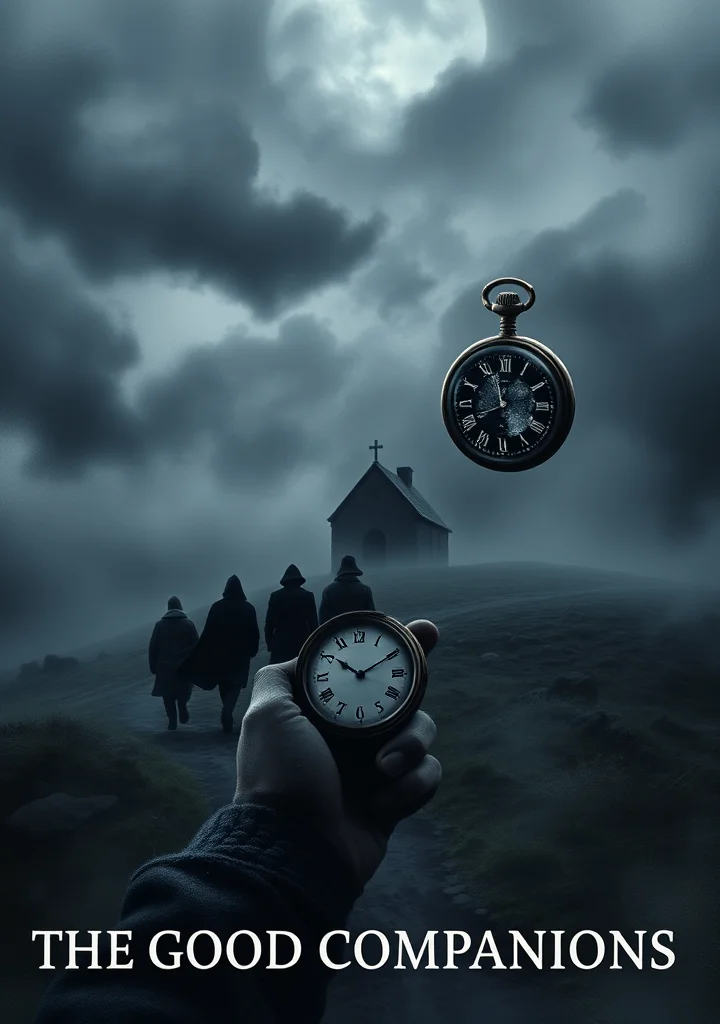

Copyright: Public Domain
This license allows anyone to use your story for any purpose, including printing, selling, or adapting it into a film freely.
Chapter List

52

Recommended for you
72 Part
The fog clings to the crumbling facades of the unnamed city, mirroring the decay within Elias Thorne. He walks a perpetual twilight, haunted by fragments of a life both lived and unlived—a surgeon’s detachment from flesh, a soldier’s apathy toward slaughter, a scholar’s cold dissection of the human heart. Each cobbled street exhales the ghosts of forgotten debts, of promises whispered in sulfurous dens. Thorne isn’t seeking redemption, only observation, meticulously charting the unraveling of sanity as he drifts between the opulent rot of the aristocracy and the festering wounds of the slums. His journal, a ledger of morbid curiosities, details not grand conspiracies but the exquisite, creeping despair of ordinary men driven to monstrous acts by quiet desperation. The narrative isn’t one of revelation, but of erosion—the slow, deliberate crumbling of belief, the grinding down of hope into dust. The city itself is a character, breathing with a feverish pulse of corruption, its shadows deepening with each page Thorne fills. It’s a study in the geometry of grief, a precise mapping of the places where the veil thins and the abyss gazes back. There is no escape, only the deepening conviction that all life is a meticulously constructed artifice, designed to conceal a void that yawns beneath every stone, every smile, every heartbeat. The true horror is not what Thorne witnesses, but the realization that it is simply… expected.
52 Part
A creeping dread clings to the shadowed orchards and crumbling khutors of Shevchenko’s *Poetry*. It isn’t a tale of grand horrors, but of a slow rot consuming the soul, witnessed through eyes haunted by the vast, indifferent steppes. The narrative unfolds like a fever dream—fragmented, lyrical, and steeped in the melancholic scent of damp earth and decaying sunflowers. Each verse bleeds into the next, mirroring the blurring of memory and reality within the minds of those exiled, those bound to the land by chains of sorrow and longing. The air hangs thick with the weight of unfulfilled desires and the ghosts of Cossack glories, rendered brittle by years of oppression. Walls whisper with the lamentations of women left behind, and the wind carries the cries of children lost to famine. A sense of impending doom isn’t delivered through spectacle, but through the relentless accumulation of small, brutal details—a chipped icon in a deserted chapel, a raven’s feather found clutched in a dead hand, the taste of iron in the well water. The prose itself is a landscape of fractured beauty—sun-drenched fields concealing graves, a sky bruised purple with regret. It’s a narrative not of what *happens*, but of what *remains*—the lingering echo of a broken heart, the dust of forgotten villages, the chilling realization that even in oblivion, the land remembers everything, and judges all. A suffocating stillness permeates the work, broken only by the distant howl of wolves and the rustling of secrets in the wheat fields. The story doesn’t end; it simply dissolves into the horizon, leaving you adrift in a sea of unending grey.
22 Part
Dust motes dance in perpetual twilight within the shadowed halls of Misselton House, a boarding school steeped in the chill of London fog and the whispers of forgotten childhoods. Young Sara Crewe arrives, gilded in privilege, yet swiftly descends into a labyrinth of grey routine and stifled grief. Her father’s disappearance casts a pall over her days, mirroring the encroaching damp that clings to the stone walls and seeps into the very marrow of her bones. The narrative isn’t one of grand horrors, but of a slow, creeping despair, a brittle beauty blooming within a landscape of neglect. The grandeur of Sara’s past becomes a phantom limb, haunting her every waking moment. Each stolen moment of imagination, each ragged scrap of kindness offered in the attic, is lit by a flickering candle against the encroaching darkness. The air thickens with the scent of coal smoke and the stifled cries of lonely children, their stories swallowed by the vast, indifferent house. It’s a story not of monsters under the bed, but of the monstrous indifference of the world, and the fragile, tenacious flame of hope flickering against the wind. The very silence of the house feels alive with unspoken sorrows, and the gardens, glimpsed through frost-rimed windows, feel less like escape than extensions of a creeping, melancholic embrace. Even the smallest acts of cruelty feel like shards of glass in a winter wind, leaving Sara bleeding not with wounds, but with a chilling awareness of her own vulnerability. The world narrows to the dimensions of a forgotten room, and the narrative breathes with the same slow, suffocating rhythm as a heart breaking in the shadows.