
-
Read 535
-
0
-
Part 29
Completed, First published Mar 02, 2026
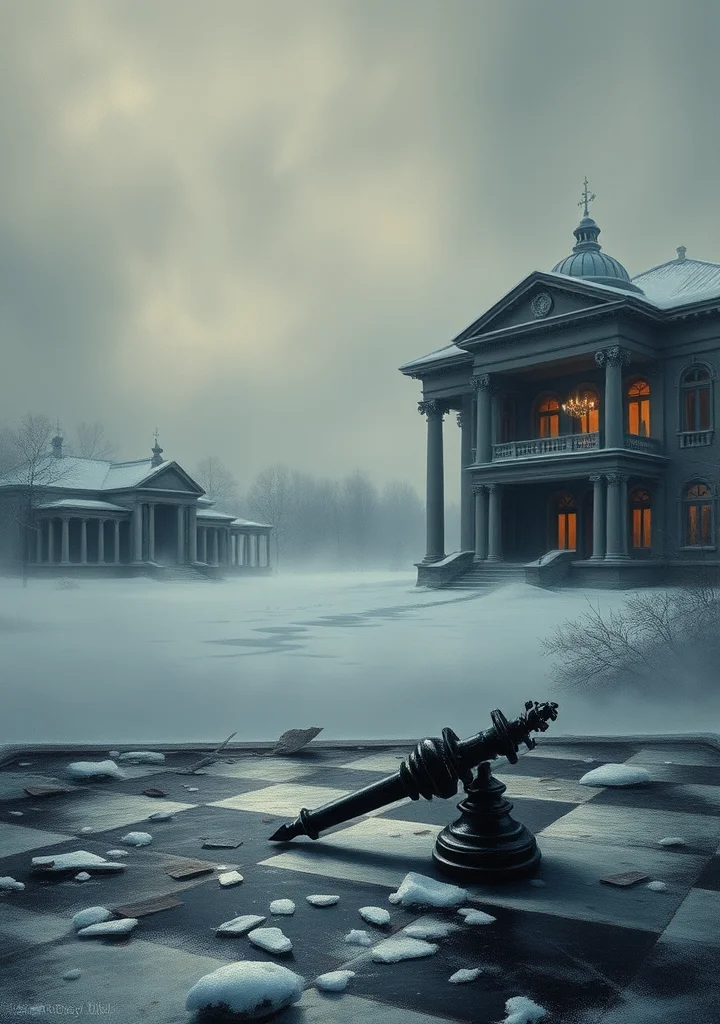
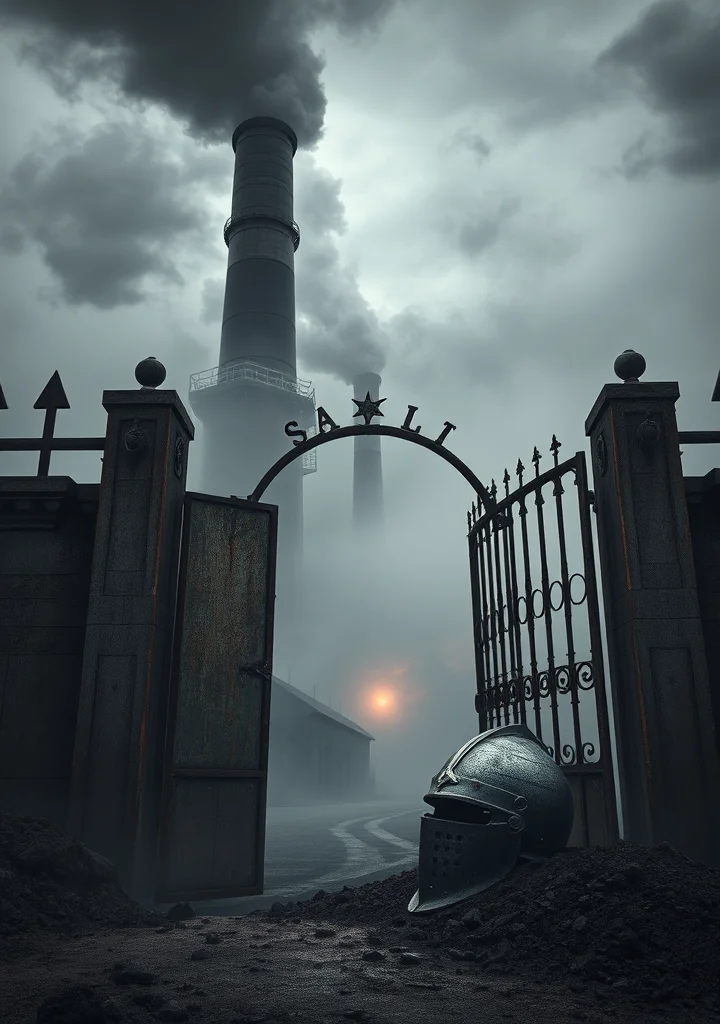
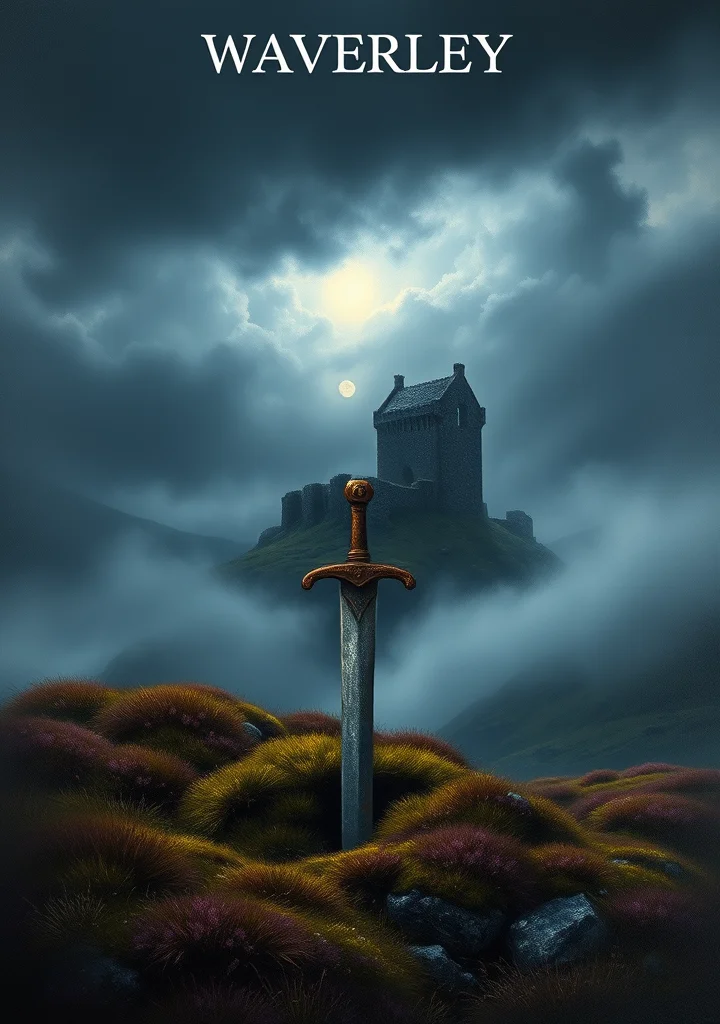
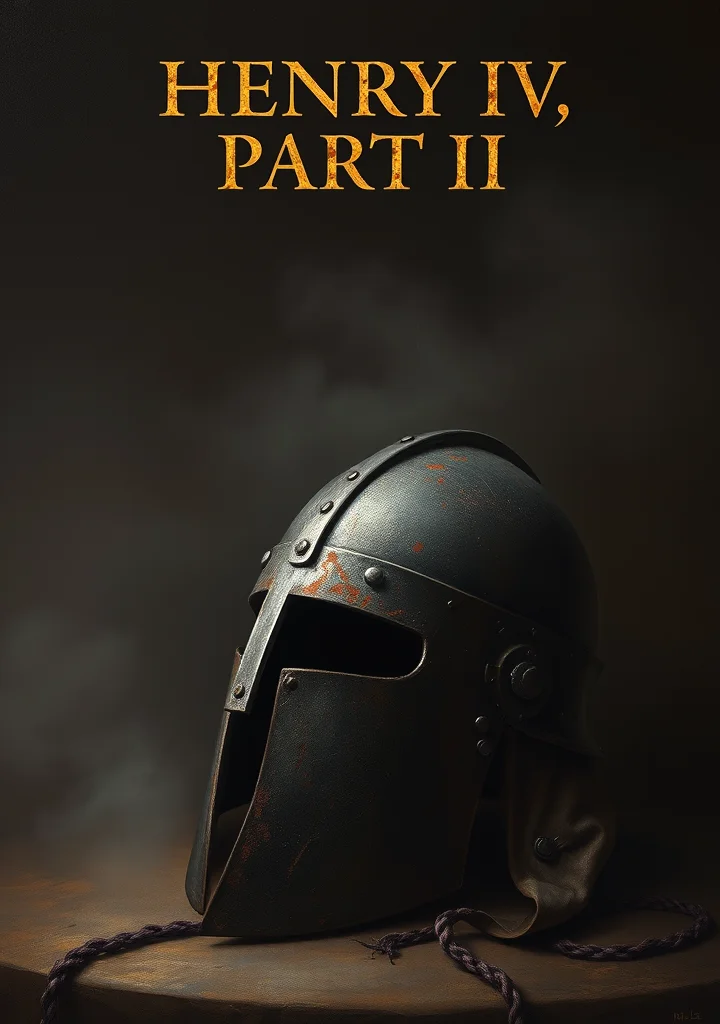
A creeping fog hangs over the realm, thicker than the plots spun in shadowed taverns. This is a world where rebellion festers not in grand armies, but in the hollow chests of discontented men, fueled by whispers of lost causes and the ghosts of battles past. The air smells of damp earth and stale ale, of simmering resentments and the metallic tang of impending violence. Castles loom like skeletal fingers against bruised skies, holding not power, but the echo of decay.
Here, shadows stretch long and hungry, mirroring the moral rot consuming the court. A king’s victory feels less a triumph than a reprieve, a gilded cage built on the bones of the fallen. The narrative unravels like a fraying tapestry, stitched with the anxieties of a nation teetering on the brink. Every encounter, every boastful claim of loyalty, is shadowed by the possibility of betrayal.
A sense of suffocating inevitability pervades; the weight of history presses down, promising not resolution, but a descent into further darkness. This is not a tale of heroes, but of men haunted by their own ambitions, trapped in a cycle of violence where honour is a brittle shield against the encroaching void. The very land itself seems to mourn, weeping a slow, insidious sorrow into the heart of the story.
Copyright: Public Domain
This license allows anyone to use your story for any purpose, including printing, selling, or adapting it into a film freely.
This license allows anyone to use your story for any purpose, including printing, selling, or adapting it into a film freely.
Chapter List
-
« HenryIV, PartII »📖 Continue Reading
-
« Dramatis Personae »
-
« HenryIV, PartII »
-
« Induction »
-
« ActI »
-
« SceneI »
-
« SceneII »
-
« SceneIII »
-
« ActII »
-
« SceneI »
-
« SceneII »
-
« SceneIII »
-
« SceneIV »
-
« ActIII »
-
« SceneI »
-
« SceneII »
-
« ActIV »
-
« SceneI »
-
« SceneII »
-
« SceneIII »
-
« SceneIV »
-
« SceneV »
-
« ActV »
-
« SceneI »
-
« SceneII »
-
« SceneIII »
-
« SceneIV »
-
« SceneV »
-
« Epilogue »
29
-
« HenryIV, PartII »
-
« Dramatis Personae »
-
« HenryIV, PartII »
-
« Induction »
-
« ActI »
-
« SceneI »
-
« SceneII »
-
« SceneIII »
-
« ActII »
-
« SceneI »
-
« SceneII »
-
« SceneIII »
-
« SceneIV »
-
« ActIII »
-
« SceneI »
-
« SceneII »
-
« ActIV »
-
« SceneI »
-
« SceneII »
-
« SceneIII »
-
« SceneIV »
-
« SceneV »
-
« ActV »
-
« SceneI »
-
« SceneII »
-
« SceneIII »
-
« SceneIV »
-
« SceneV »
-
« Epilogue »
More like this