
Blocked Driveway
  • 8
  • 0
  • 2
  • Read 8
  • 0
  • Part 2
Ongoing, First published May 29, 2026

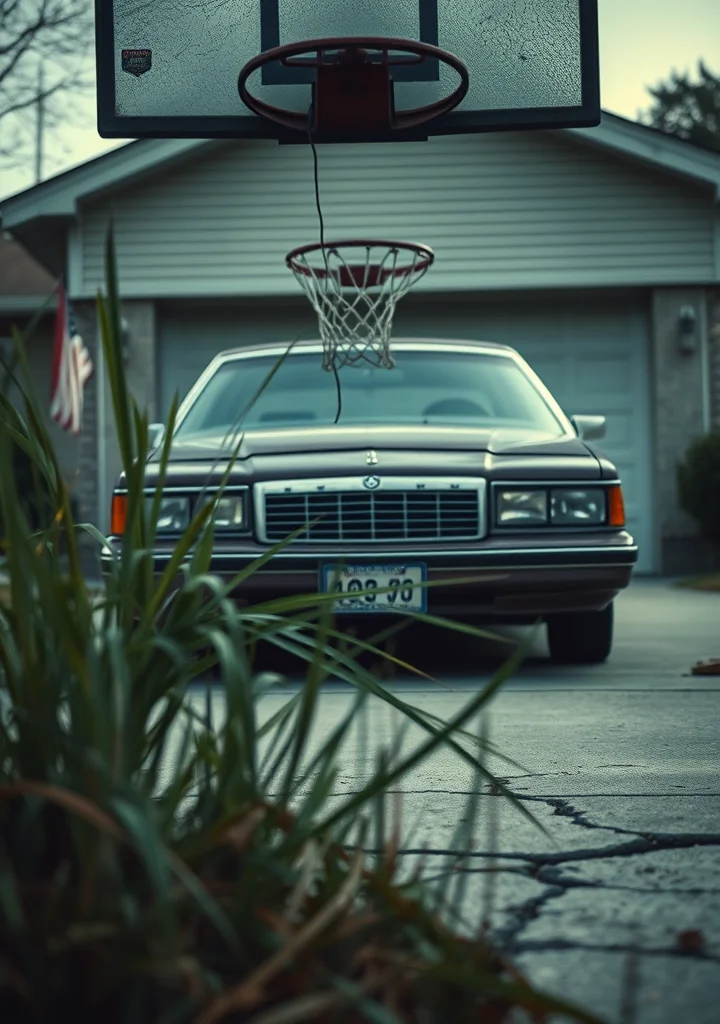
The story opens onto a tense homecoming for Madison and Julia, disrupted by the unexpected arrival of Jacob, a former classmate sent to live with them. These initial chapters trace the awkwardness of forced cohabitation as Jacob’s presence stirs up old tensions and unwanted attention. A grocery run escalates simmering family dynamics, revealing flirtatious exchanges and underlying sibling conflicts. As Madison navigates a household brimming with passive-aggressive interactions, the narrative hints at a complex web of relationships and unspoken frustrations—a situation where even simple tasks become charged with unease.
Copyright: All Rights Reserved
No person is allowed to use, redistribute, or modify your work in any form without your explicit permission.
More like this

54 Part
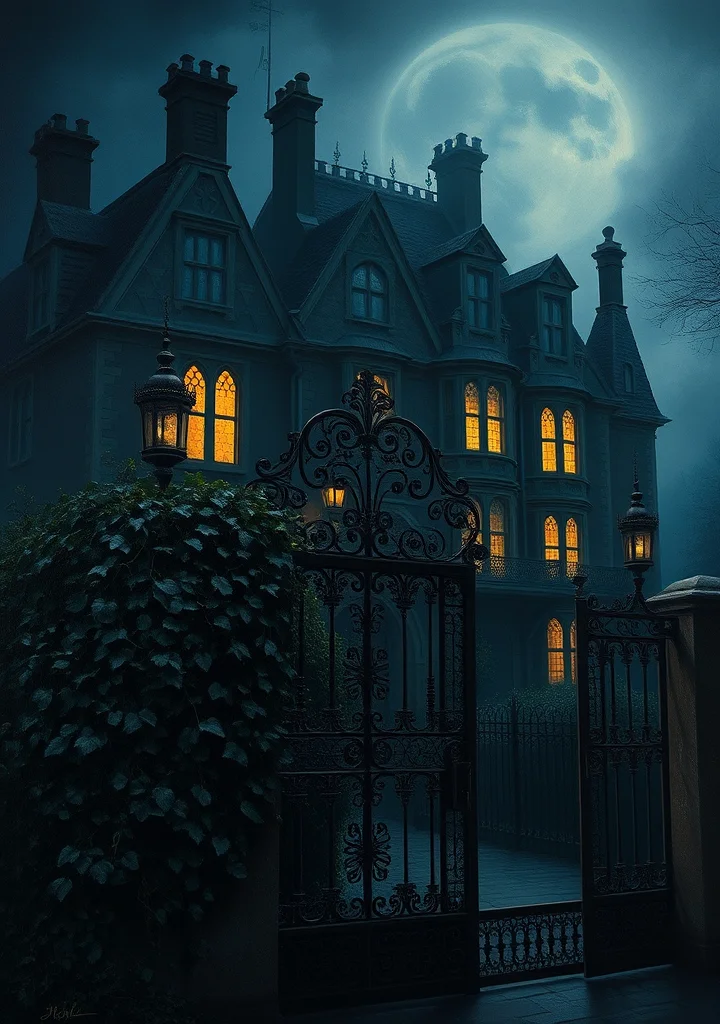
A creeping dread clings to the shadowed halls of Blackwood Manor, where the legacy of the Ashworths—a family steeped in melancholic piety and stifled ambition—unwinds like a silken noose. The narrative breathes with the damp chill of decaying grandeur, each room a mausoleum of forgotten vows and whispered sins. Old Mr. Ashworth’s failing health isn't merely illness, but a slow erosion of the boundaries between this world and something…else. His daughter, burdened by the weight of expectation and a suppressed, feverish devotion, finds her spirit fracturing alongside his. The story isn't one of outward horror, but a suffocating claustrophobia born of repressed desire and the suffocating weight of religious fervor. A subtle poison seeps through the narrative, laced with the scent of dying lilies and the rustle of unseen presences in the long corridors. The barriers between the Ashworths’ carefully constructed faith and the gnawing darkness within begin to blister and crack. The estate itself is a character—a labyrinth of shadowed alcoves and overgrown gardens where the rot of secrets blooms under a perpetual twilight. The very stones seem to weep with the grief of generations past. The air hangs thick with the anticipation of a reckoning, not of ghouls or specters, but of a soul laid bare, consumed by the flames of its own unfulfilled longings. It’s a story told in the fading light of a dying man’s consciousness, where the boundaries of reality blur with the feverish visions of a desperate heart.

45 Part
A creeping dampness clings to the shadowed corners of Valley of Blue Castles, where Valerian Barclay, a woman withered by years of stifling duty and whispered scorn, discovers a freedom born of bitter defiance. The narrative exhales a melancholic haze, thick with the scent of decaying roses and the murmur of regret. Old Man Barclay’s estate, a crumbling edifice of ancestral pride, looms like a skeletal hand against perpetually bruised skies. The castle itself is less stone and mortar than a cage of expectations, its blue hue mirroring Valerian's own bruised spirit. A slow unraveling of societal constraints bleeds into a strange, almost feverish awakening as Valerian dares to embrace the eccentricities of her world. The forest surrounding the castle breathes with a secret life, teeming with shadowed paths and whispers of forgotten lore. A haunting stillness pervades the narrative, broken only by the creak of ancient timbers and the rustle of unseen things in the shadowed depths of the woods. The air is thick with the weight of unspoken desires and the chilling possibility of a love that blooms only in the wreckage of shattered reputations. Even as Valerian's heart opens to a fragile hope, the specter of her past – and the castle’s own decaying grandeur – casts a long, unforgiving shadow. The novel is steeped in a sense of lonely grandeur, where the echoes of loss resonate through every darkened hall, and even the most vibrant bloom is tinged with the blue of sorrow.
26 Part
A creeping dread clings to the shadowed corners of a boy’s ascension. Within the stifling grandeur of a European court, young Otto, heir to a crumbling dynasty, finds his life a gilded cage. But this is no simple tale of royal constraint. A sickness—physical, political, and something far older—infests the palace, manifesting in whispered anxieties and the chillingly precise machinations of a physician obsessed with prolonging life beyond its natural end. The narrative unfolds as a fever dream, blurring the lines between boyhood innocence and the monstrous ambitions of a kingdom built on decay. Every corridor echoes with the weight of tradition, every smile masks a festering resentment. Otto’s world is one of inherited sorrow, where the very air tastes of resignation and the rituals of power are conducted with the hushed reverence afforded to a slow, inevitable rot. The atmosphere is suffocating, a velvet darkness punctuated by the flickering candlelight of conspiracy. We move with Otto through labyrinthine chambers, haunted by the ghosts of his ancestors and the phantom promises of a future he cannot grasp. It is a story not of grand battles or heroic deeds, but of insidious influence, of a boy’s spirit eroding within the ornate prison of his birthright, until the prince becomes less a person and more a symptom of the kingdom’s own morbid vitality. The scent of lilies and decay permeates every page, promising not salvation, but a descent into a beautifully wrought, suffocating despair.


20 Part
Dust motes dance in the long shadows of the schoolhouse, clinging to the chill stone walls where generations of boys have scraped their futures onto the rough-hewn desks. This is not a tale of grand horrors, but of a creeping dread found in the hollow spaces between loyalty and betrayal, the weight of tradition pressing down like a tombstone. Young Tom Brown enters this world, raw and untamed, and is slowly, inexorably, broken down and reshaped by the brutal currents of school life. It’s a darkness born not of malice, but of indifference—the casual cruelty of boys desperate to prove their dominance, the stifling conformity demanded by an unyielding system. The echoing hallways become a labyrinth of whispers and shoves, a constant negotiation of power where a single misstep can mean weeks of torment. Fog hangs heavy in the yards, obscuring the faces of those who haunt Tom's waking hours, their actions unseen yet felt in the tightening of chests and the tremor of hands. The narrative unfolds like a slow, agonizing bleed, the innocence of youth curdling into a grim acceptance of the inevitable—a descent into a shared, silent complicity born of necessity and fear. It is a world where the true monsters are not found in the shadows, but in the very hearts of the boys who forge their manhood within these unforgiving walls. The scent of damp wool and old wood clings to the pages, a testament to the enduring chill of those days.
10 Part
A creeping twilight descends upon young Emil Sinclair as he’s drawn into the magnetic orbit of Max Demian, a figure both beautiful and terrifyingly unbound. Hesse’s narrative isn’t merely a coming-of-age, but a descent into shadowed chambers of the self, where inherited morality fractures against the raw stone of instinct. The air thickens with the scent of incense and forbidden knowledge as Sinclair’s world fractures – the rigid structure of his upbringing, the suffocating piety of his mother, all crumble beneath Demian’s gaze. Every encounter is layered with a premonition of doom, a cold wind whistling through the hollows of Sinclair’s nascent soul. The novel breathes with the claustrophobia of a gilded cage, the oppressive weight of societal expectations pressing down like lead. Dreams twist into grotesque allegories, mirroring Sinclair’s inner turmoil with unsettling clarity. Ancient symbols, unearthed from the loam of forgotten myths, become obsessions, fueling a desperate quest for liberation. The narrative is haunted by the specter of a fractured duality, a constant blurring of light and shadow, innocence and corruption. Sinclair’s journey isn’t towards enlightenment, but towards a harrowing reckoning with the darkness within—a darkness that threatens to consume him entirely as he spirals towards the inevitable, brutal severing of ties with the world he once knew. The final revelation is less a triumph, more a chilling echo in the vast, empty cathedral of his own becoming.
10 Part
The Alpine air chills not just the skin, but the very bone, in Johanna Spyri’s *Cornelli*. This is not a tale of pastoral idyll, but of a fractured inheritance clinging to a precipice of stone and shadow. The story unfolds within a fortress of a farmhouse, carved into a mountainside that seems to bleed into the grey sky. A young woman, adrift from a fractured family, finds herself bound to this lonely place – a ward of its ancient, echoing rooms and the silence that clings to them like a shroud. The weight of generations presses down with every gust of wind, and the surrounding peaks seem to watch with cold, unforgiving eyes. The narrative doesn’t rush, but *seeps* into the reader’s consciousness, mirroring the slow erosion of the mountains themselves. It’s a landscape of muted colours, of perpetual twilight, where even the sun feels distant and spectral. The house itself breathes with a history of loss and isolation, each room a mausoleum of forgotten lives. A creeping sense of dread permeates the narrative, not from any overt horror, but from the suffocating weight of loneliness and the unyielding grip of the mountains. *Cornelli* is a novel of confinement, not merely physical, but within the echoing chambers of a haunted past, where the secrets of the land and the family’s history are buried as deep as the roots of the ancient pines. The atmosphere is one of pervasive melancholy, a slow, beautiful decay that clings to the reader long after the final page is turned.