
Seoul Shadows
  • 2
  • 0
  • 1
  • Read 2
  • 0
  • Part 1
Ongoing, First published Jun 04, 2026

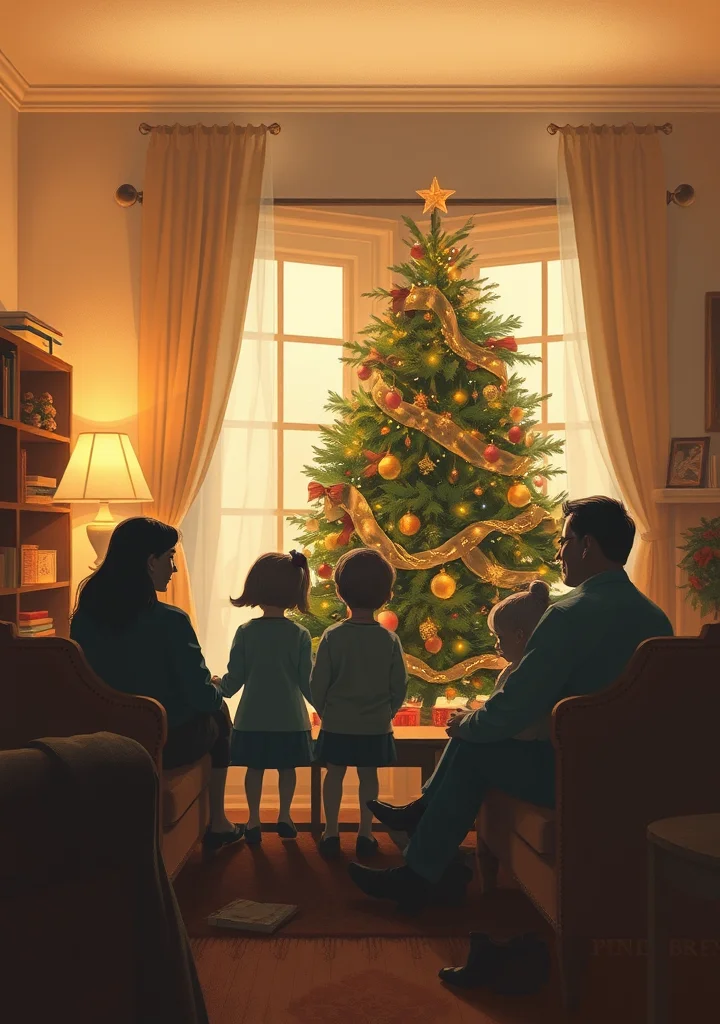
The narrative traces the interwoven lives of the affluent Jeon family and their extensive circle of friends and associates in Seoul. These chapters depict a family celebrating anniversaries and anticipating reunions, revealing affectionate dynamics and playful banter amongst its members. Hints of underlying tensions and challenges to the Jeon legacy emerge alongside scenes of warmth and tradition. As characters navigate medical recoveries and romantic anticipation, the story subtly suggests that love, ambition, and long-held secrets will shape the family’s future. These early chapters offer a glimpse into a world defined by wealth, connection, and unspoken desires.
Copyright: All Rights Reserved
No person is allowed to use, redistribute, or modify your work in any form without your explicit permission.
More like this

84 Part
Dust motes dance in the oppressive heat of a Hong Kong summer, mirroring the suffocating stillness of Katherine’s marriage. A gilded cage, woven with silk and silence, holds her fast to Walter, a man whose cold precision dissects affection as readily as a laboratory specimen. But the cholera epidemic is a fever dream of rot and revelation, a landscape of shadowed alleys and whispered fears where Katherine, driven to desperate charity, dons a veil—not of mourning, but of disguise. The air hangs thick with the scent of jasmine and decay as she infiltrates a remote, lawless village, trading her identity for a cure. The deeper she ventures into the heart of the plague, the more Walter’s rigid composure cracks, revealing a man haunted by his own sterile ambition. Each act of kindness, each shared moment under the suffocating weight of the epidemic, peels back layers of their carefully constructed lives. The world bleeds into a bruised palette of ochre and grey, the sun a malevolent eye watching as Katherine navigates a moral labyrinth. The veil becomes not just a shield against contagion, but a mask for a woman shedding her own brittle illusions. It’s a descent into a shadowed intimacy, where love and loathing twist together like the roots of a strangling vine, and the only certainty is the creeping, insidious dread of what—or whom—they’ve left behind. The weight of the silk is a constant reminder: salvation, or a slow, beautiful unraveling.


99 Part
A creeping fog of decline settles over Lübeck, mirroring the slow, inexorable decay of the Buddenbrook family. Within the opulent, shadowed confines of their merchant house, generations unravel, bound by tradition yet suffocated by its weight. A chill permeates the ornate rooms, not of winter, but of a creeping malaise—a spiritual exhaustion that clings to velvet curtains and polished mahogany. The scent of almonds and decay hangs heavy in the air, a subtle poison seeping into the veins of each heir. Each chapter unfolds like a funeral procession, hushed and dignified, yet laced with a subtle, suffocating dread. The city itself becomes a character—its canals reflecting the family's fading fortunes, its cobbled streets echoing with the ghosts of ambition and lost vitality. A profound loneliness permeates the narrative, a sense of being entombed alive within a legacy of prosperity. The narrative is not one of dramatic catastrophe, but of a quiet unraveling, a slow erosion of will masked by polite society’s rigid formality. The characters move through their lives as though in a dream, haunted by the specter of what once was—their faces pale and drawn, their voices laced with a melancholy that clings like the damp sea air. The weight of expectation, the burden of inheritance, become visible as a spectral presence in every room, a chilling reminder of the inevitability of dissolution. The novel breathes with the scent of dust, of old money, of secrets whispered in darkened hallways, and the slow, agonizing realization that even the most solid foundations can crumble into nothingness.
60 Part
Dust motes dance in the fading light of provincial chateaux, mirroring the slow decay of ambition and the brittle fragility of hope. These letters, unearthed from forgotten bureaux and damp attics, whisper of two women bound by circumstance and the suffocating weight of societal expectation. One, a bride purchased for lineage, haunted by the spectral echoes of a loveless marriage. The other, a bride of convenience, her youth traded for the preservation of a crumbling estate. The narrative unfolds not in grand pronouncements, but in the tremor of a penned word, the bleed of ink mirroring the slow erosion of their spirits. Each missive is a fragment of a fractured life, stained with the bitter residue of betrayal, the chill of isolation, and the gnawing desperation for a love that exists only in the shadowed corners of their dreams. A pervasive melancholy clings to the pages, thick as the fog that shrouds the ancestral homes. The air hangs heavy with the scent of dying roses and the unspoken resentments that fester beneath layers of silk and lace. The landscapes—bleak vineyards, crumbling manors, and the oppressive silence of shadowed forests—become extensions of the women's internal landscapes: barren, desolate, and haunted by the ghosts of promises broken. The letters themselves are not merely communication, but desperate pleas cast into a void, each echoing with the chilling realization that they are trapped within a labyrinth of obligation and despair, their fates inextricably intertwined with the decaying grandeur of a bygone era.
52 Part
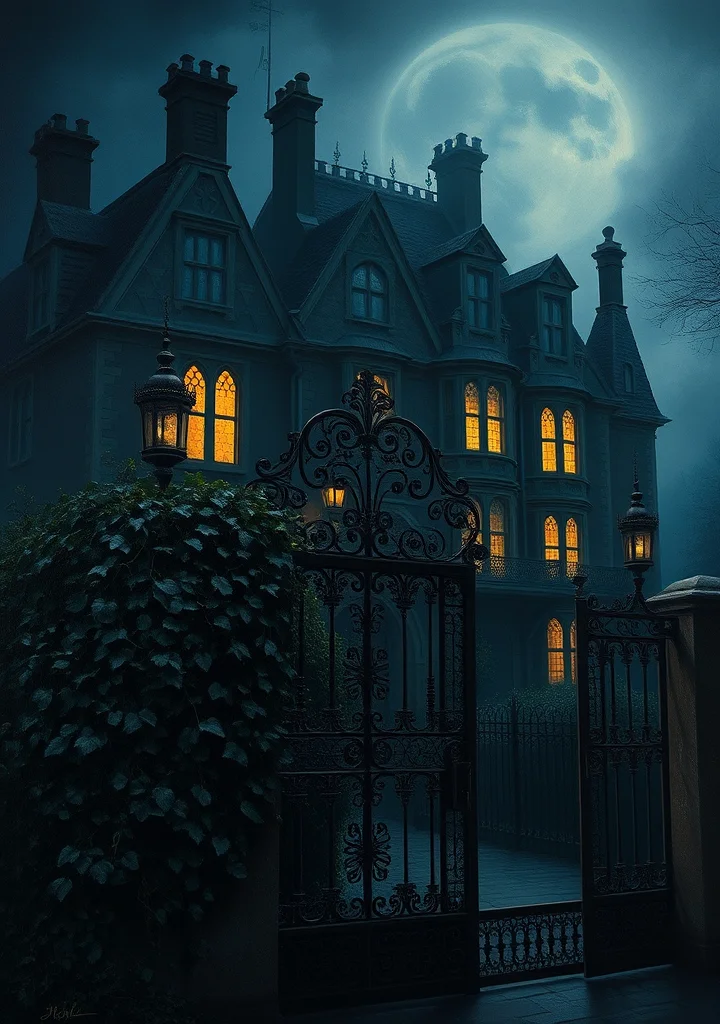
A creeping dread clings to Lindores Castle, a stone behemoth shadowed by ancient pines and whispered histories. Within its decaying grandeur, the Lindores sisters – refined, brittle, and bound by a shared, unspoken sorrow – drift through lives as brittle as dried leaves. Each woman, a delicate bloom fading within the suffocating confines of their ancestral home, bears the weight of a past tragedy that stains the very stones with melancholy. The narrative unravels not with grand spectacle, but with the slow, insidious rot of isolation, the suffocating politeness masking a simmering resentment, and the chilling echo of secrets clinging to the castle’s shadowed corners. A sense of mournful expectancy pervades every chamber, as if the Lindores sisters are not merely living, but *waiting* – for revelation, for release, or for the inevitable descent into the same quiet oblivion that claimed their mother. The atmosphere is one of perpetual twilight, where the boundaries between reality and haunting blur, and the scent of decay mingles with the perfume of forgotten grief. Every glance exchanged, every stifled sigh, feels laden with the weight of a lineage cursed to wither within the castle walls, mirroring the slow, inexorable decline of Lindores itself. It is a story steeped in the claustrophobia of inherited sorrow, where the true horror resides not in what is seen, but in what is felt – the icy touch of loneliness and the suffocating silence of a family slowly dissolving into shadow.