
Little Lord Fauntleroy
  • 116
  • 0
  • 16
  • Reads 116
  • 0
  • Part 16
Completed, First published Mar 02, 2026

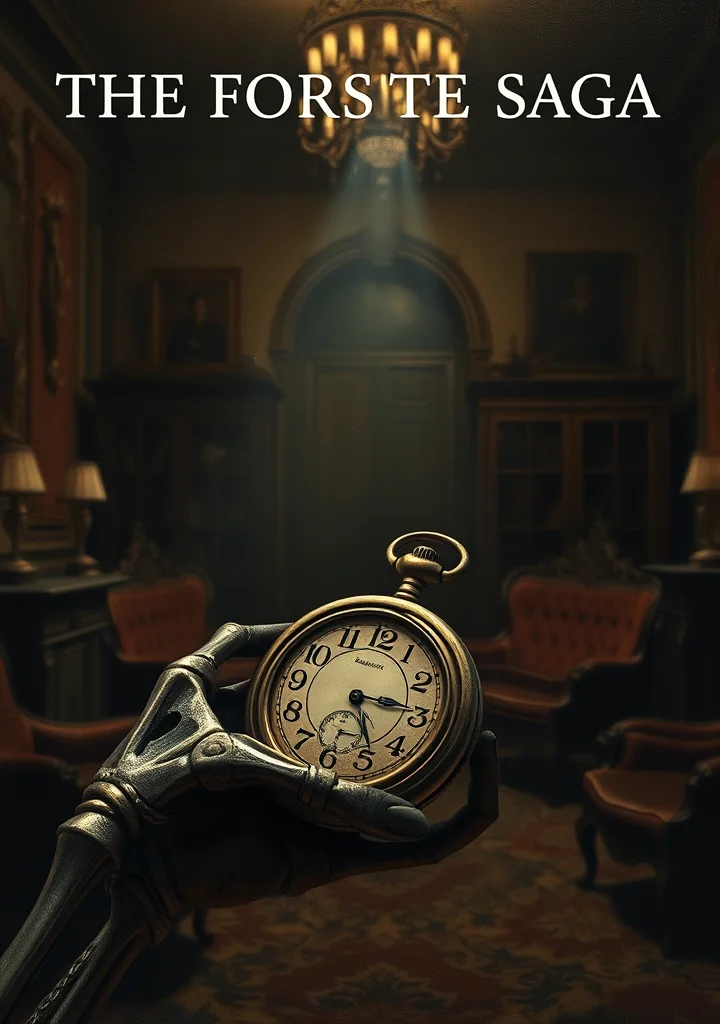
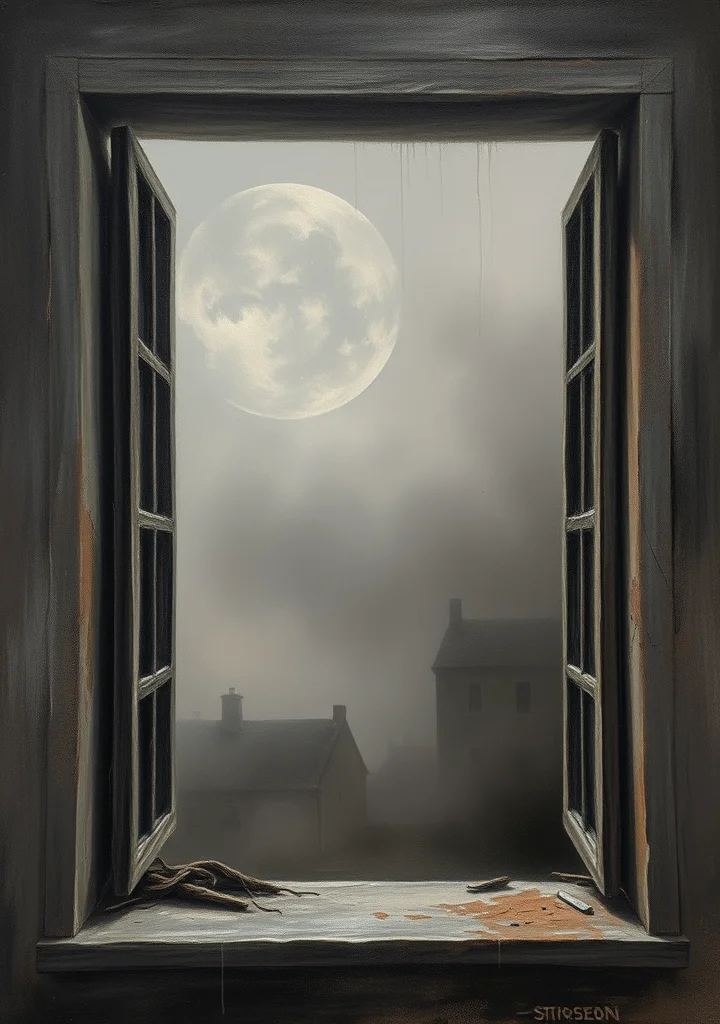
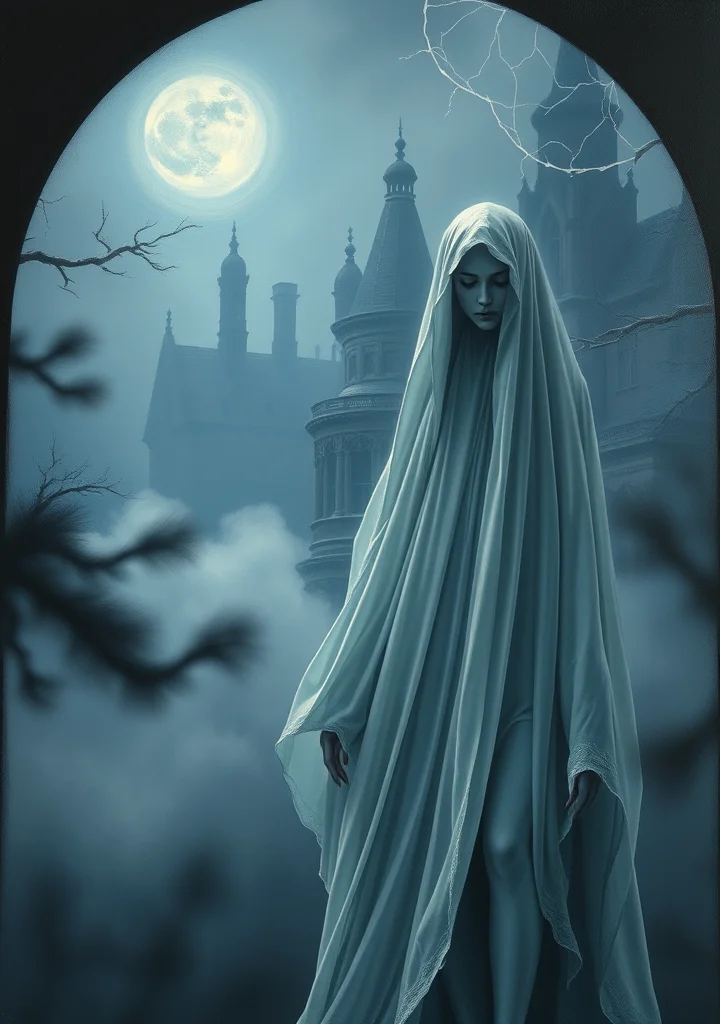
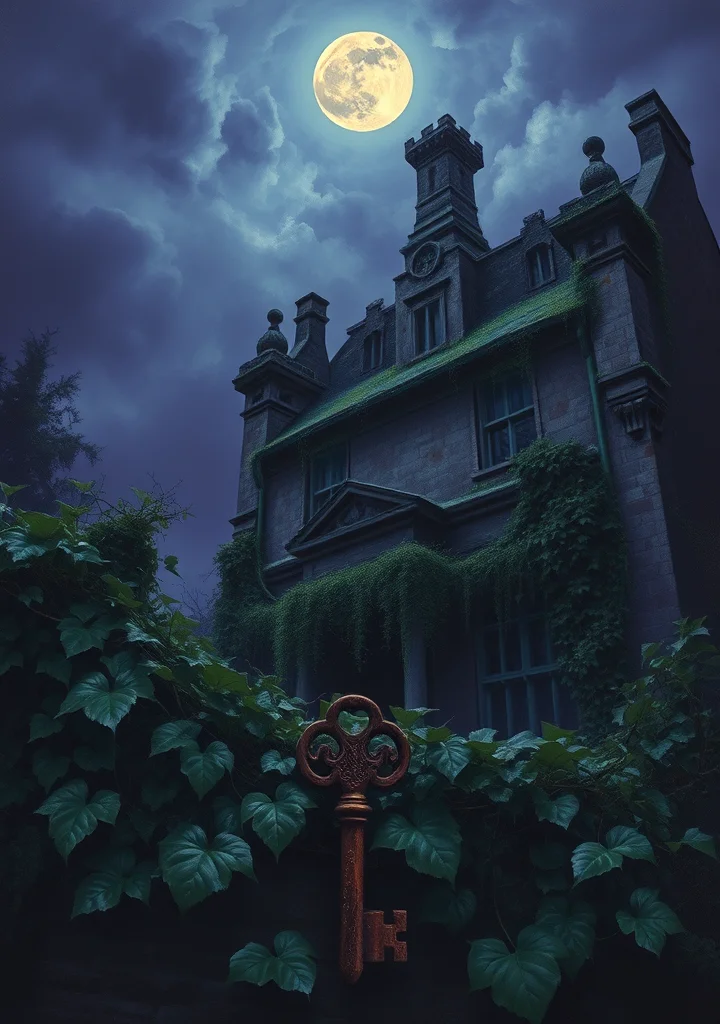
Dust motes dance in perpetual twilight within the shadowed halls of Fauntleroy Castle. A boy, orphaned and American-born, is thrust into a world steeped in ancestral sorrow and the brittle grandeur of decaying lineage. The air hangs heavy with the scent of damp stone and forgotten portraits, each gaze a silent accusation. His presence stirs not joy, but a brittle hope within the heart of a grim Earl, a man haunted by loss and bound by the weight of inherited despair. The narrative unfurls like a slow unraveling of grief, a tapestry woven with whispers of inherited maladies and the chilling loneliness of inherited wealth. Sunlight seems to fear the castle’s depths, leaving corridors lit only by flickering candlelight and the melancholic reflections in polished armor. Every gesture of kindness feels shadowed by the ever-present specter of a past tragedy. The boy’s innocence is a fragile bloom in a garden choked with thorns, his laughter a discordant chime against the mournful echo of generations lost. A creeping sense of unease clings to the narrative – not of overt horror, but of a pervasive melancholy that seeps into the very stones. The castle itself breathes with a history of sorrow, a cold, watchful entity judging every hope and aspiration with the icy gaze of centuries. It is a story where the smallest acts of grace feel shadowed by the looming darkness of what has been lost, and what may yet be taken away.
Copyright: Public Domain
This license allows anyone to use your story for any purpose, including printing, selling, or adapting it into a film freely.
Recommended for you
19 Part
A creeping dread clings to Blackwood Manor, a labyrinth of shadowed corridors and forgotten wings where the scent of decay rivals the perfume of jasmine. Within its stone embrace, Lord Ashworth’s heir is found strangled amongst the clipped hedges of the maze, a silver locket clutched in his frozen hand. But the labyrinth isn’t merely a garden folly; it’s a living, breathing entity mirroring the twisted loyalties and long-buried sins of the Ashworth family. Rain lashes against the leaded windows as Inspector Davies unravels a web of whispered accusations, secret engagements, and a legacy of madness. Each turn in the maze seems to echo with the phantom footsteps of the deceased, the rustling of silk skirts hinting at a spectral presence guiding Davies toward a truth steeped in betrayal. The house itself seems to conspire to conceal its secrets, its portraits watching with hollow eyes as shadows dance with the flickering candlelight. A suffocating claustrophobia descends with each discovered clue. The maze isn’t just a place to get lost in; it’s a tomb where the past refuses to stay buried. The killer walks among the living, shrouded in the same deceptive elegance as the manor’s decaying grandeur. The air thickens with the taste of arsenic and regret, promising a final, harrowing confrontation within the maze’s heart, where stone bleeds into darkness and the line between hunter and hunted dissolves into the echoing silence.
24 Part
London breathes under a fog thick with coal dust and righteous fury. A singular, colossal figure – Michael Fane, the self-proclaimed Napoleon – stalks the streets of Notting Hill, not for conquest, but for a peculiar, escalating series of acts of civic “improvement.” He doesn’t steal, not precisely. He *rearranges*. He dismantles a building here, subtly alters a square there, all in the name of a deranged, geometric vision of order. The air hangs heavy with the dread of unspoken intentions. The narrative unravels through the eyes of a bewildered, increasingly horrified populace, and the desperate, flailing attempts of the police to understand a man who claims to be enacting a divine geometry. Each rearrangement isn’t merely vandalism, but a surgical excision of the city's soul, a chipping away at its haphazard, human beauty. A creeping claustrophobia settles in as Fane’s “improvements” become more audacious, more…necessary. The gas lamps cast elongated shadows that seem to mimic his reshaping of the streets. The scent of damp brick and decaying plaster clings to the air, mirroring the decay of reason within Fane’s mind. It’s not a story of violence, but of insidious, creeping control. The dread doesn't lie in what is *done*, but in the chilling logic behind it – a perverse, obsessive love for a perfect, sterile London that will be born from the rubble of the old. A city remade in the image of one man’s madness.
75 Part
Dust motes dance in perpetual twilight within the rambling, suffocating confines of the Old Curiosity Shop, a place where time itself seems to fray at the edges. The air hangs thick with the scent of decay and forgotten dreams, clinging to the warped timbers and shadowed corners. A suffocating weight of secrets presses down, mirroring the burden carried by little Nell, a fragile bloom wilting under the gaze of avarice. The shop’s labyrinthine depths swallow light, revealing glimpses of grotesque relics—grimacing masks, tarnished silver, and the hollow eyes of forgotten dolls—each a silent witness to generations of loss. A creeping dread seeps from the very stones, fueled by the malevolent presence of Quilp, a creature born of spite and fueled by cruelty. The narrative unfolds not as a journey, but as a descent, spiraling deeper into a labyrinth of shadowed alleys and decaying grandeur. London itself breathes with a feverish pulse, a city of echoing footfalls and whispered conspiracies. Every encounter is veiled in ambiguity, every kindness shadowed by the looming threat of betrayal. The oppressive atmosphere is less a setting, and more a character—a suffocating entity that threatens to consume Nell and all she holds dear within its suffocating embrace. The antique objects are not merely curiosities, but fragments of fractured souls, each holding a piece of the shop’s decaying history. It is a world where innocence is a fragile currency, and darkness preys on the edges of hope.