
There Is Confusion
  • 185
  • 0
  • 40
  • Reads 185
  • 0
  • Part 40
Completed, First published Mar 02, 2026

A bruised twilight descends upon the lives sketched within these pages, a world where inherited grief clings to brick and mortar like creeping ivy. The narrative unravels not with grand tragedy, but with a quiet fracturing—a slow bleed of ambition and desire against the rigid constraints of a life predetermined by shade and circumstance. There is a chill that settles not from winter’s breath, but from the unsaid, the rooms where hope withers behind lace curtains, and the weight of expectations pressing down like a shroud. Each character walks a shadowed hallway, haunted by the phantom touch of what *could* have been. The air tastes of regret and the perfume of fading lilies. Conversations become brittle things, echoing in empty parlors where the past refuses to stay buried. A subtle dread permeates the very foundations of these lives, a sense that even in stillness, something is irrevocably breaking apart, splintering into fragments of polite smiles and carefully constructed lies. The story isn’t about explosive rebellion, but the insidious rot that blossoms in the heart of those who are expected to endure, to simply *be*, until they disappear into the dust of forgotten histories. It is a landscape of bruised dignity, and a melancholic beauty found within the spaces between breaths.
Copyright: Public Domain
This license allows anyone to use your story for any purpose, including printing, selling, or adapting it into a film freely.
Recommended for you
52 Part
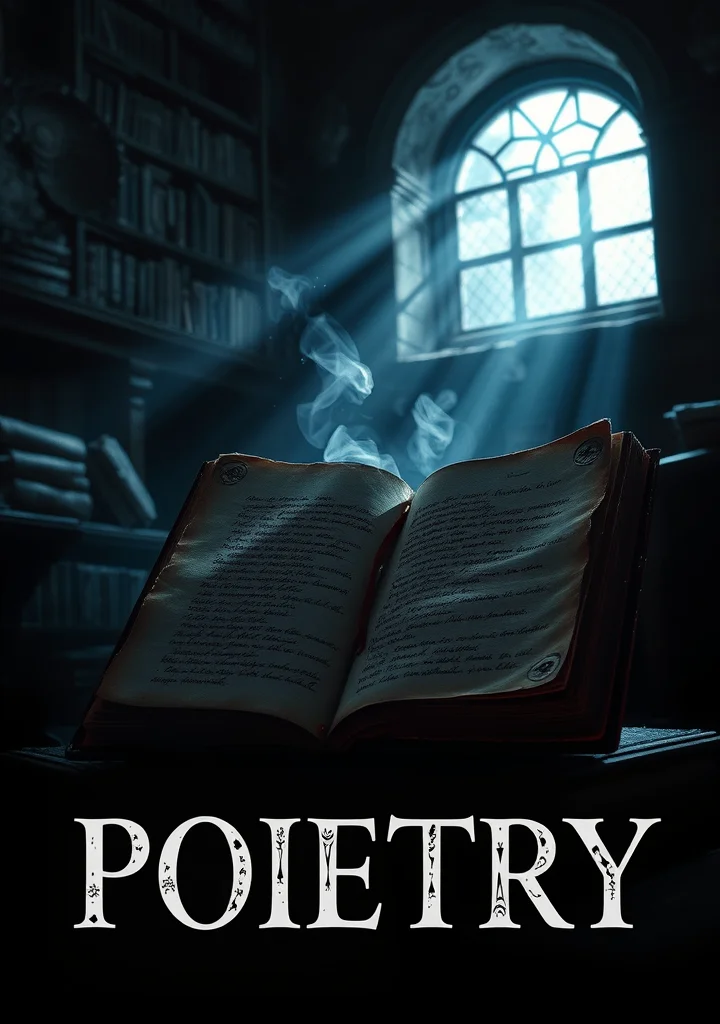
A creeping dread clings to the shadowed orchards and crumbling khutors of Shevchenko’s *Poetry*. It isn’t a tale of grand horrors, but of a slow rot consuming the soul, witnessed through eyes haunted by the vast, indifferent steppes. The narrative unfolds like a fever dream—fragmented, lyrical, and steeped in the melancholic scent of damp earth and decaying sunflowers. Each verse bleeds into the next, mirroring the blurring of memory and reality within the minds of those exiled, those bound to the land by chains of sorrow and longing. The air hangs thick with the weight of unfulfilled desires and the ghosts of Cossack glories, rendered brittle by years of oppression. Walls whisper with the lamentations of women left behind, and the wind carries the cries of children lost to famine. A sense of impending doom isn’t delivered through spectacle, but through the relentless accumulation of small, brutal details—a chipped icon in a deserted chapel, a raven’s feather found clutched in a dead hand, the taste of iron in the well water. The prose itself is a landscape of fractured beauty—sun-drenched fields concealing graves, a sky bruised purple with regret. It’s a narrative not of what *happens*, but of what *remains*—the lingering echo of a broken heart, the dust of forgotten villages, the chilling realization that even in oblivion, the land remembers everything, and judges all. A suffocating stillness permeates the work, broken only by the distant howl of wolves and the rustling of secrets in the wheat fields. The story doesn’t end; it simply dissolves into the horizon, leaving you adrift in a sea of unending grey.
19 Part
A suffocating Madrid summer hangs heavy with dust and discontent. The novel breathes with the stifled ambitions of its characters, clinging to the shadowed alcoves of a city poised between old grandeur and creeping modernity. Galdós doesn’t offer spectacle, but a slow, insidious unraveling—a rot beneath the polished veneer of bourgeois life. The narrative coils around the fractured idealism of Don Ramón, a man adrift in the aftermath of political turmoil, haunted by the ghosts of republican fervor and the weight of unfulfilled potential. Every encounter is a stifled confession, every room a stage for quiet desperation. Sunlight bleeds through shuttered windows, illuminating not warmth, but the lingering residue of regret. The scent of decaying flowers, of stale ambition, permeates the air. It’s a novel of interiors—claustrophobic apartments, dimly lit cafes—where characters are trapped not by bars, but by the invisible architecture of social expectation. A creeping sense of dread settles over the reader as the narrative descends into the labyrinthine streets of Madrid, mirroring Don Ramón’s descent into self-doubt and disillusionment. The city itself is a character, its labyrinthine alleys echoing with the murmur of lost causes and the silent weight of unspoken desires. It’s a portrait of a man unraveling, mirroring a city slowly suffocating under its own ambitions. The atmosphere is one of oppressive heat, stifled voices, and the pervasive scent of decay—a Madrid steeped in melancholy, where even the brightest days are shadowed by the specter of failure.
10 Part
The air hangs thick with dust and the scent of decay, clinging to the crumbling adobe walls of the hacienda like a shroud. Beyond Thirty isn’t merely a place, but a threshold—a descent into a sun-bleached nightmare where the desert breathes secrets into the bones of the dead. Old Man Cregar, a spectral figure draped in shadows and regret, guards this desolate stretch of land with a fanatic’s zeal. He’s a shepherd of ghosts, they say, and his eyes hold the vacant stare of a man who’s stared too long into the abyss. The narrative unravels with the slow, agonizing crawl of a scorpion across sun-baked earth. Each chapter is a layer peeled back from a rot-ridden core, revealing a history of violence and avarice buried beneath the shifting sands. The land itself seems to conspire against sanity, warping the sun-scorched minds of men into instruments of cruelty. Whispers follow you in the canyons, shadows dance with the skeletons of forgotten dreams, and the very stones seem to weep with the memory of unspeakable acts. There’s a pervasive sense of being watched, of something ancient and predatory circling just beyond the periphery of vision. The sun bleeds across the horizon like a fresh wound, staining the landscape with a feverish crimson hue. It’s a place where madness blooms like a desert flower, beautiful and deadly, and where the boundaries between the living and the damned blur into a single, suffocating breath. The story isn’t about *reaching* Beyond Thirty; it’s about what Beyond Thirty does to you. It unravels, it consumes, it leaves only bleached bones and a hollow echo in the vast, unforgiving emptiness.