
Henry IV, Part II
  • 534
  • 0
  • 29
  • Read 534
  • 0
  • Part 29
Completed, First published Mar 02, 2026

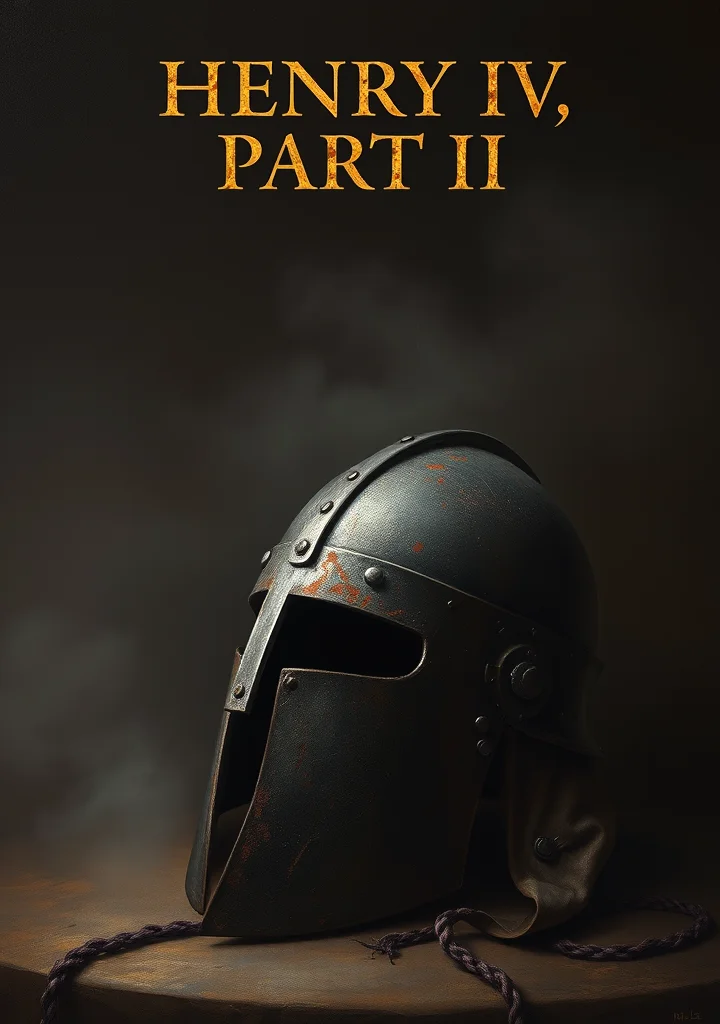
A creeping fog hangs over the realm, thicker than the plots spun in shadowed taverns. This is a world where rebellion festers not in grand armies, but in the hollow chests of discontented men, fueled by whispers of lost causes and the ghosts of battles past. The air smells of damp earth and stale ale, of simmering resentments and the metallic tang of impending violence. Castles loom like skeletal fingers against bruised skies, holding not power, but the echo of decay. Here, shadows stretch long and hungry, mirroring the moral rot consuming the court. A king’s victory feels less a triumph than a reprieve, a gilded cage built on the bones of the fallen. The narrative unravels like a fraying tapestry, stitched with the anxieties of a nation teetering on the brink. Every encounter, every boastful claim of loyalty, is shadowed by the possibility of betrayal. A sense of suffocating inevitability pervades; the weight of history presses down, promising not resolution, but a descent into further darkness. This is not a tale of heroes, but of men haunted by their own ambitions, trapped in a cycle of violence where honour is a brittle shield against the encroaching void. The very land itself seems to mourn, weeping a slow, insidious sorrow into the heart of the story.
Copyright: Public Domain
This license allows anyone to use your story for any purpose, including printing, selling, or adapting it into a film freely.
Recommended for you
13 Part
Dust motes dance in the violet light filtering through the orbital glass of Aptor, a city built on the bones of forgotten gods and fueled by the psychic residue of fractured realities. Here, amongst the chrome-slicked spires and the echoing, hollowed-out plazas, the jewels are not gems of wealth, but fragments of memory—stolen glimpses of past lives woven into the very fabric of the city’s decaying architecture. Each stone pulses with a stolen emotion, a lost identity, and the pursuit of these fragments consumes the fractured elite who haunt the higher levels. The air itself is thick with regret, a constant, low thrum of sorrow that clings to the skin like a second shadow. Every reflection is a betrayal, every conversation a veiled transaction in fractured histories. Beneath the polished surfaces, a labyrinth of abandoned levels stretches into a suffocating darkness—a place where the city’s discarded memories fester and the ghosts of Aptor’s architects whisper their broken designs into the static-filled air. A slow rot permeates everything, not of decay, but of *remembering*. The jewels aren't just found, they're *unlocked* from those who've lost themselves in the city's endless halls. To possess one is to inherit a fragment of another’s life, a burden of stolen consciousness that threatens to unravel the self. The closer one gets to the heart of Aptor, to the source of the jewels' power, the more the boundaries between memory and reality blur, and the more one risks becoming nothing more than another echo in the city’s haunting symphony of loss. The city doesn't just watch its inhabitants fall apart—it *remembers* their disintegration.
22 Part
A suffocating heat clings to the Louisiana bayou, thick with Spanish moss and the ghosts of fortunes lost. Leblanc weaves a tale where the line between predator and prey dissolves into the humid air. Old money, stained crimson with secrets, bleeds from crumbling plantation houses. The scent of jasmine and decay hangs heavy as a disgraced detective, haunted by his own failures, is drawn into a missing heir case. But this isn’t simply disappearance; it’s a vanishing into something ancient and hungry that dwells in the cypress knees and shadowed waterways. Each investigation feels like peeling back layers of Spanish lace to reveal something writhing beneath – a legacy of voodoo, avarice, and the brutal inheritance of a family whose wealth was built on teeth. The tiger isn't merely a beast of the swamp, but a symbol of the hunger that consumes the living, leaving only bone-white grins in the darkness. The narrative crawls with a creeping dread, a sense of being watched by something both feral and refined. Every whisper of wind through the sugarcane fields carries the echo of a curse, and the bayou itself seems to conspire to keep its secrets submerged. The air grows viscous with the possibility of violence, a slow-boiling tension that culminates in a confrontation with a darkness that has rooted itself within the very soil of the land. It's a story where the rot is not just in the cypress trees, but in the bloodlines themselves.