
The Dark Forest
  • 77
  • 0
  • 19
  • Reads 77
  • 0
  • Part 19
Completed, First published Mar 02, 2026

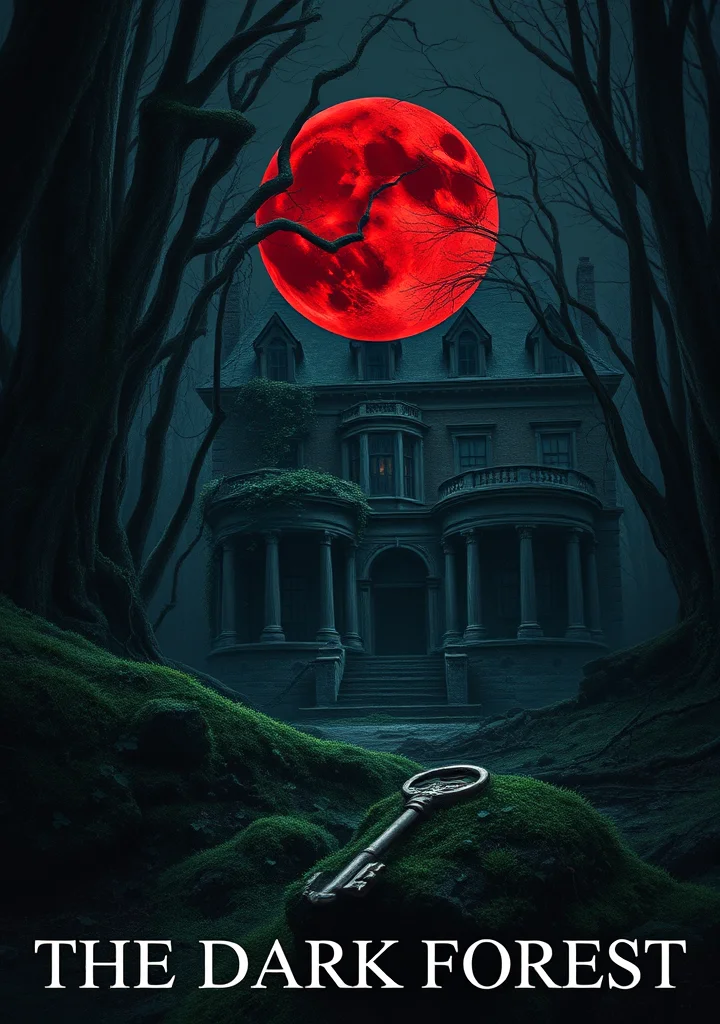
A creeping dread clings to the shadowed aisles of Blackwood Forest, where the remnants of a forgotten aristocracy fester amidst decaying grandeur. Walpole weaves a suffocating atmosphere of isolation, not merely of place, but of the soul. The narrative exhales with the damp rot of ancestral homes, the chill seeping from stone walls mirroring the encroaching madness of its inhabitants. Each whispered secret, each decaying portrait, pulls at the unraveling threads of the Ashworth family. It is a landscape of muted grief, where the very trees seem to mourn alongside the living, and where the past isn't buried, but breathes—a suffocating presence in every darkened room. The forest itself isn’t merely a setting, but a character—a predatory entity that absorbs ambition, consumes hope, and returns only the hollow echo of despair. A sense of inherited trauma permeates the pages, a claustrophobic spiral of obsession and the slow, insidious corruption of the human spirit, all under the watchful gaze of ancient oaks and the eternally twilight sky. The darkness isn't sudden, but seeps into the marrow, a slow poisoning of the heart.
Copyright: Public Domain
This license allows anyone to use your story for any purpose, including printing, selling, or adapting it into a film freely.
Recommended for you

32 Part
A creeping mist clings to the shadowed valley of Blithedale, a haven built on the fractured dreams of reformers and the hollow promises of a new Eden. Within its decaying grandeur, a subtle rot permeates not just the timber and stone, but the very souls of those who seek refuge there. The air hangs thick with unspoken desires, simmering resentments, and the stifled cries of past failures. A young surveyor, drawn into the web of this communal experiment, finds himself caught between the magnetic fervor of a visionary founder and the haunting beauty of a woman haunted by a grief that seems to bleed into the landscape itself. Every shadowed corner breathes with the weight of unfulfilled longing, while the sun-drenched fields conceal a darkness born of obsession. The narrative unravels not as a tale of progress, but as a slow exposure of the decay beneath the surface—a crumbling edifice of idealism haunted by the specters of unacknowledged desires. The scent of dying flowers, the rustle of unseen presences in the overgrown gardens, and the chilling silence of moonlit nights weave a tapestry of melancholy, revealing a world where the pursuit of perfection breeds only despair, and the heart, once aflame with conviction, is left to wither in the cold embrace of disillusionment. It is a place where the boundaries between reality and illusion blur, where the past refuses to remain buried, and where the seeds of ruin are sown within the very soil of hope.
8 Part
A suffocating dread clings to the cobbled streets of Saint Petersburg, mirrored in the hollowed eyes of Nikolai Semyonov, a man publicly branded a fool and stripped of his name. Andreyev doesn’t offer melodrama, but a slow, creeping asphyxiation of the spirit. Each calculated insult, each jeering dismissal isn’t simply humiliation, but a surgical carving of Semyonov’s identity. The narrative coils like a winter fog, obscuring the boundaries between sanity and delusion as Semyonov descends into a self-imposed exile, drawn to the dark magnetism of a circus performer, Diana. The circus itself is a charnel house of fractured souls, a stage for the macabre dance of obsession. Here, the air is thick with the scent of decay and the metallic tang of desperation. Diana, a goddess of broken glass and whispered promises, offers Semyonov not solace, but a reflection of his own fractured existence. His pursuit of her is a descent into a labyrinth of warped mirrors, where love and madness bleed into one another. The prose is less concerned with plot than with the erosion of the self. The city is a predator, the snow a shroud, and Semyonov, already marked for oblivion, willingly walks into the waiting shadows. It’s a story not of revenge, but of the beautiful, terrible grace of annihilation, a haunting testament to the power of societal cruelty to hollow a man until he is nothing but an echoing shell, eager to be shattered. The final act doesn't explode in violence, but implodes with a quiet, agonizing surrender.