
-
Read 640
-
0
-
Part 42
Completed, First published Mar 02, 2026
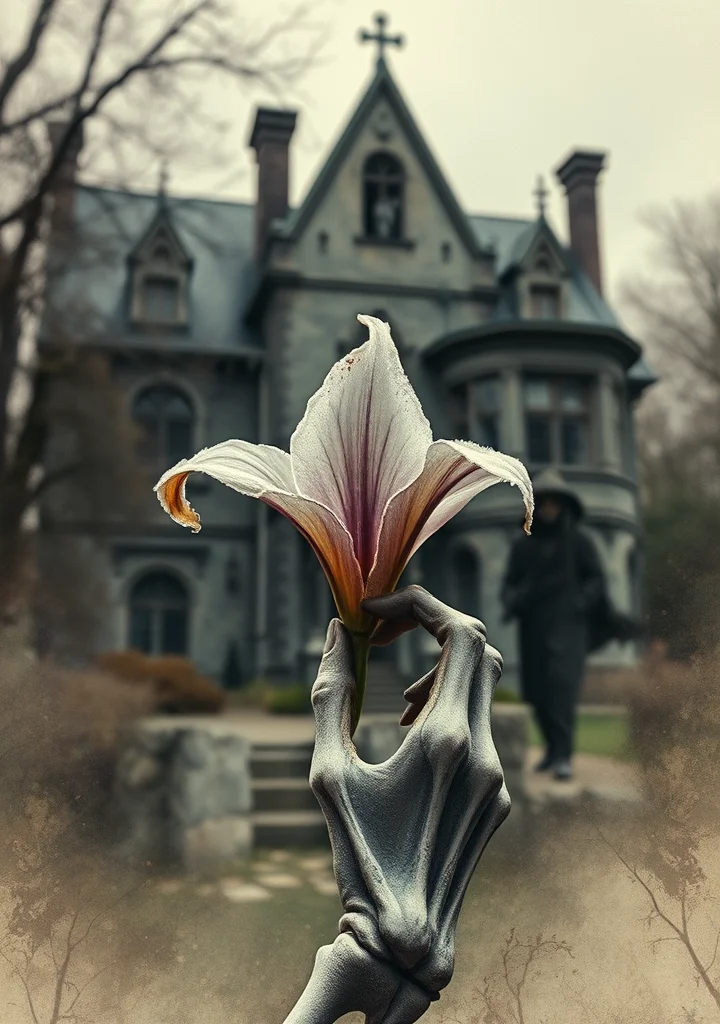
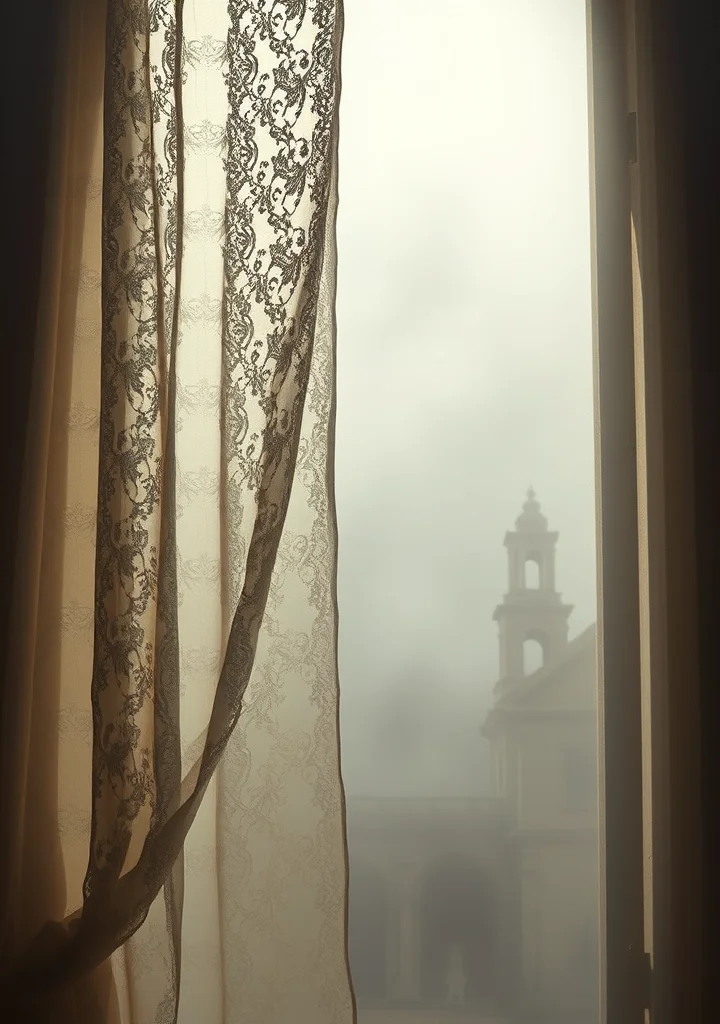
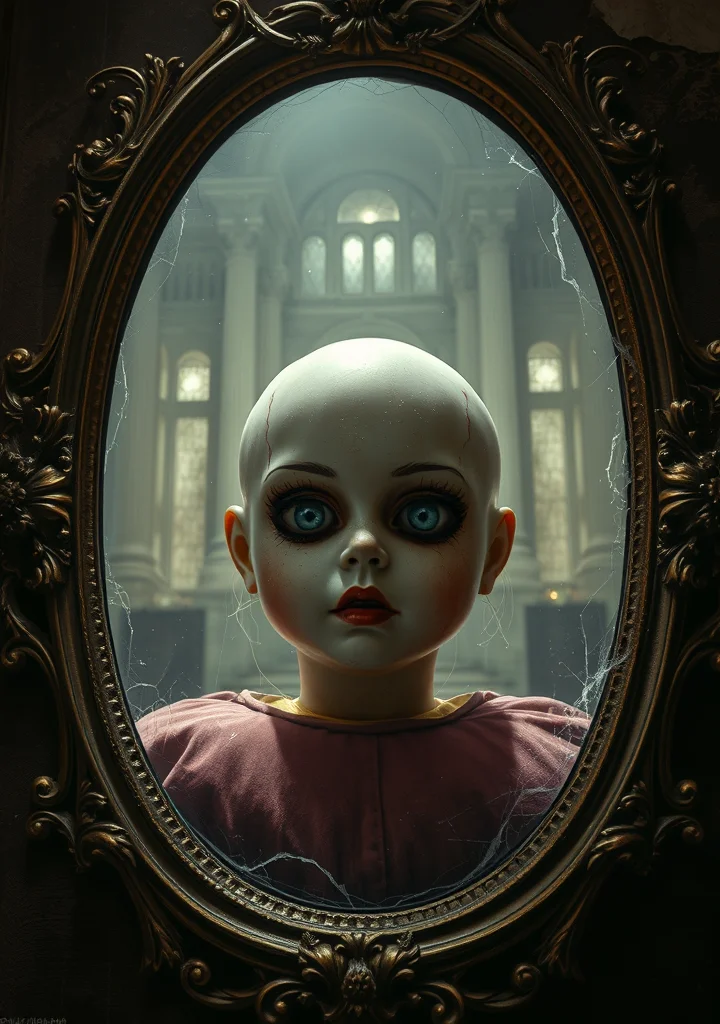
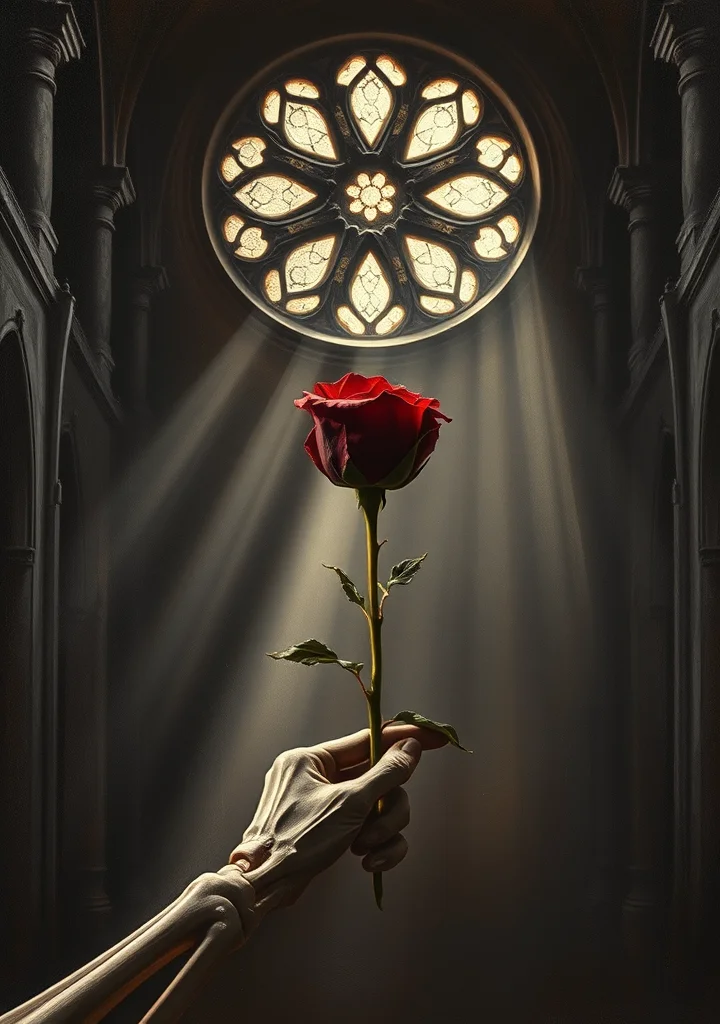
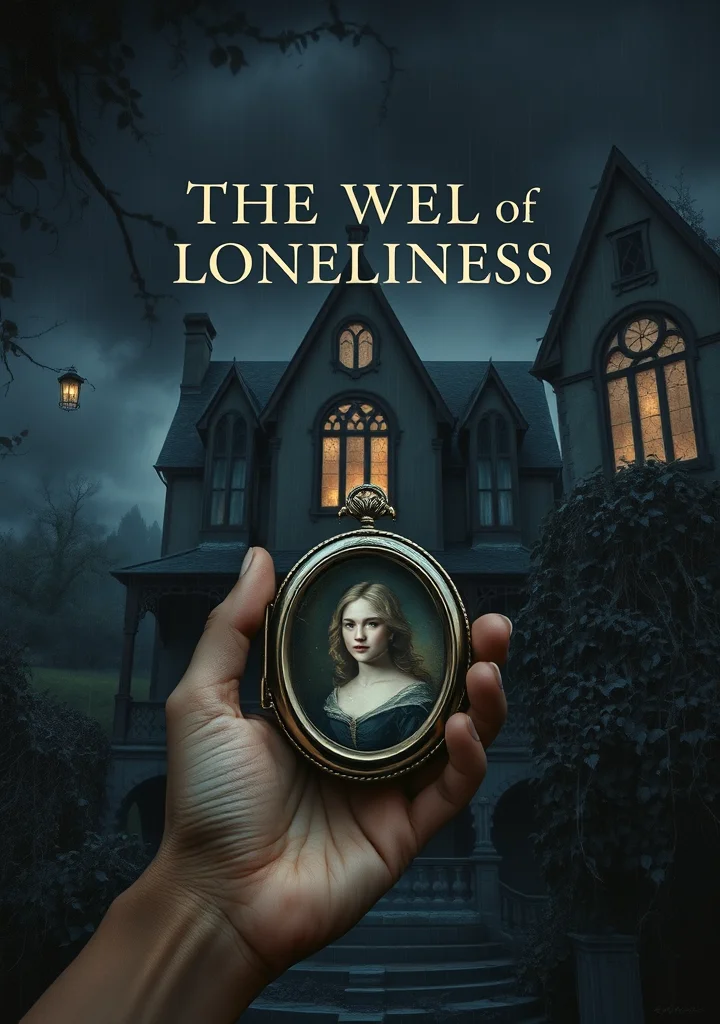
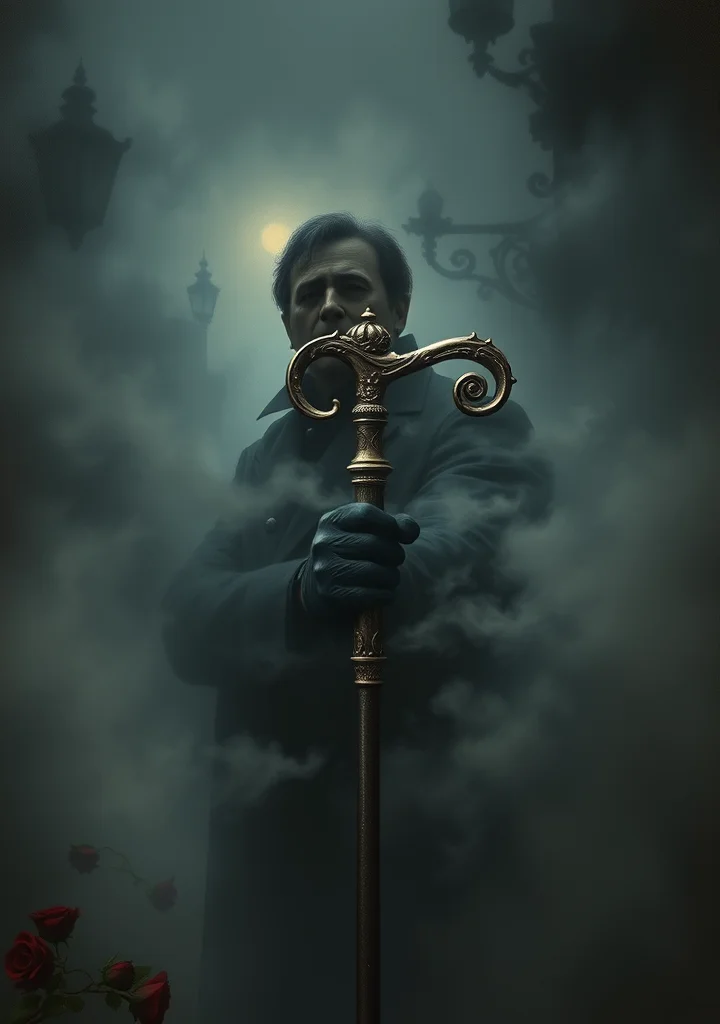
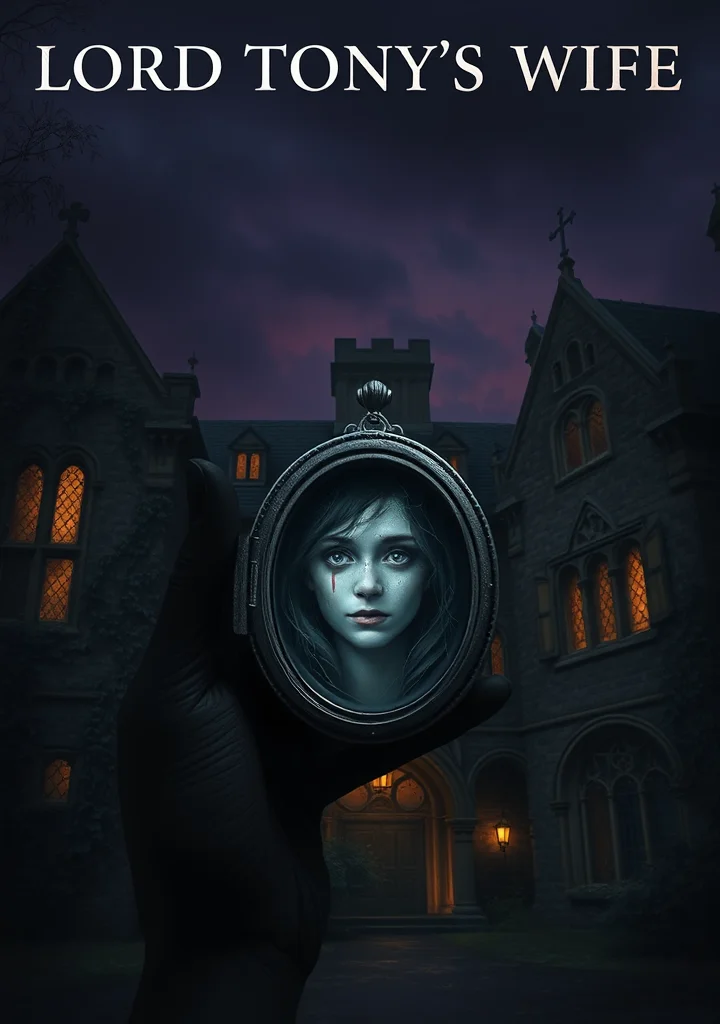
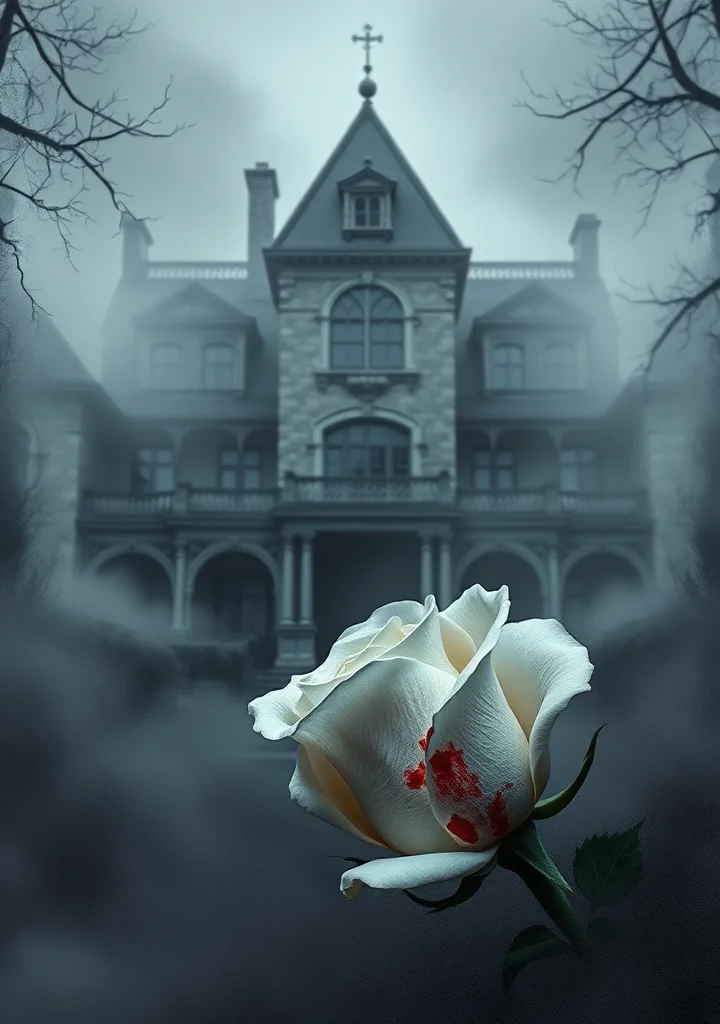
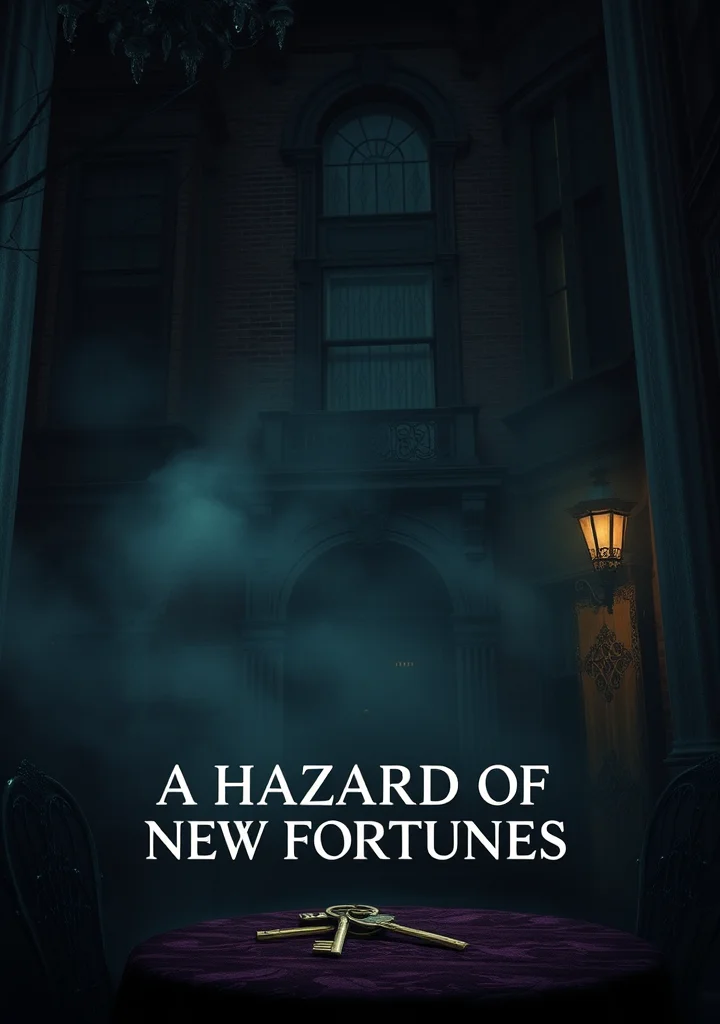
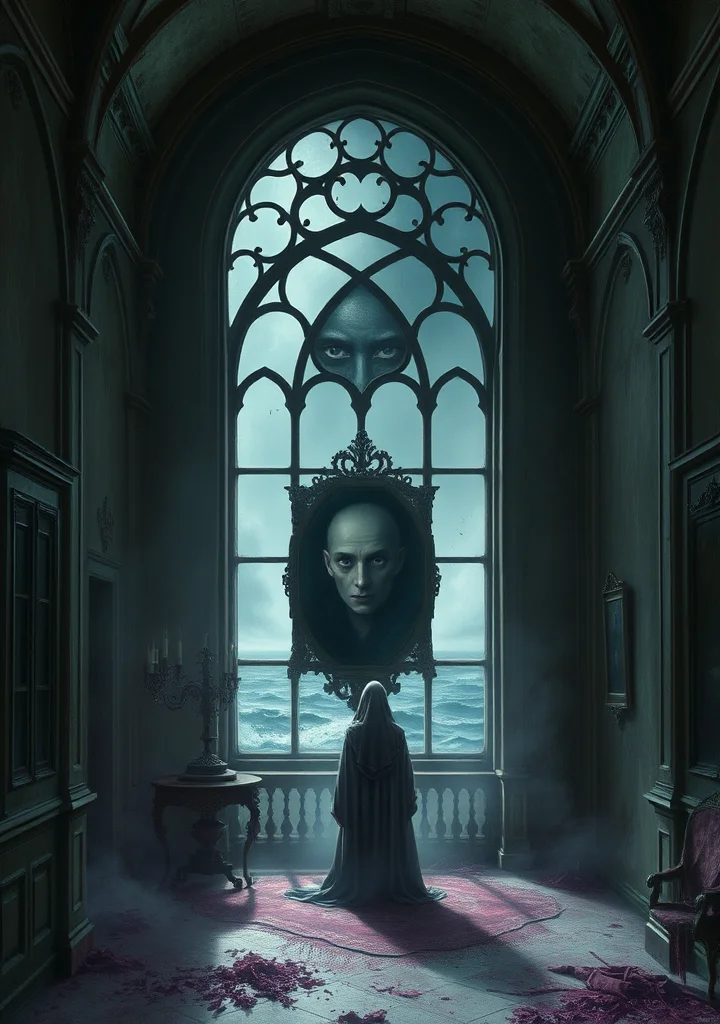
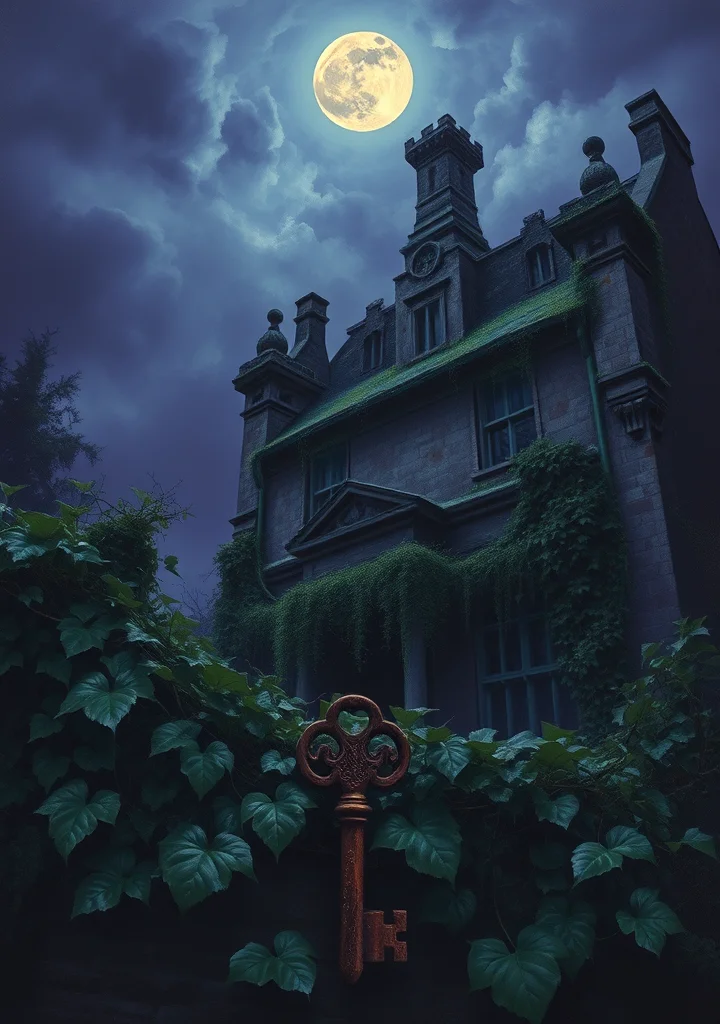
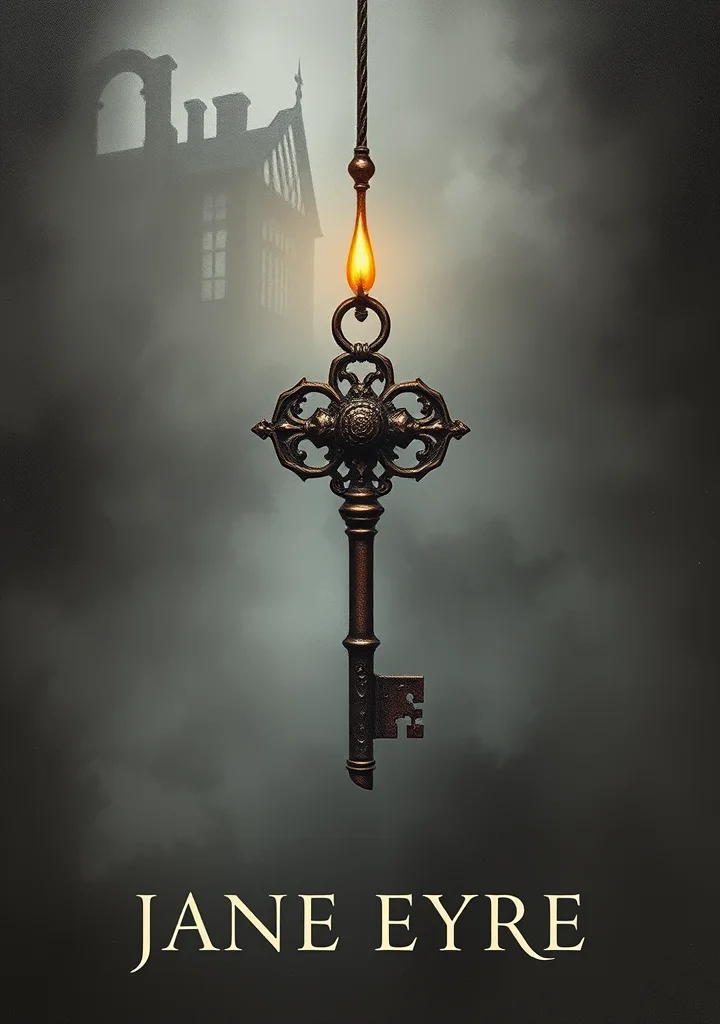
A perpetual twilight clings to the stone of Thornfield Hall, mirroring the shadows that coil within Jane Eyre’s heart. The moor breathes a cold, damp loneliness that seeps into every chamber, mirroring the isolation of a governess adrift in a house haunted by whispers and veiled secrets. Here, the air tastes of decay and repressed longing, thick with the scent of dying embers and the weight of unspoken desires. Each darkened corridor promises a glimpse of the spectral Grace Poole, a figure woven into the very fabric of the house's unease. A chilling wind howls through broken panes, carrying fragments of a past that refuses to stay buried. The narrative unravels like a threadbare tapestry, frayed with the melancholy of a woman yearning for connection in a world steeped in shadow. A relentless sense of foreboding permeates every encounter, every stolen glance, building toward a revelation as stark and unforgiving as the winter landscape surrounding Thornfield. The story isn't merely told, it’s *felt* - a slow suffocation within the confines of a haunted house and an even more haunted soul. It is a darkness that clings to the skin, a coldness that settles in the bone, and a silence that screams with the echoes of a life lived on the precipice of ruin.
Copyright: Public Domain
This license allows anyone to use your story for any purpose, including printing, selling, or adapting it into a film freely.
This license allows anyone to use your story for any purpose, including printing, selling, or adapting it into a film freely.
Chapter List
-
« Jane Eyre »📖 Continue Reading
-
« Preface »
-
« Note to the Third Edition »
-
« Jane Eyre »
-
« I »
-
« II »
-
« III »
-
« IV »
-
« V »
-
« VI »
-
« VII »
-
« VIII »
-
« IX »
-
« X »
-
« XI »
-
« XII »
-
« XIII »
-
« XIV »
-
« XV »
-
« XVI »
-
« XVII »
-
« XVIII »
-
« XIX »
-
« XX »
-
« XXI »
-
« XXII »
-
« XXIII »
-
« XXIV »
-
« XXV »
-
« XXVI »
-
« XXVII »
-
« XXVIII »
-
« XXIX »
-
« XXX »
-
« XXXI »
-
« XXXII »
-
« XXXIII »
-
« XXXIV »
-
« XXXV »
-
« XXXVI »
-
« XXXVII »
-
« XXXVIII »
42
-
« Jane Eyre »
-
« Preface »
-
« Note to the Third Edition »
-
« Jane Eyre »
-
« I »
-
« II »
-
« III »
-
« IV »
-
« V »
-
« VI »
-
« VII »
-
« VIII »
-
« IX »
-
« X »
-
« XI »
-
« XII »
-
« XIII »
-
« XIV »
-
« XV »
-
« XVI »
-
« XVII »
-
« XVIII »
-
« XIX »
-
« XX »
-
« XXI »
-
« XXII »
-
« XXIII »
-
« XXIV »
-
« XXV »
-
« XXVI »
-
« XXVII »
-
« XXVIII »
-
« XXIX »
-
« XXX »
-
« XXXI »
-
« XXXII »
-
« XXXIII »
-
« XXXIV »
-
« XXXV »
-
« XXXVI »
-
« XXXVII »
-
« XXXVIII »
More like this