
Sunshine Sketches of a Little Town
  • 274
  • 0
  • 12
  • Read 274
  • 0
  • Part 12
Completed, First published Mar 02, 2026

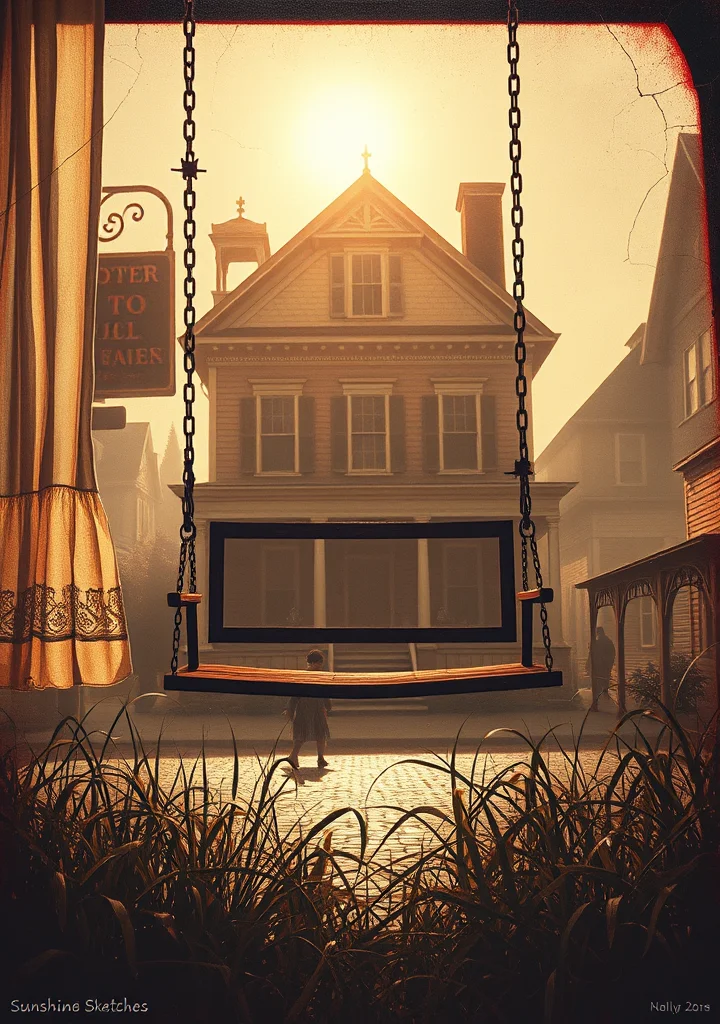
Beneath a deceptively placid veneer of sun-dappled streets and gossiping townsfolk, a creeping unease clings to the very stones of Honeycomb. The laughter echoing from church socials feels brittle, masking a rot of small-town grievances and stifled desires. Old Man Flint’s porch swing creaks not with age, but with the weight of unspoken resentments. Each meticulously observed anecdote, each ‘Sunshine Sketch,’ feels less a portrait of idyllic life and more a glimpse through warped glass at a community slowly fracturing. The air hangs thick with the scent of simmering pettiness, a damp chill seeping from the shadowed doorways of shops long past closing. The narrative itself is a slow erosion, a blurring of lines between jovial observation and something akin to morbid dissection. It’s not the darkness that’s frightening, but the unsettling brightness – the sun shining too fiercely on the cracks in the façade, illuminating the hollow eyes of those trapped within Honeycomb's suffocating embrace. The stillness isn't peace; it’s the held breath before a quiet, inevitable unraveling. The smiles, the polite exchanges, all carry the weight of secrets buried in the flowerbeds, blossoming only in the darkness of the local gossip.
Copyright: Public Domain
This license allows anyone to use your story for any purpose, including printing, selling, or adapting it into a film freely.
Recommended for you
69 Part
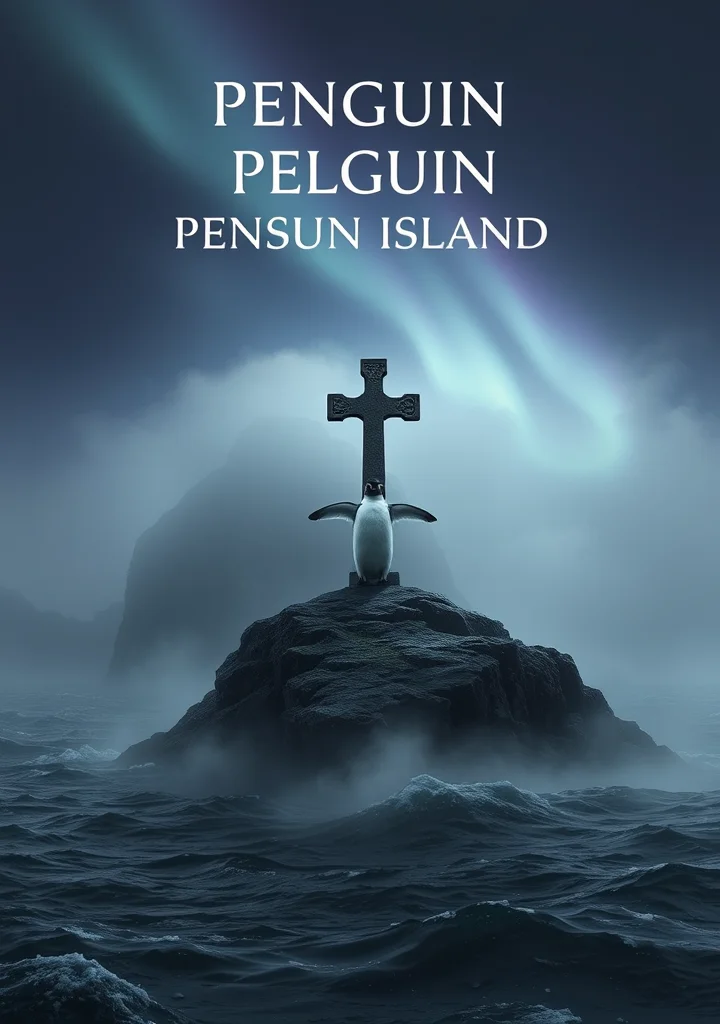
A creeping fog clings to the shores of Penguin Island, a land born not of earth but of the icy breath of the North Atlantic. The narrative drifts like wreckage on a grey sea, charting the history of a colony of penguins who, through a perverse twist of evolution and the dubious guidance of a shipwrecked priest, claim lineage from the ancient Celts. It’s a history soaked in brine and shadowed by the perpetual twilight of the Southern Ocean. The island itself is a crumbling monastery of stone and feather, where the penguin-priests chant in echoing caves, their rituals laced with a melancholic, avian piety. The air hangs heavy with the scent of fish and decay, a constant reminder of the island’s isolation. Each chapter unravels like a barnacle encrusting a forgotten hull, revealing a world where theological debate is punctuated by the screech of gulls and the mournful cry of the wind. A slow, deliberate rot pervades the narrative; the crumbling faith, the decaying structures, the very bodies of the penguins themselves seem destined to dissolve back into the churning, unforgiving sea. There’s a pervasive sense of the absurd, a mocking grandeur that clings to the story like seaweed to a drowned man’s limbs. It’s a gothic fable woven from salt spray, philosophical despair, and the unsettling, uncanny gaze of creatures forever poised between heaven and the icy abyss. The island doesn’t yield to understanding, it *consumes* it, leaving only a chill and the whisper of wings in the perpetual fog.
23 Part
Dust motes dance in the long shadows of plantation houses, even after the master’s reign has crumbled. This is not a tale of polished triumph, but one clawed from the earth with bleeding hands and a spirit forged in the kiln of hardship. A suffocating humidity clings to the narrative, thick with the scent of pine needles and the unspoken grief of generations. Every step forward is measured in loss—loss of kin, of dignity, of the very earth beneath bare feet. The weight of chains, though broken, echoes in the hollows of every achievement. The story breathes with the stifled cries of children sold like livestock, the rasp of a plow dragged across unforgiving soil, and the quiet desperation of a people rebuilding not just homes, but souls. It isn’t a light that illuminates this path, but a flickering ember—a fragile warmth against a backdrop of perpetual twilight. There’s a spectral presence in the classrooms built from scraps, a haunting in the faces of those who learn to read by the dim glow of a borrowed candle. The narrative doesn’t soar; it *rises* – slowly, agonizingly, from the mire of injustice. It’s a landscape etched with the ghosts of promises broken and the thorns of deferred dreams. A creeping unease permeates even the victories, for even in freedom, the shadow of the whip never fully dissipates. This is a story of resurrection, yes, but one born from the grave—a testament to endurance carved in bone and stained with tears.