
-
Read 873
-
0
-
Part 35
Completed, First published Mar 02, 2026
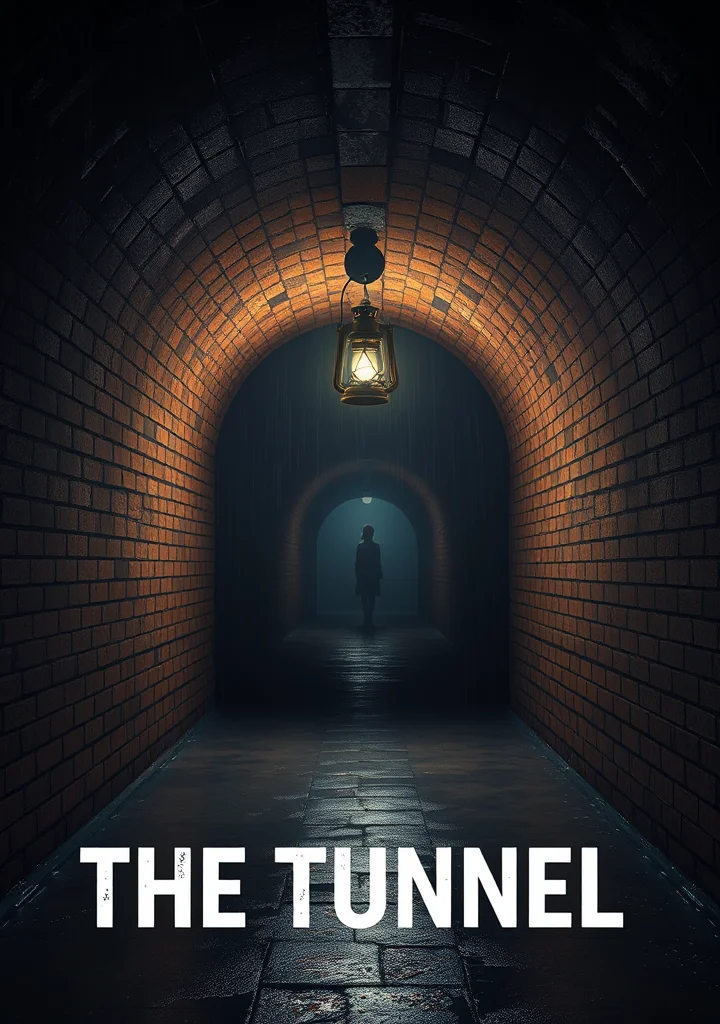
A creeping dampness clings to every page, mirroring the subterranean passage that dominates this fractured narrative. Here, the London streets exhale not into sunlight, but into a labyrinth of echoing brick and shadowed alcoves. The protagonist, adrift in a city both vast and suffocating, finds herself drawn – or perhaps driven – towards a network of tunnels beneath the city’s heart. These aren’t merely physical spaces, but corridors of memory, of unspoken desires, and of a creeping, nameless dread.
The narrative unravels like damp thread, pulling at the edges of a life fractured by loss and yearning. A fractured, internal world is rendered through fragmented perceptions. Every encounter, every overheard fragment of conversation, feels weighted with a melancholic resonance. The air is thick with the scent of coal dust and decay, punctuated by the distant rumble of unseen machinery.
There is a sense of being watched, of being drawn into a conspiracy of shadows, not by villains, but by the very fabric of the city itself. The tunnel is a metaphor, of course—a descent into the subconscious, a descent into a forgotten self. The prose is less about what is seen, and more about what is *felt* – the cold stone against skin, the suffocating weight of the earth above, the gnawing certainty of something lost, irretrievable, and buried deep within the echoing darkness. A claustrophobic, hypnotic descent into the heart of a woman’s unraveling, and a city’s hidden wounds.
Copyright: Public Domain
This license allows anyone to use your story for any purpose, including printing, selling, or adapting it into a film freely.
This license allows anyone to use your story for any purpose, including printing, selling, or adapting it into a film freely.
Recommended for you