
-
Read 285
-
0
-
Part 20
Completed, First published Mar 02, 2026
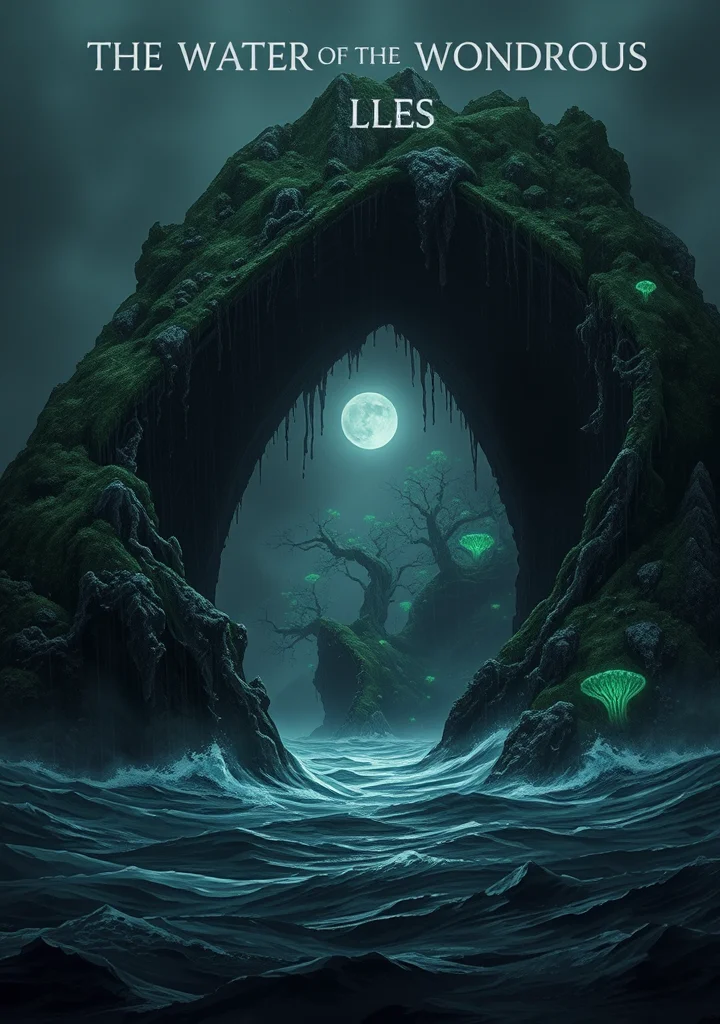
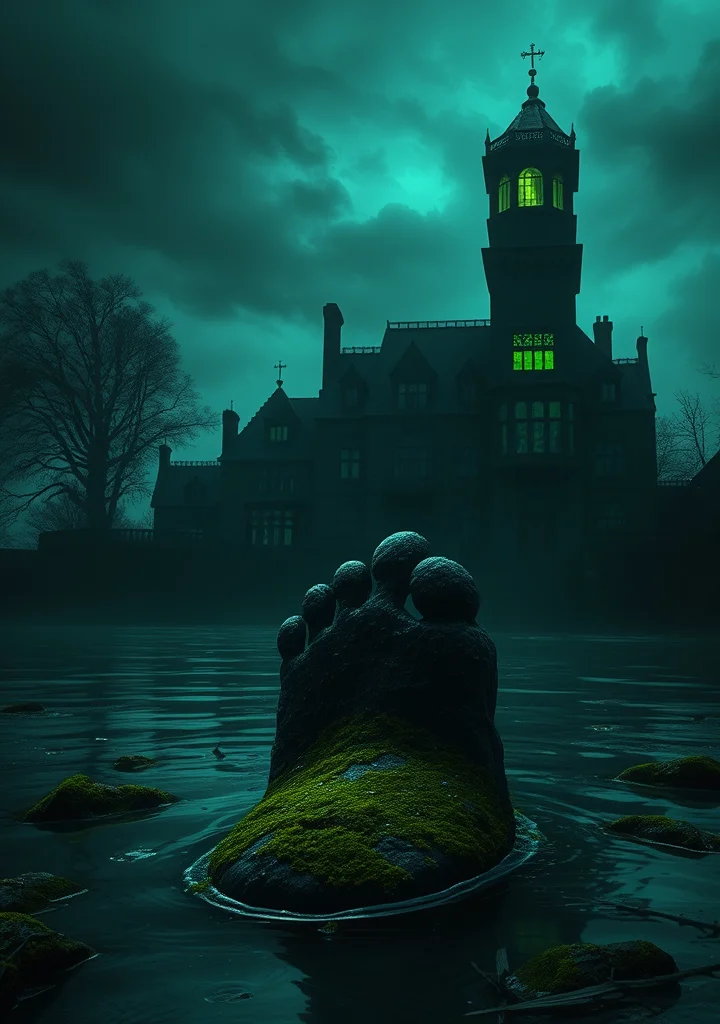
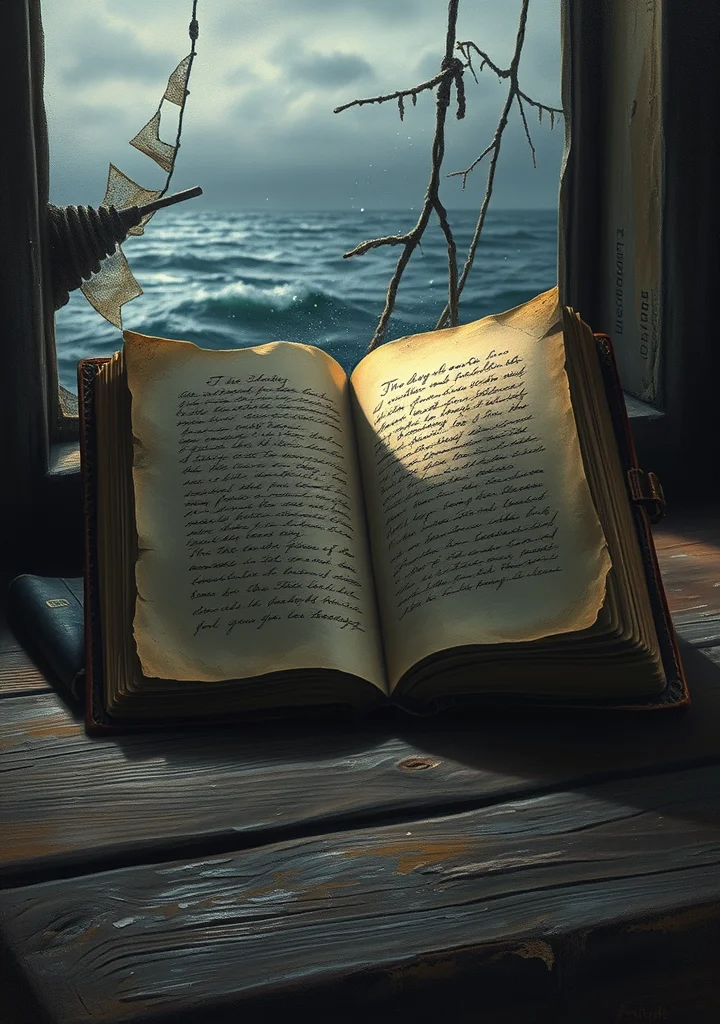
Dust motes dance in the perpetual twilight of Mackenzie’s *Journals*, a collection bound in leather smelling faintly of brine and decay. The narrative unfolds not as a story, but as an unraveling – a slow, deliberate erosion of sanity documented in cramped, spidery script. Each entry is a fragment wrested from the encroaching darkness, detailing the slow, suffocating bloom of dread within a remote coastal manor. The sea itself is a character here, a grey, hungry maw that whispers of forgotten gods and the things they drag from the depths.
The journals detail a descent into obsession with the manor’s previous inhabitants, a lineage plagued by melancholia and shadowed by ritual. Rooms breathe with the weight of past sorrows, their shadows stretching into grotesque shapes that mimic the author’s growing paranoia. The prose is laced with a creeping claustrophobia, mirroring the manor's labyrinthine corridors and the suffocating weight of inherited grief.
There are no grand horrors here, only the exquisite torment of being watched by something unseen, the slow realization that the walls themselves listen. The scent of mildew and rot clings to every page, a tangible residue of despair. The journals are not merely *read*; they are *absorbed*, leaving the reader shivering in the cold, salt-laced air of a forgotten coastline, haunted by the echo of Mackenzie’s fracturing mind. They are a testament to the rot that blossoms not just in wood and stone, but within the very core of the self.
Copyright: Public Domain
This license allows anyone to use your story for any purpose, including printing, selling, or adapting it into a film freely.
This license allows anyone to use your story for any purpose, including printing, selling, or adapting it into a film freely.
Recommended for you