
-
Read 361
-
0
-
Part 14
Completed, First published Mar 02, 2026
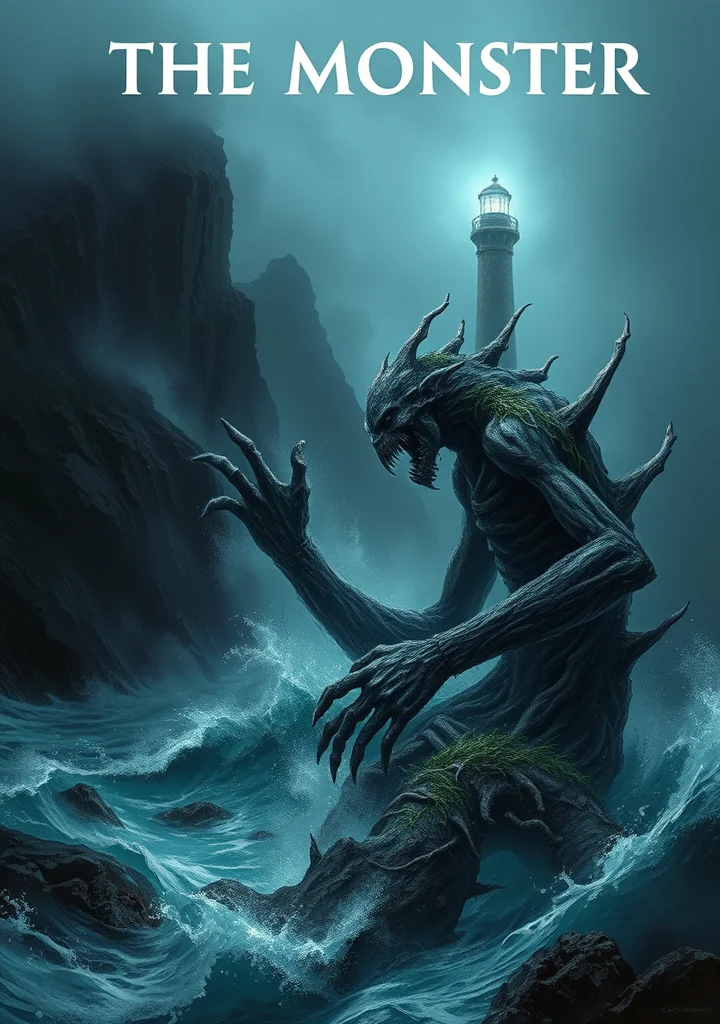
A creeping dread clings to the salt-laced shores of Aethelburg, where the tide drags not only wreckage but whispers of something ancient and monstrous stirring beneath the waves. Edgar Saltus weaves a tale steeped in brine and decay, following Elias Thorne, a lighthouse keeper haunted by visions mirroring the storm-wracked cliffs. The creature—or is it a corruption of man?—emerges from the fog, a grotesque parody of flesh and bone pieced together from the drowned and the damned. Its presence isn’t heralded by screams, but by a suffocating stillness, a cold bloom spreading through the fishing village like a malignant growth. Each chapter unravels a layer of Thorne’s fractured sanity, blurring the lines between reality and nightmare. The salt-crusted cottages become tombs of whispered secrets, the churchyard a breeding ground for ghoulish blooms. Saltus doesn't depict the monster in lurid detail, but instead focuses on the rot that seeps into the heart of Aethelburg, a slow-motion collapse of faith and reason as the creature's influence manifests in the faces of loved ones turned vacant, their eyes reflecting the abyssal darkness. The narrative breathes with the rhythm of the sea, a relentless, suffocating current drawing the reader towards the inevitable drowning in a darkness older than time itself.
Copyright: Public Domain
This license allows anyone to use your story for any purpose, including printing, selling, or adapting it into a film freely.
This license allows anyone to use your story for any purpose, including printing, selling, or adapting it into a film freely.
Recommended for you