
-
Read 339
-
0
-
Part 25
Completed, First published Mar 02, 2026
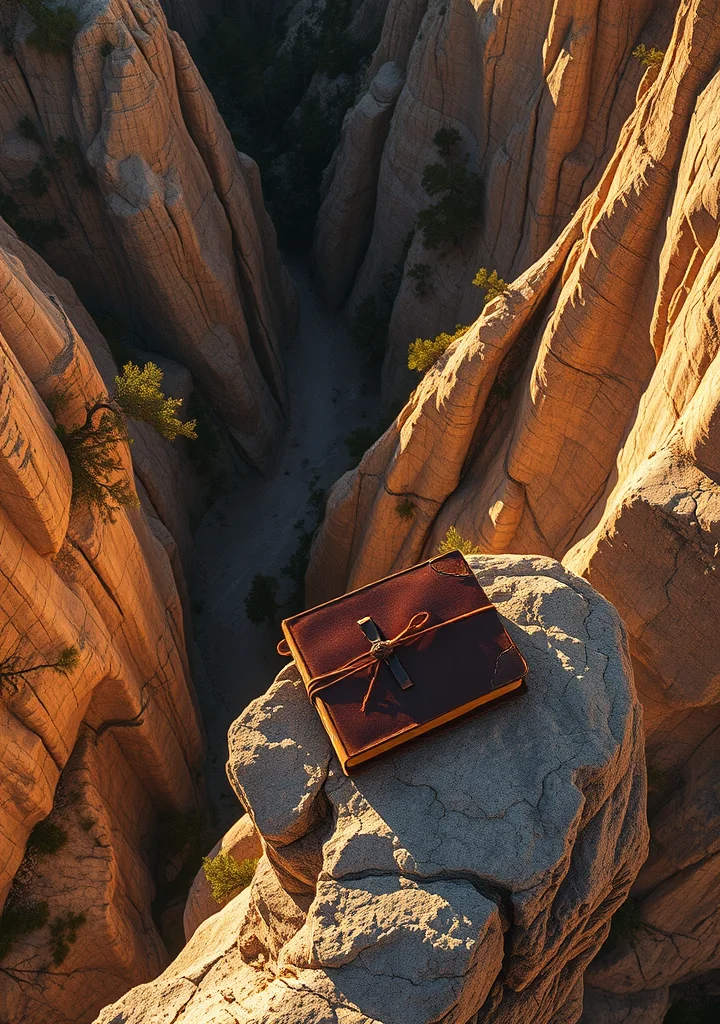
The granite breathes with the scent of pine and decay. A summer’s heat clings to the shadowed canyons, thick as mourning. Though Muir chronicles discovery, a creeping unease permeates the account – not of bears or mountain lions, but of something older, woven into the stone itself. He speaks of glaciers as if they were sleeping beasts, their slow surrender a lament for a lost world. Sunlight fractures into spectral forms amidst the pines, revealing not beauty, but the bones of the landscape. Each wildflower becomes a fragile ghost, blooming briefly against the encroaching silence. The mountains aren’t conquered, they are *witnessed*, and Muir’s reverence feels less like piety and more like a desperate attempt to ward off something vast and indifferent. He documents the flora and fauna with a meticulous hand, yet lingers too long on the hollows, the shadowed passes, and the echo of water carving its path through stone. It is a summer steeped in a solitude that isn’t peaceful, but a haunting recognition of the wilderness's dominion, and the fragile thread of humanity clinging to its edges. The descriptions aren’t of a place *lived* in, but of a place that slowly *claims* the observer, leaving them porous to the cold, ancient heart of the Sierra.
Copyright: Public Domain
This license allows anyone to use your story for any purpose, including printing, selling, or adapting it into a film freely.
This license allows anyone to use your story for any purpose, including printing, selling, or adapting it into a film freely.
Recommended for you