
-
Read 338
-
0
-
Part 19
Completed, First published Mar 02, 2026
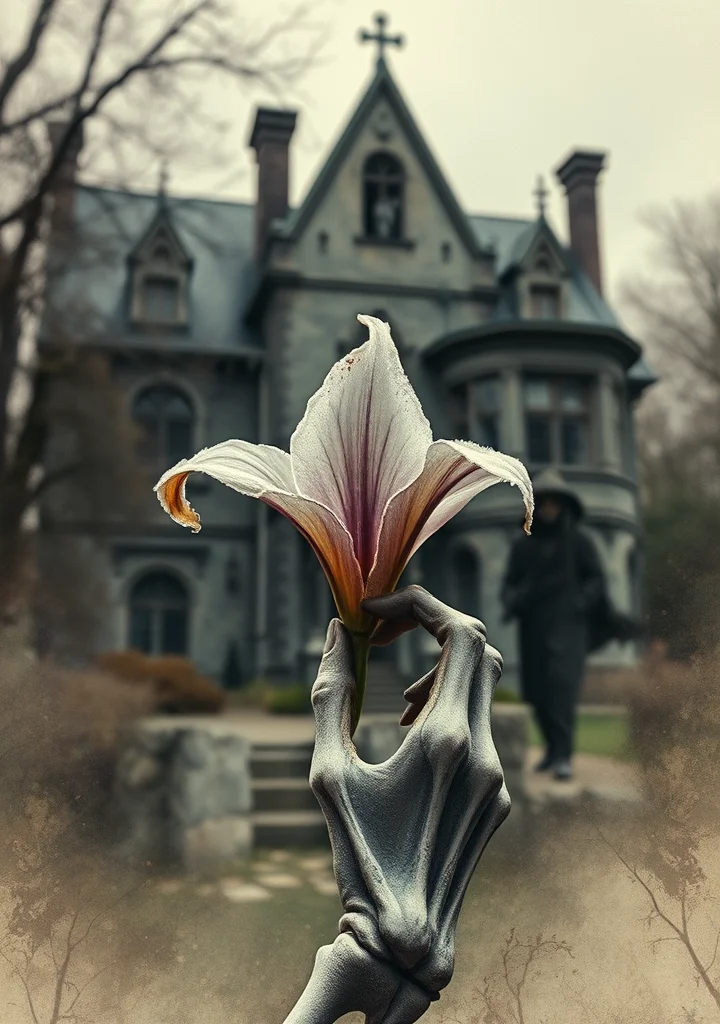
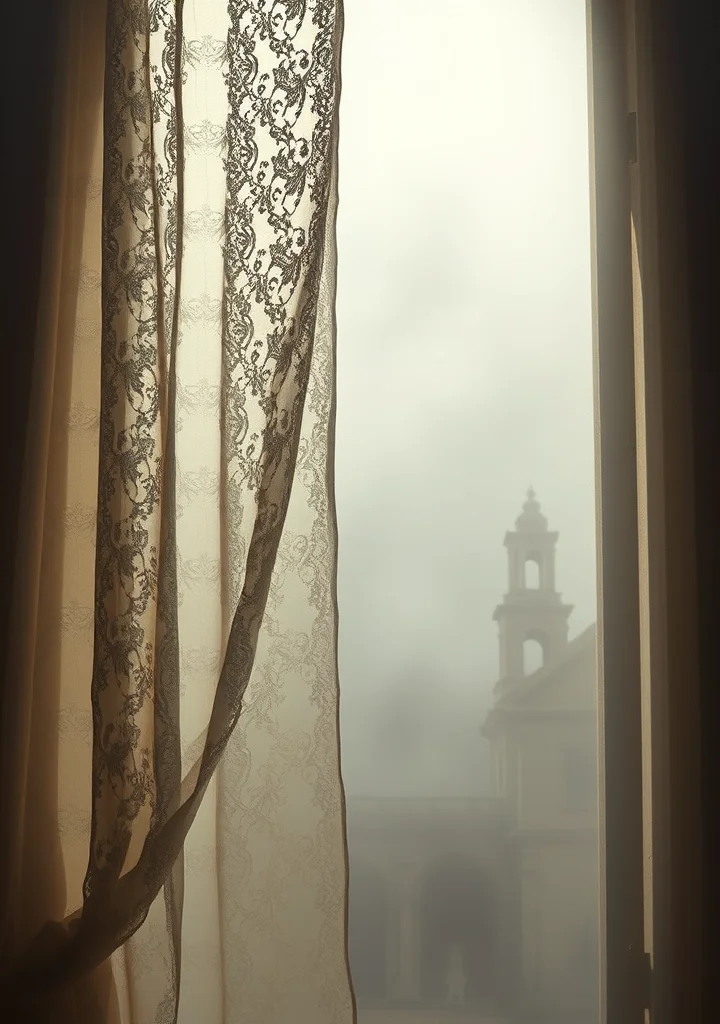
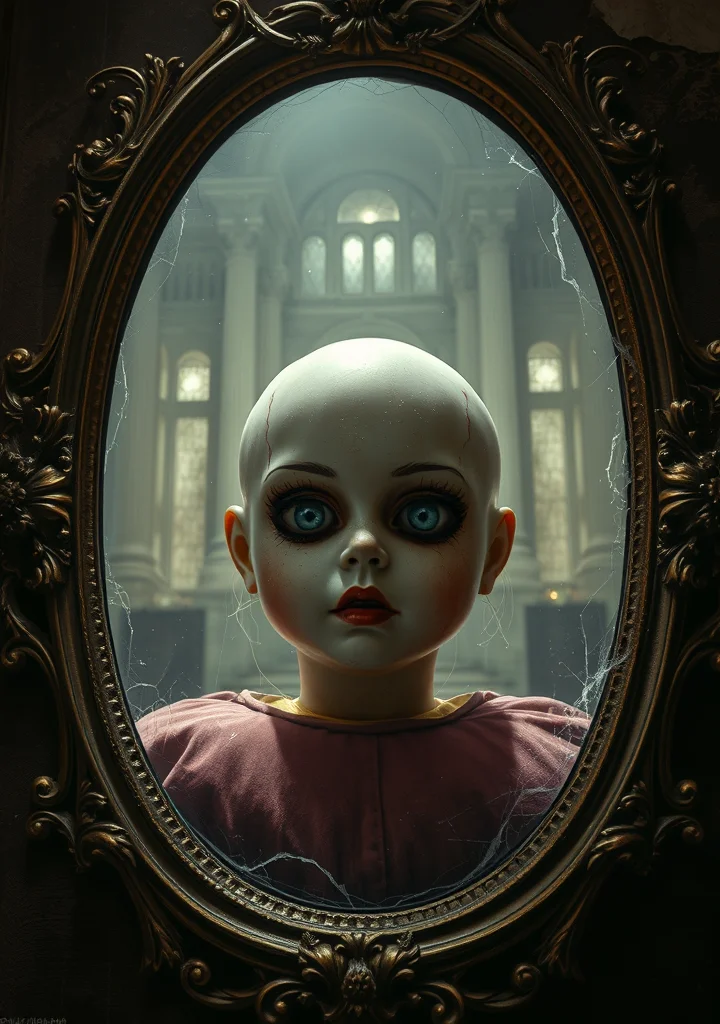
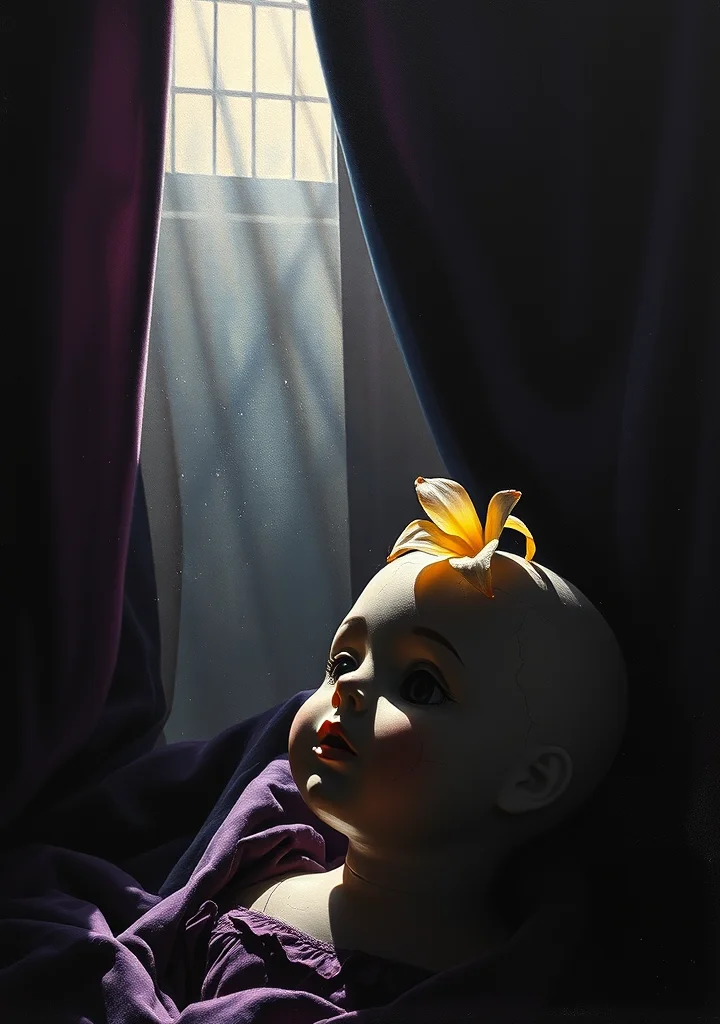
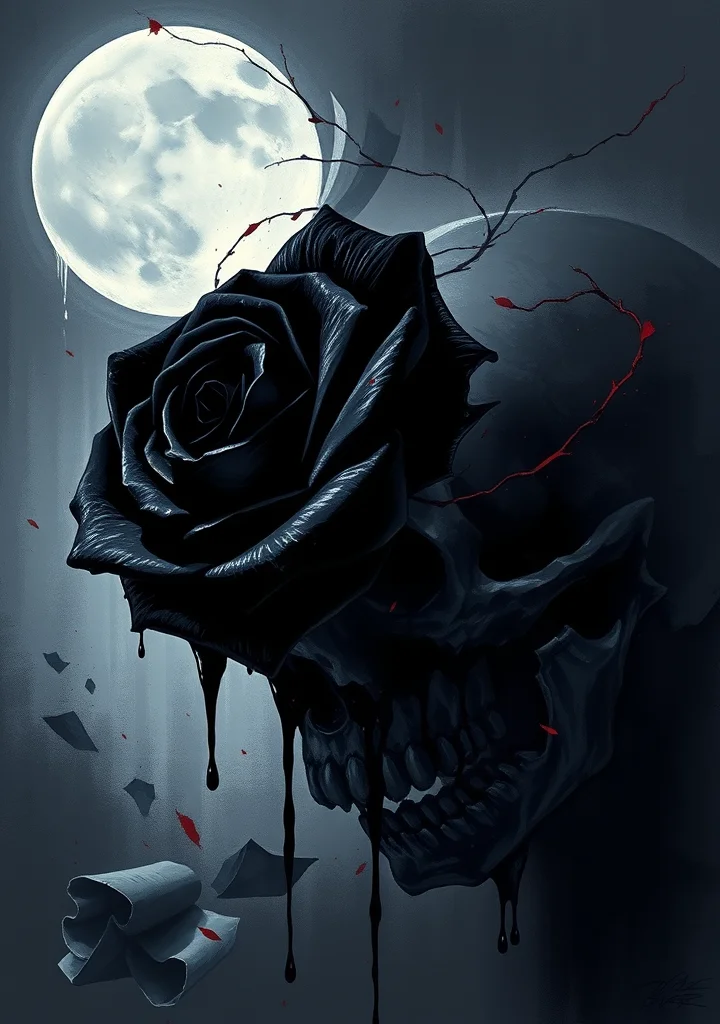
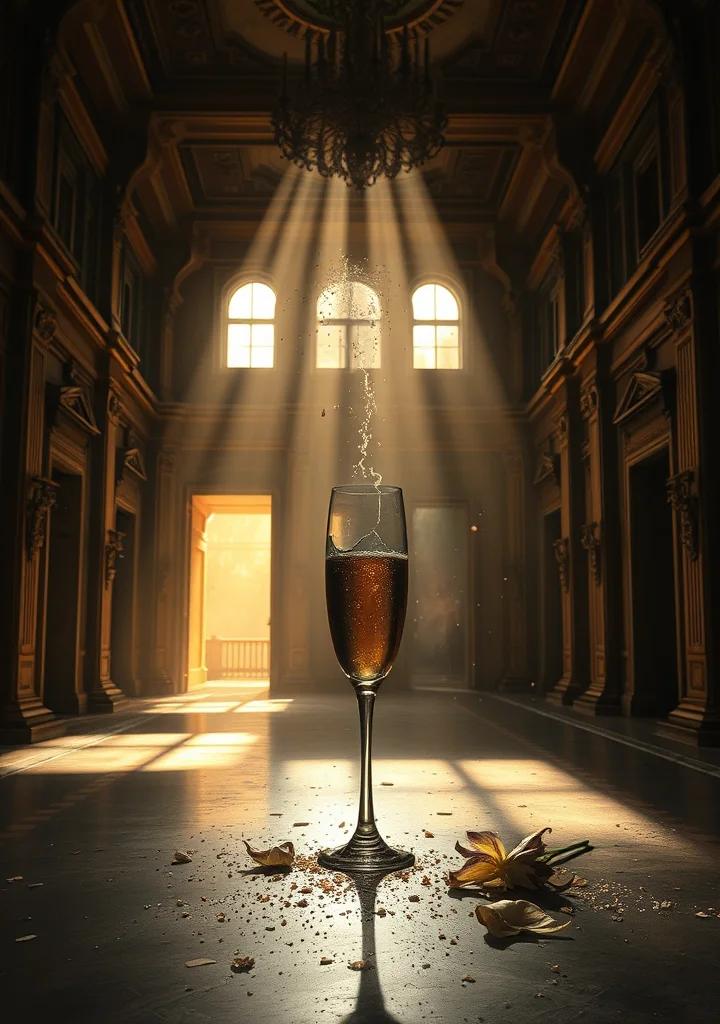
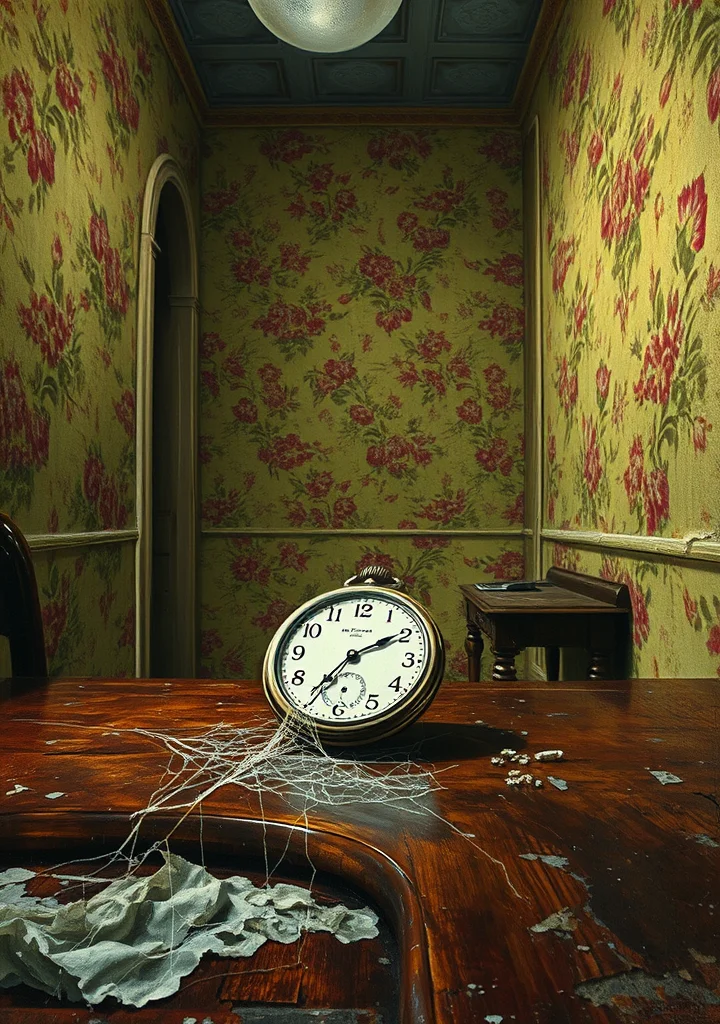
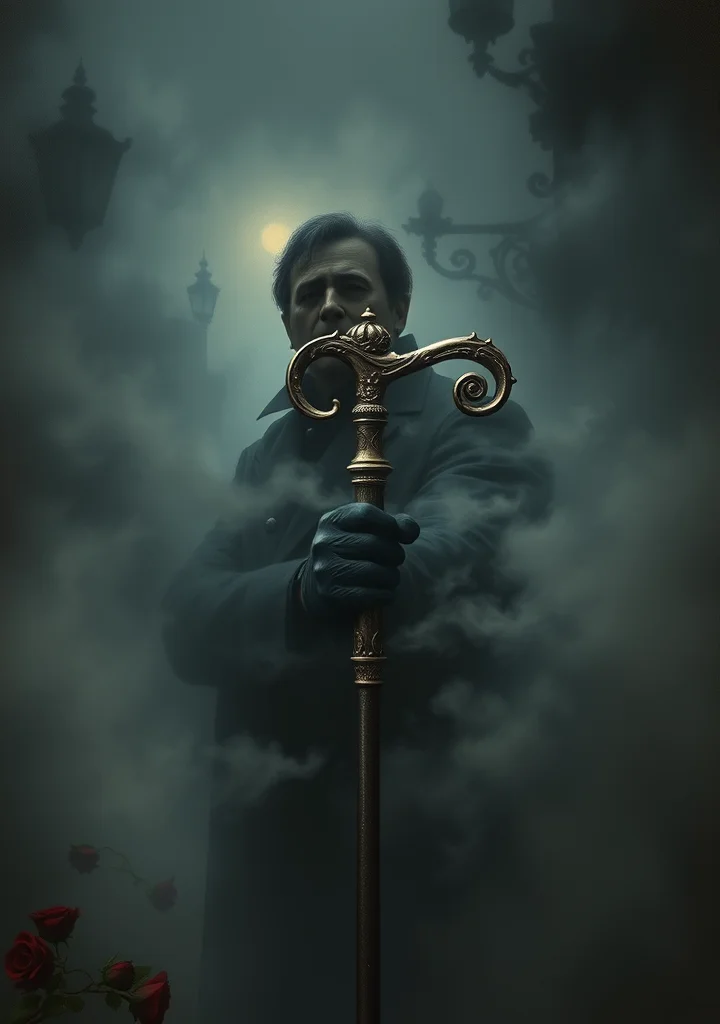
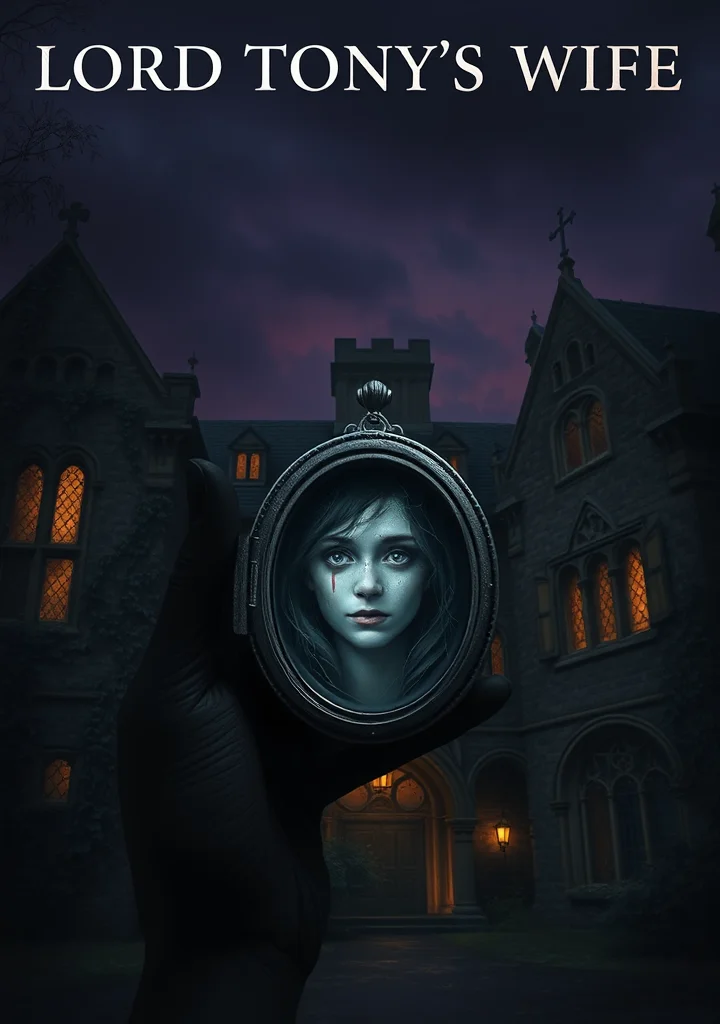
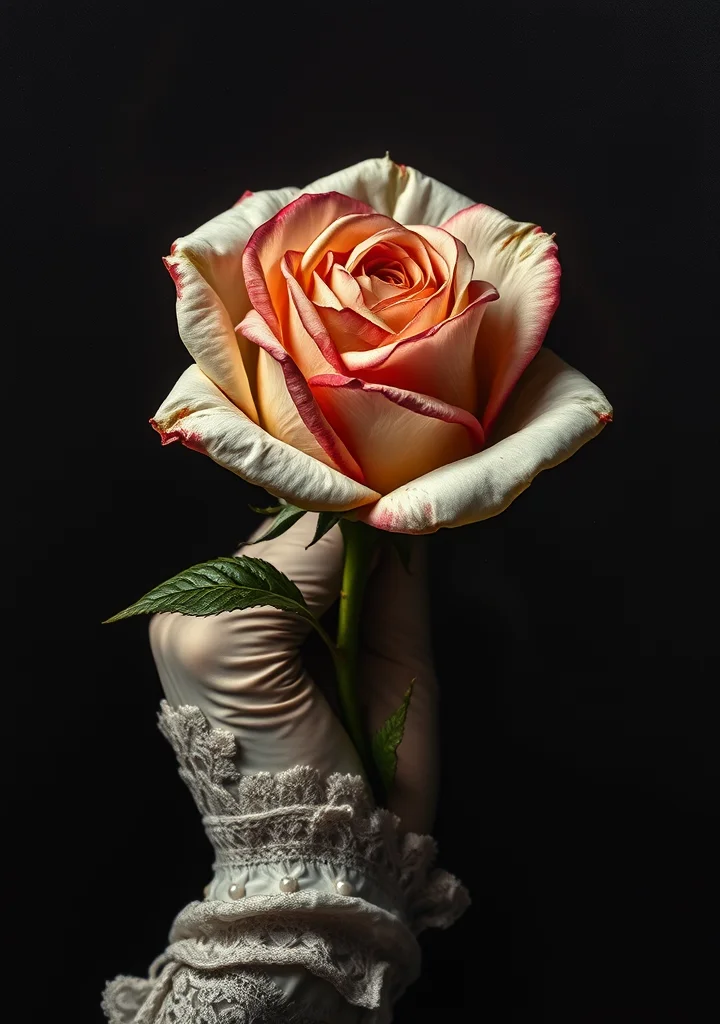
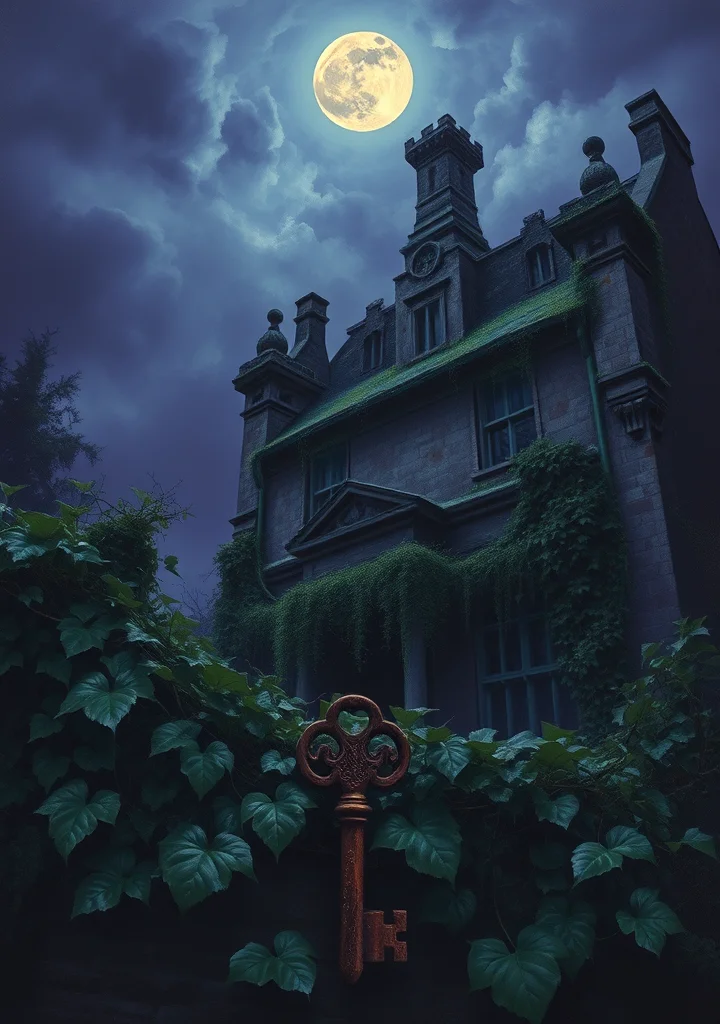
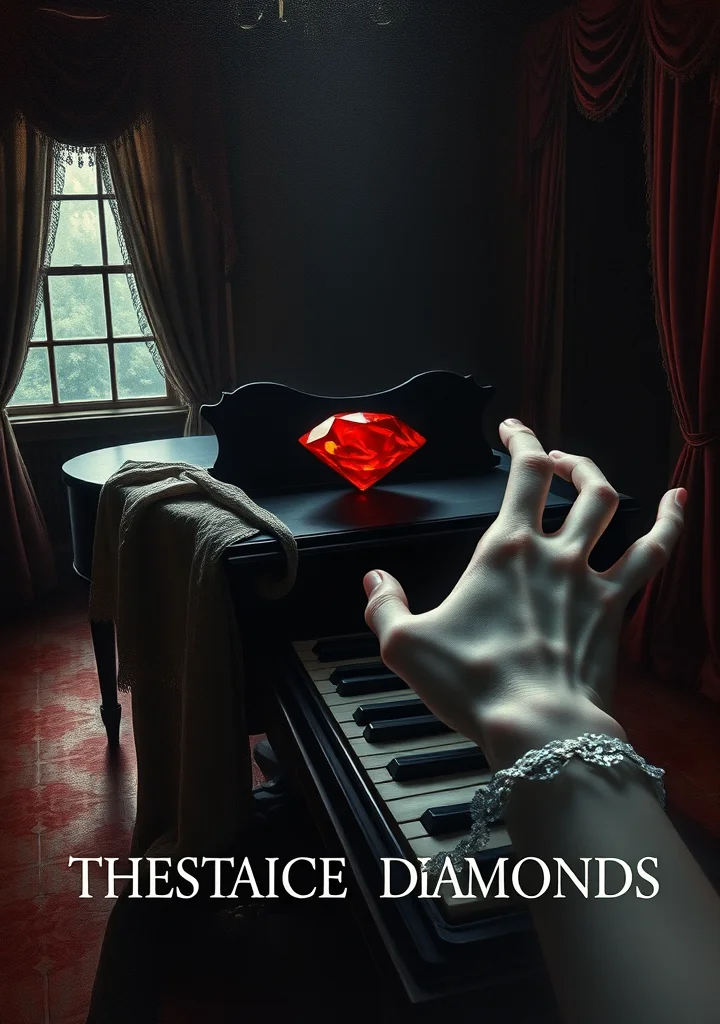
Beneath a veneer of country house pleasantries, a creeping dread insinuates itself into the meticulously ordered world of the Prefect’s uncle, a man haunted by shadows of past indiscretions. The estate, Rookhaven, breathes with a damp chill, the stone walls echoing with whispers of fortunes lost and reputations fractured. A fog, thick as remorse, clings to the manicured lawns, obscuring the intentions of unwelcome guests—men with debts to settle and secrets to bury. Each polished surface reflects not comfort, but a subtle, unnerving distortion of reality, as if the very house conspires to conceal a long-forgotten tragedy. The air is perfumed with decaying roses and the sickly-sweet scent of ambition, a suffocating fragrance that clings to the velvet curtains and the shadowed corners of the library. A sense of confinement, of being watched by unseen eyes, permeates the narrative, tightening around the throat like a noose of polite society. Though laughter rings through the halls, it is brittle, laced with the hollow echo of desperation. Beneath the surface of wit and charm, a darkness festers, threatening to unravel the delicate threads of propriety and expose the monstrous heart beating within Rookhaven’s ancient stones.
Copyright: Public Domain
This license allows anyone to use your story for any purpose, including printing, selling, or adapting it into a film freely.
This license allows anyone to use your story for any purpose, including printing, selling, or adapting it into a film freely.
More like this