
The Winter’s Tale
  • 381
  • 0
  • 23
  • Read 381
  • 0
  • Part 23
Completed, First published Mar 02, 2026

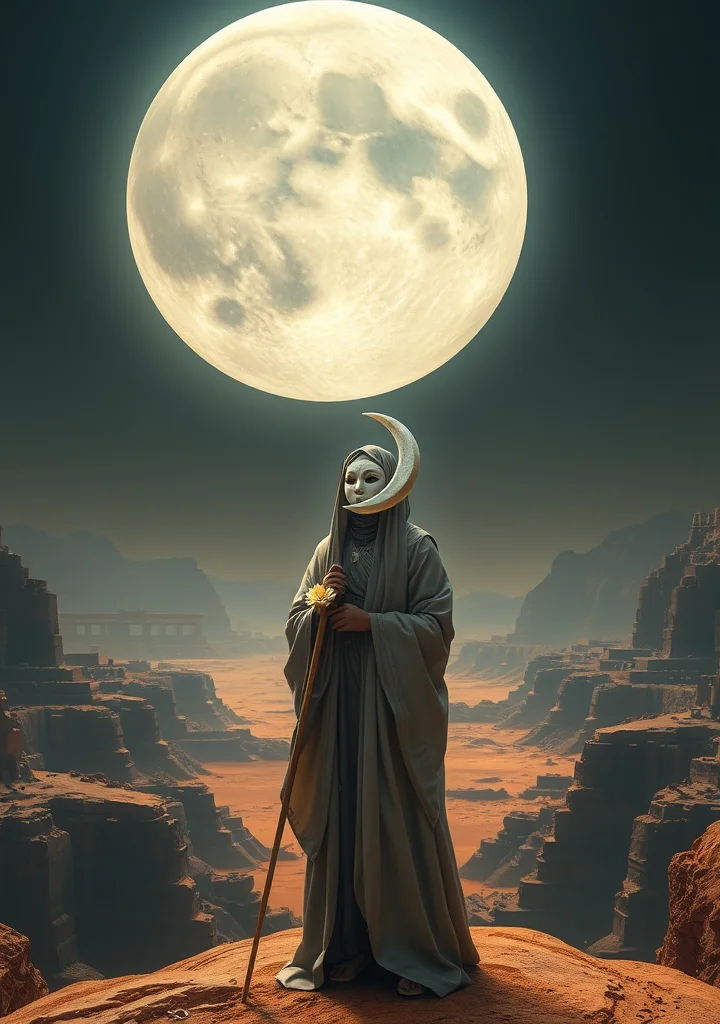
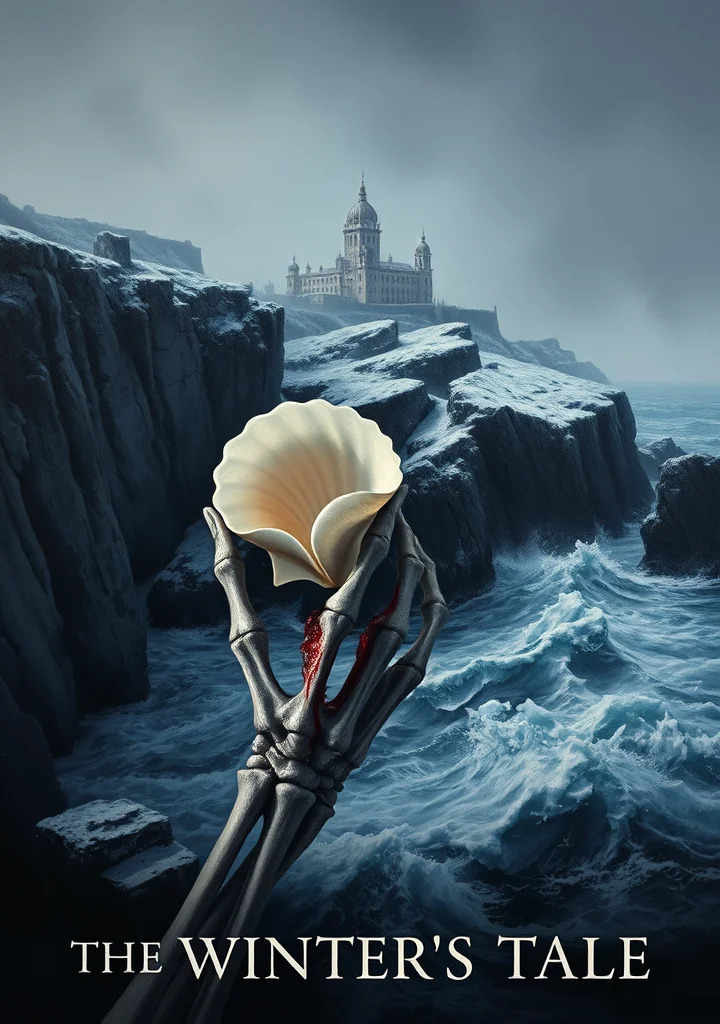
A creeping frost settles on the Sicilian court, mirroring the glacial chill that grips King Leontes’ heart. Jealousy, born of shadow and whispered deceit, blossoms into a venomous suspicion that tears apart a marriage and fractures a kingdom. The narrative exhales with the scent of brine and decay, the palace halls echoing with the hollow resonance of broken trust. A flight across the storm-wracked coast delivers a shepherd to a foundling girl sculpted from grief and the wild, untamed beauty of Bohemia. Years blur into a sun-drenched pastoral, a deceptive warmth that masks the lingering specter of loss. Stone statues, frozen in perpetual mourning, stand sentinel against a landscape haunted by the ghosts of Leontes’ making. The air thickens with regret as the exiled king’s remorse becomes a tangible weight, pressing down on the very earth. The final act breathes with a hesitant hope, a fragile thaw where the stone heart of a king might yield to forgiveness, but the chill of winter lingers – a reminder that even resurrection carries the scent of the grave, and beauty blooms only from the deepest, most enduring wounds. A melancholic grace pervades, a sense of inevitability woven into every shadow and sunbeam.
Copyright: Public Domain
This license allows anyone to use your story for any purpose, including printing, selling, or adapting it into a film freely.
Recommended for you
9 Part
Dust motes dance in the perpetual twilight of lost kingdoms, clinging to the sweat-stained leather of Quatermain’s journal. These aren’t tales of conquest, but of a creeping dread that leeches from the very stone of forgotten cities. The air hangs thick with the scent of decay and ancient rites, a miasma rising from sepulchers carved into living rock. Each sun-bleached bone whispers of a civilization devoured not by armies, but by something *older*. The landscapes themselves are predators – vast, echoing savannas where the horizon shimmers with mirages of phantom tribes and the bleached skulls of men who dared to listen to the desert’s mournful song. Shadows stretch long and hungry, concealing not merely beasts, but the unraveling sanity of those who gaze too deeply into the abyss of Africa’s heart. There’s a rot that clings to Quatermain’s companions – a subtle corruption of the spirit, a yearning for oblivion amidst the gold and ivory. The true horrors aren’t found in the clash of steel, but in the hollow gaze of men possessed by the whispers of the dead, in the sickening realization that the treasures they seek have been bought with pieces of their own souls. This is a journey not to discovery, but to disintegration, a descent into a darkness where the line between hunter and hunted dissolves into the echoing silence of eternity. The weight of the past isn’t merely history here; it’s a suffocating presence, a tombstone carved over the heart of the living world.
17 Part
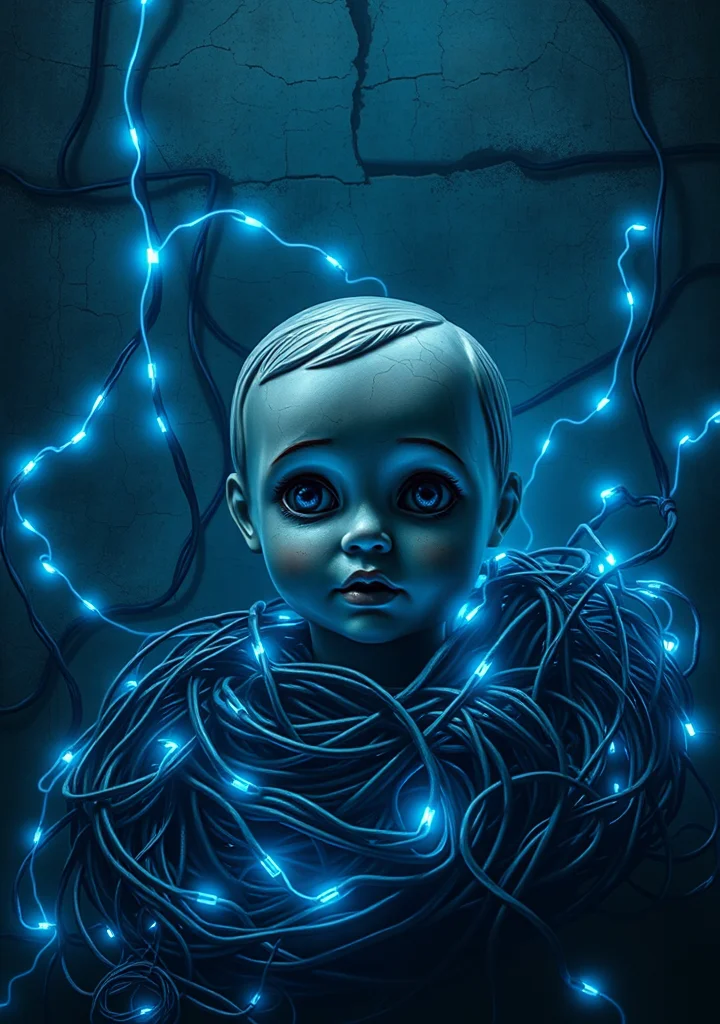
The manor hums with static, a low throb beneath floorboards and within the chipped porcelain dolls that populate its shadowed halls. Old money clings to the Thayer estate like ivy, choking the life from the stone. Our protagonist, a woman named Iris, arrives as the “companion” to the reclusive Mr. Silas Blackwood—a man rumored to have grafted his grief onto the very architecture of the house, weaving it into the electrical wiring that now snakes through every room. But the house *feels*. It breathes with the rhythms of forgotten machines, whispers through copper filaments, and reflects Iris’s own loneliness in the flickering gas lamps. She soon discovers the wiring isn’t merely a means of illumination, but a conduit for Blackwood’s obsessions—a network of surveillance, of control, and of a love so fractured it’s been reassembled into something cold and metallic. The air tastes of ozone and dust. Every creak of the floorboards feels like a watched step. Iris finds herself increasingly drawn to the hidden rooms where Blackwood conducts his experiments—rooms filled with humming devices, spools of wire, and the scent of burnt circuitry. She begins to suspect the manor isn’t protecting Blackwood from the world, but *from* himself, and that Iris, wired into his strange affection, is becoming another layer in his increasingly fragile construction. The further she delves into the house’s heart, the more she realizes this isn’t a love story, but a parasitic entanglement with a man who has made himself a ghost within his own machine.