
Berk's Snow-Kissed Promise
  • 23
  • 0
  • 6
  • Read 23
  • 0
  • Part 6
Completed, First published May 22, 2026

The narrative traces the early days of Hiccup’s leadership as chief of New Berk, a role shadowed by the recent departure of the dragons. These chapters reveal a community preparing for a wedding—Hiccup and Astrid’s—amidst both hopeful anticipation and lingering anxieties. We see the weight of responsibility pressing on Hiccup as he navigates ceremony preparations and receives guidance from his mother. Astrid, too, prepares for the ceremony, receiving cherished gifts from friends and family. The story unfolds with intimate moments of reassurance and the promise of unity as the couple’s wedding draws near.
Copyright: All Rights Reserved
No person is allowed to use, redistribute, or modify your work in any form without your explicit permission.
Recommended for you
73 Part
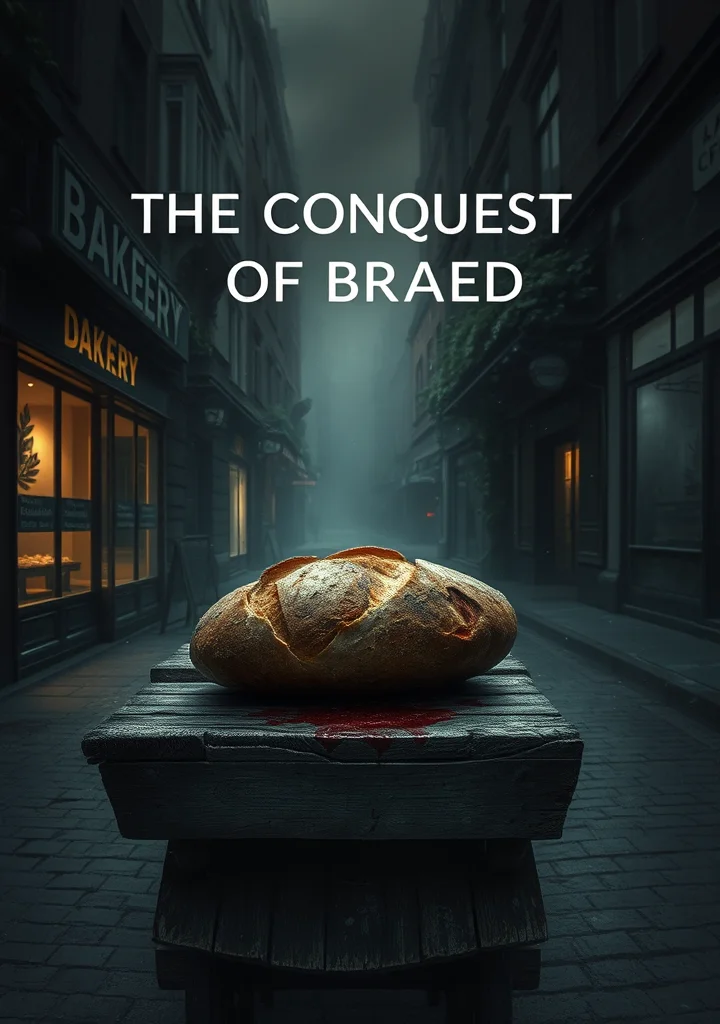
Dust motes dance in the perpetual twilight of abandoned mills and shadowed bakeries. A creeping dread clings to the cobblestones, not of starvation’s gnaw, but of a cold, methodical dismantling of habit. This is not a tale of revolution’s fire, but of its slow, fungal growth within the bones of a dying world. Kropotkin’s vision isn’t one of barricades and blood, but of a silent, relentless erosion of ownership, a reclamation not through violence, but through the ghostly presence of communal need. The narrative exhales a peculiar stillness, like a mausoleum filled with the scent of rising dough and the whispers of forgotten hands. Each chapter unfolds as a spectral blueprint of a possible future, sketched in the dim light of necessity. It’s a world where the boundaries between labour and leisure dissolve into a perpetual, aching grey, where the very act of sharing becomes a haunting ritual. There's a chilling beauty in the prose, a meticulous accounting of resources that feels less like instruction and more like an incantation. The atmosphere is one of damp earth, the metallic tang of tools left to rust, and the unnerving quietude of fields yielding not to a lord, but to the communal breath of those who understand the earth’s yielding is not conquest, but communion. The book doesn’t promise liberation, it presents a slow, unsettling haunting of the old order, a creeping tendril of possibility that leaves one wondering if the ghosts of hunger have finally found their bread.