
Blocked Hearts
  • 21
  • 0
  • 6
  • Read 21
  • 0
  • Part 6
Completed, First published May 18, 2026

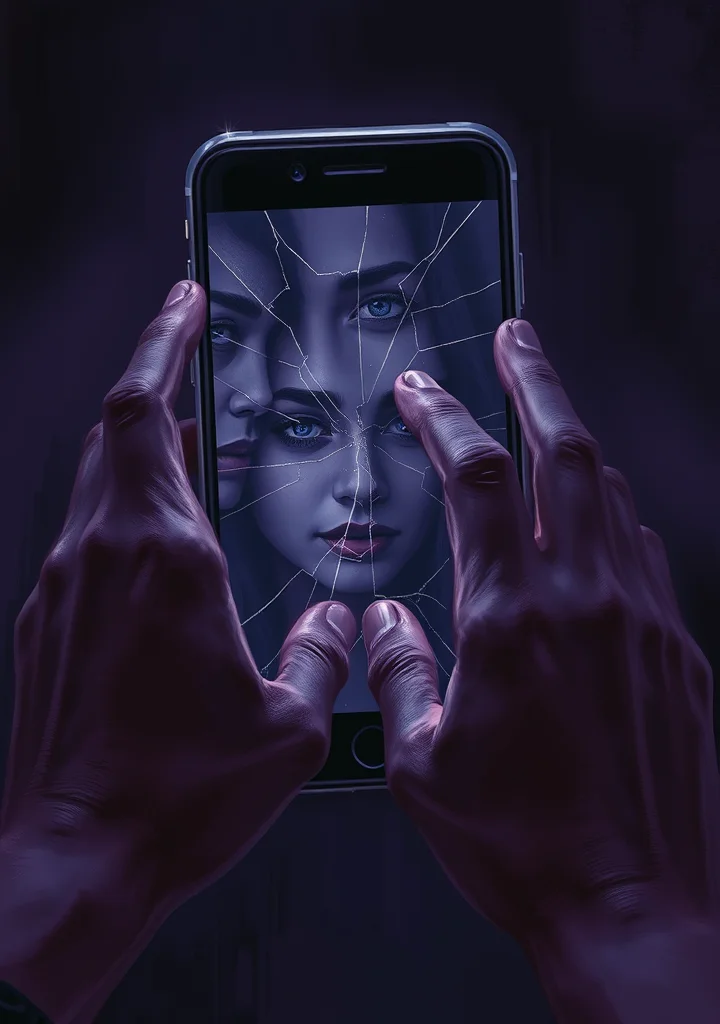
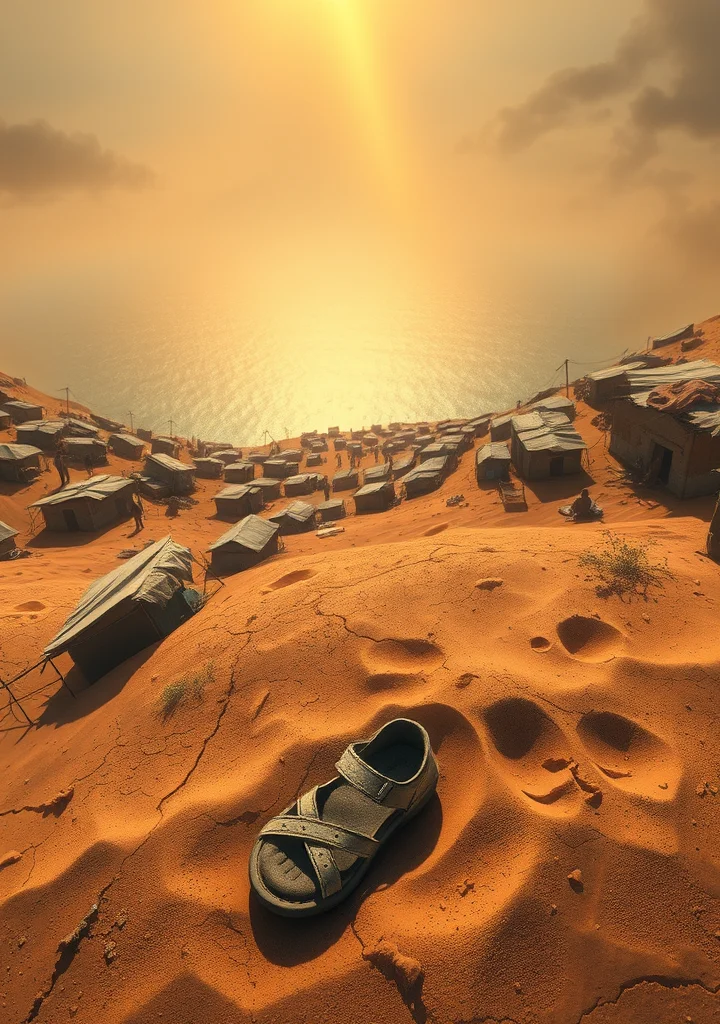
This novel traces the raw edges of heartbreak and the volatile currents of modern relationships. The narrative opens onto a world where emotional turmoil plays out across social media feeds, as characters grapple with blocked connections and escalating online conflicts. One chapter reveals a desperate attempt to salvage a digital confession, while another depicts a playful rivalry quickly spiraling into something more serious. Through anguished confessions and supportive counsel, the story explores the longing for lost love and the courage needed to seek forgiveness. These chapters hint at a complex web of romantic desire and regret.
Copyright: All Rights Reserved
No person is allowed to use, redistribute, or modify your work in any form without your explicit permission.
Recommended for you

297 Part
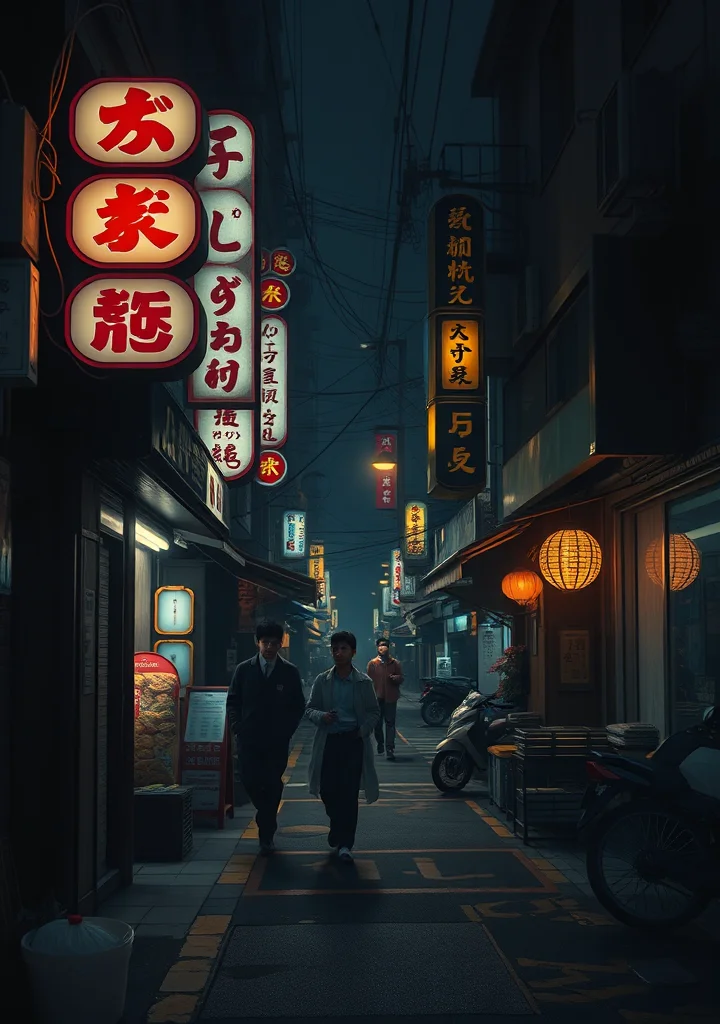
A descent into shadowed valleys where morality itself is a crumbling edifice. The air hangs thick with the scent of decay, not of flesh, but of belief. This is a landscape carved from the obsidian of doubt, where the sun bleeds into a perpetual twilight and the echoes of forgotten gods whisper through fractured minds. It isn’t a story of villains to be vanquished, but of masks discarded, revealing the cold, magnificent indifference beneath. Each chapter unfolds like a slow unraveling—a descent not into sin, but beyond its very definition. The narrative clings to the jagged edges of reason, tracing the contours of a will to power that consumes not with fire, but with a glacial, irresistible logic. Shadows stretch from the ruins of old values, twisting into monstrous forms born of ambition and ressentiment. There are no heroes here, only climbers scaling the precipice of their own self-overcoming, their hands stained with the dust of shattered idols. The silence between the lines is a vast, echoing chasm—a void mirroring the abyss within each self-proclaimed ‘good’ man. It’s a chronicle of becoming, of forging a new dawn from the embers of a dying world, a world where the only truth is the will to create, to destroy, to *become* beyond the shackles of pity and remorse. The landscape is one of perpetual internal warfare, where the battlefield is the self, and the stakes are nothing less than the remaking of existence itself.
17 Part
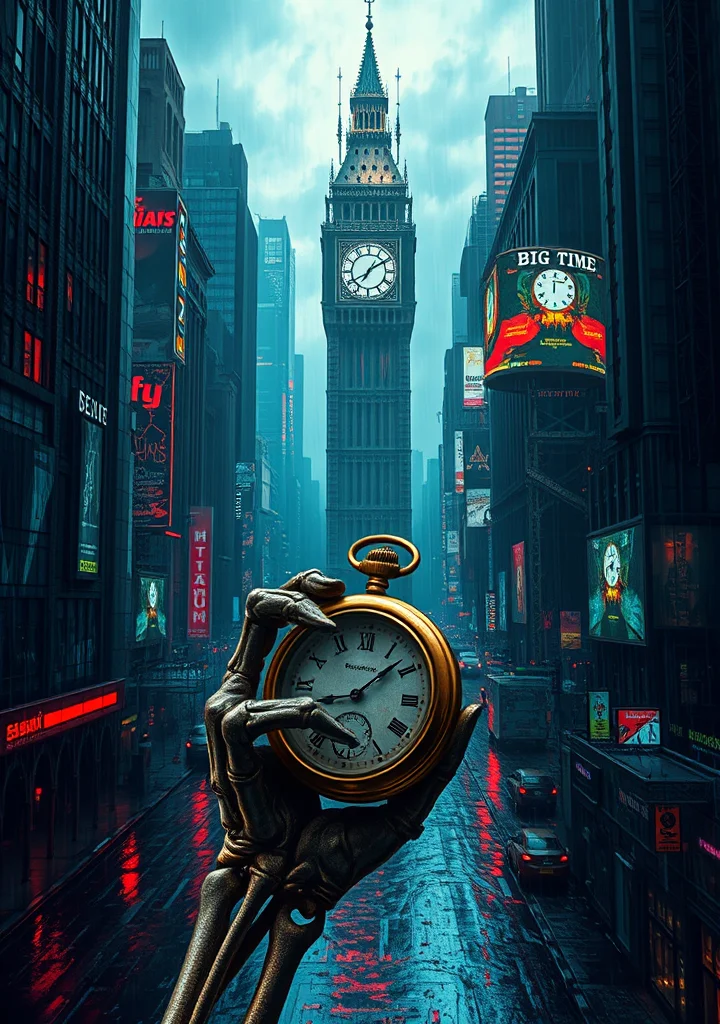
The crumbling grandeur of Old Chicago bleeds into the shadowed alleys where ghosts of ambition and regret cling to brick and steel. Leiber’s Big Time isn’t a future of chrome and efficiency, but a slow rot of decay masking a desperate, fractured empire. The air hangs thick with the metallic tang of ozone and the phantom scent of long-dead gods. Every shadowed doorway promises a bargain struck with entities older than humanity, deals paid for in stolen years and fractured sanity. This isn't about conquest, but about scavenging for scraps of power in a landscape where the lines between reality and illusion blur with each passing hour. The city itself is a wound, pulsing with the fever dreams of those who clawed their way to the top, only to find the view from the penthouse a desolate vista of echoing emptiness. The narrative unfolds in a twilight of collapsing timelines and borrowed lives, where identities are traded like trinkets and the cost of immortality is measured in lost souls. The narrative breathes with a suffocating claustrophobia, the weight of the city pressing down, threatening to swallow its inhabitants whole. It’s a world where every victory is tainted by loss, every alliance forged in treachery, and the only certainty is the creeping dread of something ancient and hungry stirring in the ruins. The shadows don’t just hide monsters; they *are* the monsters, woven into the very fabric of this decaying, timeless metropolis.
59 Part
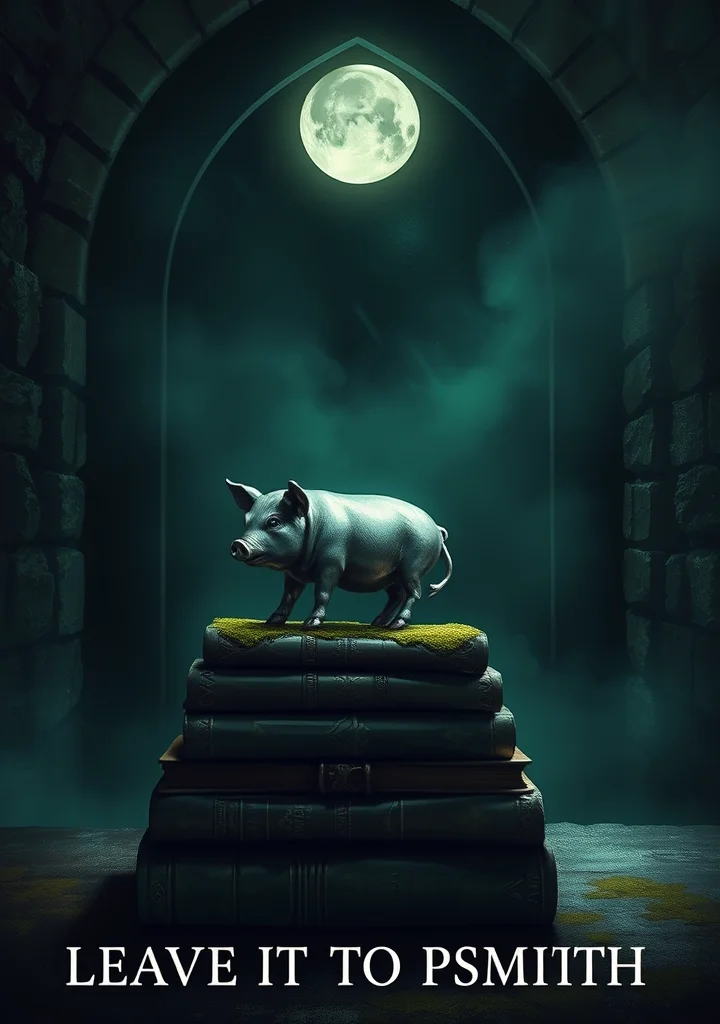
A creeping fog clings to the ancestral halls of Blandings Castle, not of mist, but of expectation – expectation of scandal, of clandestine engagements, of fortunes lost and won on the whims of porcine deities. The air hangs thick with the scent of prize-winning swine, damp earth, and the simmering discontent of a household teetering on the brink of absurdity. This is a world where shadows stretch long and lean, cast by the imposing figures of Galahad Payn, Lord Blandings, and his perpetually exasperated secretary, Beach. Within this suffocating atmosphere of rural decay, a phantom of indolence drifts: Psmith, a gentleman of exquisite apathy, whose arrival unravels the threads of propriety with a languid smile. He is an observer, a catalyst, a master of the subtly disruptive. His influence seeps into the castle's very stones, stirring up the dust of forgotten grievances and the embers of reckless ambition. The narrative unfolds not as a straightforward progression, but as a slow unraveling – a tapestry of whispered plots, stolen glances, and the unnerving stillness of long afternoons. Every room breathes with the weight of inherited secrets, every garden path conceals a hidden tryst. A sense of looming, mischievous chaos pervades, threatening to engulf the rigid order of Blandings in a tide of good-natured, utterly ruinous delight. The very estate feels haunted by the possibility of a perfectly executed, exquisitely pointless rebellion. It’s a darkness lit by the wry, cynical brilliance of Psmith’s knowing gaze.